7 Signs Your Sump Pump Needs Repair
Sump pump repair costs $200 to $1,000 on average, with pedestal pump repairs generally running $100 to $500 and submersible units costing more depending on the part that fails. Most sump pumps last 7 to 10 years, and catching a problem early is usually the difference between a $200 repair and a flooded basement.
Homeowners in Fairfield County and Westchester County rely on sump pumps heavily during spring thaw and heavy summer storms. In Danbury and New Milford, older basements with higher water tables put extra strain on pumps that are already near the end of their service life. In Ridgefield and Wilton, homes with finished basements have the most to lose when a pump fails quietly.
If your sump pump is showing any of the signs below, All State Plumbing Pros can inspect it and tell you honestly whether it needs a repair or a replacement. Our residential plumbing team handles sump pump repair across Danbury, New Milford, Ridgefield, Wilton, and Bethel.
1. The Pump Runs Constantly
A sump pump that never shuts off, even when the sump pit isn’t full, usually means the float switch is stuck. The float switch tells the pump when water has reached a level that needs pumping out, and when it sticks in the “on” position, the pump runs nonstop, wearing down the motor far faster than normal use would. This is one of the most common sump pump problems and often one of the cheapest to fix if caught early.
2. It Makes Unusual Noises
Grinding, rattling, or banging sounds during operation point to a worn-out motor, a damaged impeller, or debris caught inside the pump housing. A healthy sump pump runs with a steady hum. Strange noises are an early warning sign that something inside the unit is failing mechanically, and ignoring them typically leads to a full motor failure rather than a simple part swap.
3. You See Visible Rust
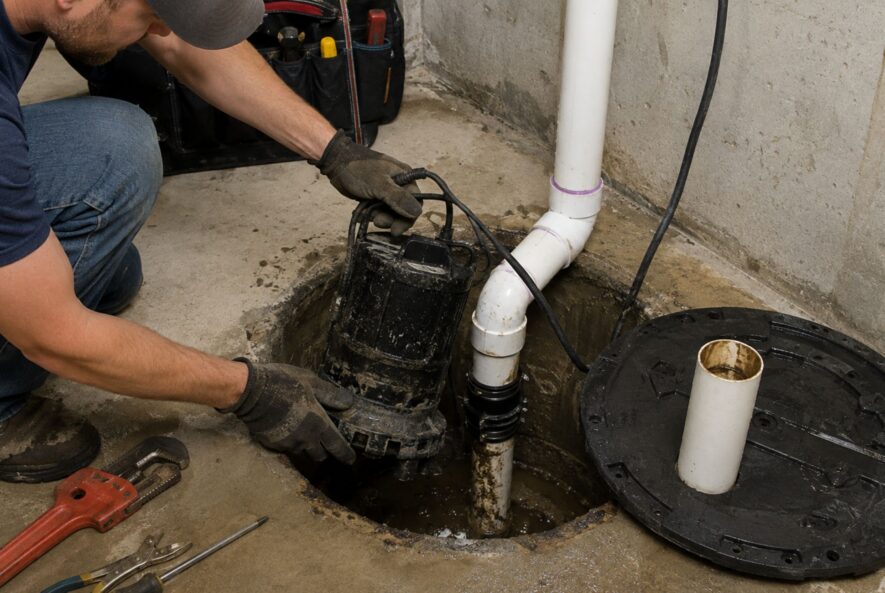
Rust on the pump housing, the discharge pipe, or the check valve signals corrosion that’s likely affecting internal components too, not just the surface. Older sump pumps, particularly those nearing the 7 to 10 year mark, are the most common candidates for this kind of wear. Visible rust alone doesn’t always mean immediate failure, but it’s a sign to schedule a sump pump inspection rather than wait.
4. The Discharge Pipe or Line Is Clogged
A clogged discharge pipe prevents the pump from actually discharging water away from your foundation, even if the motor itself is working fine. Debris, sediment, or a frozen discharge line in winter are the usual culprits. If your pump runs and sounds normal but water keeps rising in the sump pit, check the discharge line before assuming the pump itself has failed.
5. It Cycles On and Off Too Frequently
A sump pump that switches on and off in rapid, short bursts, rather than running a normal cycle, often points to an undersized pump, a failing check valve, or a float switch positioned too close to the pump’s on/off trigger point. Frequent cycling puts more wear on the motor per gallon pumped than a properly functioning system, shortening the pump’s overall lifespan.
6. It Fails to Activate During Heavy Rain or a Power Outage
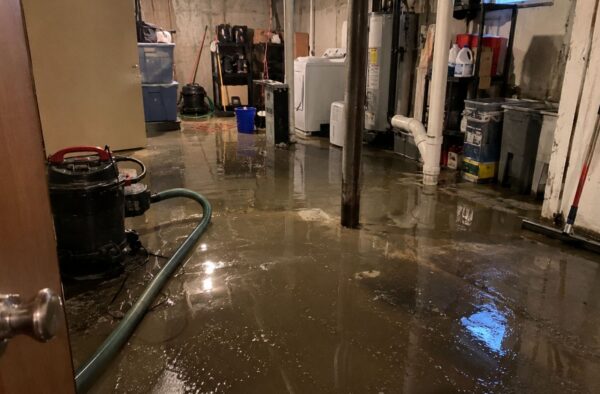
Most sump pumps fail during heavy rainstorms, and the reason is often simple: a power outage cuts electricity right when the pump is needed most. If your sump pump has no battery backup and the power goes out during a storm, water keeps rising with nothing pumping it out. This is the scenario that causes the most basement flooding, and it’s also the easiest to prevent with a battery backup system installed ahead of time.
7. It’s Simply Old
Most sump pumps last seven to ten years with regular maintenance. If yours is approaching or past that mark, even without an obvious symptom yet, it’s worth having it inspected. An old sump pump that hasn’t failed yet is still more likely to fail during the next major storm than a newer one, and replacement at that point is usually more cost-effective than continuing to repair it piece by piece.
Is It Worth Repairing a Sump Pump?
It depends on the pump’s age and what’s actually broken. A float switch replacement or a cleared discharge line on a five-year-old pump is absolutely worth repairing. A motor failure on a pump that’s already eight or nine years old usually isn’t, since you’d be paying repair labor on a unit that’s likely to fail again soon anyway. HomeGuide’s 2026 sump pump repair cost data backs up this same repair-versus-replace threshold nationally.
Typical sump pump repair costs:
| Issue | Typical Repair Cost |
| Pedestal sump pump repair | $100–$500 |
| Submersible sump pump repair | $150–$1,500 |
| Labor (per hour) | $45–$200 |
| Annual maintenance | $150–$250 |
Can Sump Pumps Be Repaired?
Yes, in most cases. Common sump pump problems, including a stuck float switch, a clogged discharge pipe, a failed check valve, or minor electrical issues, are all repairable without replacing the entire unit. What usually pushes a job from “repair” to “replace” is motor failure on an older pump, since motor replacement often costs close to what a new pump costs anyway.
How Much Does It Usually Cost to Replace a Sump Pump?
Sump pump replacement is generally more cost-effective than repeated repairs once a pump starts failing regularly, a pattern also reflected in Angi’s sump pump replacement cost data. A licensed plumber can typically replace a sump pump in under two hours. For a full breakdown of installation pricing by pump type, see our guide to sump pump installation cost in Connecticut.
What Are the Common Problems With Sump Pumps?
Beyond the seven warning signs above, sump pumps commonly run into clogged intake screens, worn-out check valves that let discharged water flow back into the pit, electrical connection issues from age or moisture exposure, and impellers jammed with small debris. Regular sump pump maintenance, including cleaning the pit and testing the float switch a few times a year, catches most of these before they turn into an emergency. Our guide on how long sump pumps last covers what actually determines whether a pump hits 7 years or 15.
Conclusion
A sump pump rarely fails without warning. Constant running, strange noises, visible rust, a clogged discharge line, frequent cycling, or simply reaching the seven to ten year mark are all signs worth acting on before the next heavy rainstorm arrives. Catching the problem early usually means a repair in the low hundreds of dollars rather than a flooded basement and a full replacement.
If your sump pump is showing any of these signs, All State Plumbing Pros provides sump pump repair, maintenance, and replacement across Fairfield County and Westchester County, including Danbury, New Milford, Ridgefield, Wilton, and Bethel. Contact us today for an honest assessment of whether your pump needs a repair or a replacement.
FAQs
Is it worth repairing a sump pump?
It depends on the pump’s age and the type of failure. Repairing a float switch or clogged line on a newer pump is usually worth it. Motor failure on a pump already near the end of its 7 to 10 year lifespan is often better handled with a replacement.
Can sump pumps be repaired?
Yes. Most sump pump problems, including a stuck float switch, clogged discharge line, or failed check valve, can be repaired without replacing the whole unit. Full motor failure on an older pump is the main exception where replacement usually makes more sense.
How much does it usually cost to replace a sump pump?
Sump pump replacement typically costs $500 to $3,000 depending on the pump type and whether a new sump pit is needed. A licensed plumber can usually complete a straightforward replacement in under two hours.
What are the common problems with sump pumps?
Common sump pump problems include a stuck float switch, a clogged or frozen discharge pipe, a failed check valve, unusual motor noises, visible rust or corrosion, and failure to activate during a power outage.