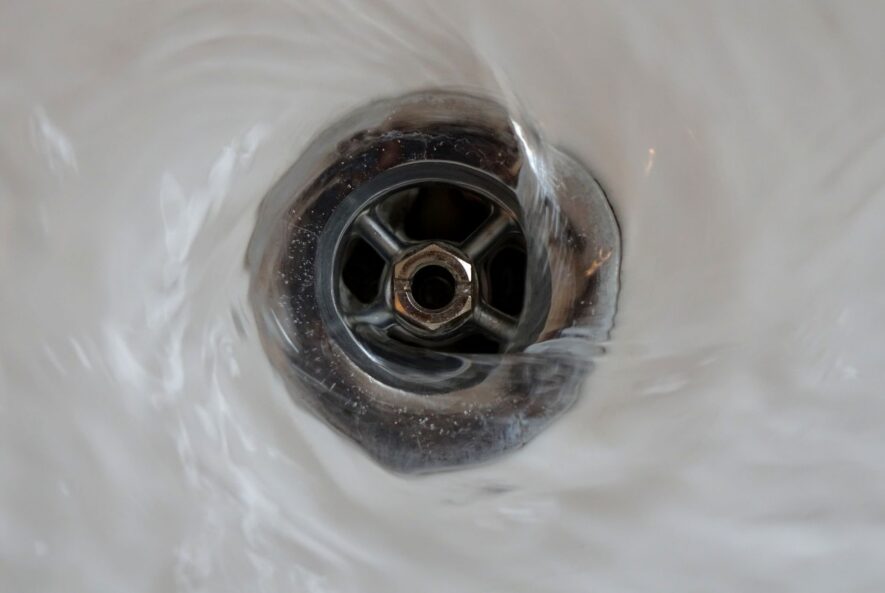
Gurgling drains: what your pipes are telling you
A gurgling drain is air being forced through water as it drains. The usual causes are a partial clog, a blocked or failing vent, a dry or faulty P-trap, or a problem in the main sewer line or septic system. One gurgling sink is often a simple fix. Gurgling noises from several drains at once are a warning sign worth taking seriously.
Around Fairfield County, CT, and Westchester County, NY, we hear about gurgling drains from homeowners in Bethel, Danbury, Newtown, Wilton, Ridgefield, and New Milford. A lot of local homes have older drain pipes, mature trees near the sewer line, and roof vents that collect leaves and winter ice. Each of those can upset the air pressure that keeps a plumbing system flowing smoothly.
The good news is that a gurgle is an early signal, not a disaster. Catch it now, and you can often avoid a sewage backup and the costly repairs that follow. If the sound keeps coming back or spreads to other fixtures, All State Plumbing Pros offers drain cleaning and drain repair for homes across the area.
What does a gurgling drain mean?
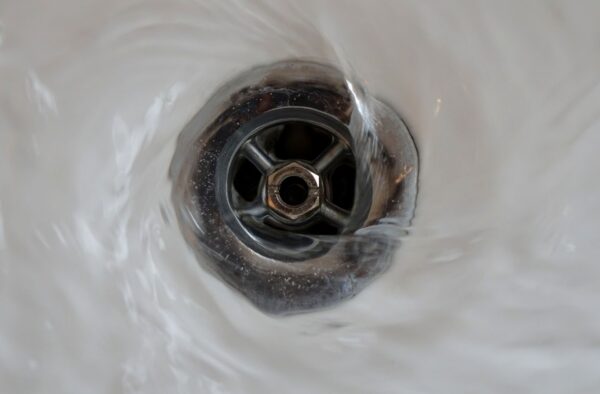
A gurgling drain means air can’t move through your pipes the way it should. Normally, water flows down the drain line while air enters behind it through the vent system. When something blocks that air, the draining water pulls air through the nearest opening instead, often the trap under your sink or the toilet bowl. Those air bubbles are the gurgling noises you hear.
Is it one drain or many drains?
The quickest way to read a gurgling drain is to count how many fixtures are doing it. If only one sink drain or tub gurgles, the problem is usually local to that fixture: a partial clog, a trap issue, or a vent serving just that line. If multiple drains gurgle, or the bathroom sink gurgles when the toilet flushes, the problem is more likely shared, such as the main vent stack or the main sewer line. In our experience, this one question narrows things down faster than anything else a homeowner can check.
What causes a gurgling drain?
Most gurgling drains come down to trapped air from a blockage, a venting problem, or a lost trap seal. Drain lines installed without the proper slope can cause it too, since water and air collect in the low spots instead of moving through. The six causes below account for nearly every gurgling drain.
A partial clog in the drain line
A partial clog is the most common reason for a gurgling sink. Hair, soap scum, grease buildup, food debris, and other debris narrow the pipe, so water and air fight for the same small space. You’ll usually notice slow drainage along with the gurgling noises. In a kitchen sink, grease and food scraps are the usual culprits. In a bathroom sink or shower, it’s mostly hair and soap.
A blocked or failing vent pipe
Vent pipes let air into the plumbing system so wastewater can drain freely and trap seals stay intact. When leaves, debris, an animal nest, or winter ice blocks the roof vent, draining water creates a vacuum and pulls air through your fixtures instead. Vent pipe issues tend to affect more than one fixture, and they often come with sewer odors. Our guide to plumbing vent pipe problems covers the signs in more detail. Please don’t climb onto the roof to check it yourself. A plumber can inspect and clear the vent safely.
A faulty air admittance valve
An air admittance valve (AAV) is a one-way valve that lets air into a drain line when water flows, then closes to keep sewer gases out. AAVs are often used under sinks where a traditional vent pipe is hard to run, such as a kitchen island. Like any mechanical part, they can stick or wear out. A failed AAV can’t let air in, so the sink gurgles. A plumber can confirm the valve is the problem and replace it.
A dry or faulty P-trap
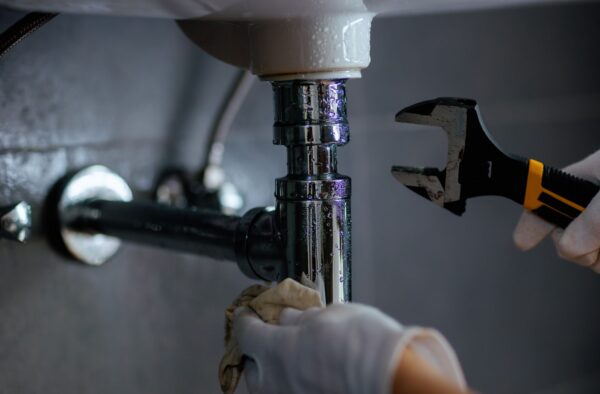
The P-trap is the curved pipe under a sink that holds a small amount of water to block sewer gases. If that water evaporates in a rarely used drain, or gets siphoned out because of poor venting, air and odors pass straight through. A loose, cracked, or incorrectly installed trap can cause the same trouble. Running water in an unused drain often refills it, and our article on how P-trap plumbing works explains common trap problems.
A main sewer line problem
A clogged or damaged main sewer line is the most serious common cause of gurgling. Tree root intrusion, grease, and debris can narrow the line that carries all of your home’s wastewater to the street. Because every fixture shares that line, the symptoms show up in multiple drains, often the lowest ones first. We often find older clay and cast iron sewer lines in established neighborhoods, and roots find their way into those joints. Learn the other main sewer line clog warning signs before a small backup becomes a big one.
A septic system problem
Homes on septic can hear gurgling when the septic tank is full, or the drain field isn’t absorbing water well. The Indian Health Service lists gurgling sounds in the plumbing among the signs of a failing septic system, along with slow drains, backups, sewage odors in the house or yard, and soggy ground. If you’re on septic and see those signs, call a septic professional to inspect the tank and drain field.
Why is my sink gurgling but not blocked?
A sink gurgling but not blocked usually points to an air problem rather than a clog in that sink. The most likely causes are a blocked vent, a failing air admittance valve, a dry or faulty P-trap, or a partial clog further down the drain system. Water can still drain at a normal speed while the vent problem pulls air through the trap. A kitchen sink gurgling when the dishwasher drains is a common version of this, since both share the same kitchen sink drain. If gurgling comes with a rotten egg smell, that’s sewer gas getting past the trap, which our post on why a shower drain smells explains.
Why does my toilet gurgle when another fixture drains?
A toilet that gurgles when a sink, tub, or washer drains usually means the drain pipes are short on air. This Old House explains that a gurgling toilet is typically caused by negative air pressure in the drain pipes, often from a blocked vent. When another fixture sends water down the shared line, it pulls air through the toilet’s trap instead. If the toilet also drains slowly or the water level drops, the shared drain line or main sewer line may be partly blocked.
Is a gurgling drain serious?
A gurgling drain can be a minor annoyance or an early sign of a sewer line issue, depending on where it shows up. One gurgling sink that still drains well is rarely urgent. Persistent gurgling noises in multiple sinks, toilets, or floor drains are more serious, because they can come before a sewage backup and water damage. Sewer gases are another concern. They have an unpleasant odor, and a smell that keeps coming back shouldn’t be ignored, since sewage and sewer gas can bring health hazards into the home.
How do you fix a gurgling drain?
You can fix a gurgling drain on a single fixture by clearing the clog and restoring the trap seal. Work through these steps in order and stop if the problem spreads to other drains.
- Remove the drain stopper or strainer and pull out any hair or other debris you can see.
- Run water for a moment in rarely used drains to refill a dry P-trap.
- Use a cup plunger on the sink drain to clear minor blockages, or a flange plunger on a toilet.
- If plunging doesn’t work, feed a hand drain auger into the line to break up the partial clog.
- Run hot water afterward and listen. If the gurgling persists, call a plumber.
Skip chemical drain cleaners. Harsh chemicals can damage drain pipes, and they rarely clear a vent or sewer problem anyway.
Can I pour vinegar down the drain to unclog it?
Baking soda and vinegar may loosen light buildup in a drain, but they won’t clear a real clog, a blocked vent, or a sewer problem. They’re a gentle option for routine freshening, not a fix for persistent gurgling. Homeowners often ask us whether a stronger chemical drain product is the next step. It usually isn’t, and our article on whether liquid drain cleaner is bad for pipes explains why.
How to tell if a sewer drain is clogged
A clogged sewer drain shows up in multiple drains at once, not just one. Watch for slow drains throughout the house and gurgling noises in one fixture when another is used. Standing water or sewage often shows up in the lowest fixtures first, such as a basement floor drain, shower, or tub. Sewage odors inside or outside the house are another sign. If water starts backing up, stop using water in the house and call a plumber right away.
How to prevent gurgling drains
Most gurgling drains are easier to prevent than to fix. Put a strainer in every sink and tub to catch hair and food. Keep grease out of the kitchen sink, and run water through the garbage disposal after each use. Flush only toilet paper, since wipes and paper towels are a frequent cause of clogs and recurring clogs. Watch your plumbing fixtures for slow draining, new gurgling noises, or other strange noises, and have a plumber check the roof vents if you suspect a blockage. These habits help keep a healthy plumbing system, though they can’t stop root intrusion or an aging sewer line.
When to call a plumber about a gurgling drain
Call a professional plumber if you notice any of these:
- Gurgling from multiple drains or multiple sinks
- Sewage odors inside the house or in the yard
- Water or sewage backing up into a tub, shower, or floor drain
- Gurgling that comes back after you’ve plunged or snaked the drain
- Recurring clogs in the same fixture
These point to complex plumbing issues in the vent, the drain line, or the sewer system that DIY tools can’t reach. In our experience, the earlier a homeowner calls about persistent gurgling, the simpler the repair tends to be.
Conclusion
A gurgling drain is your plumbing system telling you air isn’t moving the way it should. One gurgling sink often comes down to a partial clog, a dry trap, or a vent issue you can narrow down yourself. Gurgling in multiple drains, sewage odors, or backups usually mean a main sewer line or venting problem that needs a professional.
A drain that keeps gurgling is worth a look before it turns into a backup. All State Plumbing Pros clears stubborn drains, inspects and repairs sewer lines, offers hydro jetting, and provides 24/7 emergency service, with licensed and insured plumbers across Fairfield County and Westchester. Send us a message or call (203) 456-3636 to set up a visit, or see what else we do at All State Plumbing Pros.
FAQs
How do you fix a gurgling drain?
Clear the drain stopper, refill a dry trap, then use a plunger or hand drain auger on the clog. If gurgling persists or affects multiple drains, call a plumber.
Why is my sink gurgling but not blocked?
A sink that gurgles but drains normally usually has an air problem, such as a blocked vent, a failing air admittance valve, a dry P-trap, or a partial clog further down the line.
Can I pour vinegar down the drain to unclog it?
Baking soda and vinegar may loosen light buildup, but they won’t clear a real clog, a blocked vent, or a sewer line problem. Use a plunger or drain auger instead.
How do you tell if a sewer drain is clogged?
Look for gurgling, slow drainage, or backups in multiple drains at once, starting with the lowest fixtures like a basement floor drain or tub. Sewage odors are another sign.
Why does my toilet gurgle when the sink drains?
The toilet and sink share a drain line, so a blocked vent or partial clog lets the draining sink pull air through the toilet’s trap, causing the gurgling sound.
Is a gurgling drain an emergency?
A single gurgling drain usually isn’t an emergency. Gurgling with sewage odors or water backing up into a tub, shower, or floor drain needs a plumber right away.