How Long Do Sump Pumps Last? When to Replace It
Most residential sump pumps last 7 to 10 years with normal use, though budget models can fail in 3 to 5 years and premium cast-iron units can run 15 years or more (EastCoast Plumbing, SumpPumpCentral). Submersible pumps, the type in most Fairfield County basements, tend to run 5 to 10 years, while pedestal pumps can last 10 to 15 years because the motor stays out of the water. If yours is pushing a decade old, don’t wait for it to fail during a July downpour to find out.
We get the call every summer: a finished basement, a flooded rec room, and a sump pump that quietly died weeks earlier without anyone noticing. On service calls across Danbury, Bethel, and Brookfield, the pattern is almost always the same — an aging pump that never got tested until the storm that mattered.
What Determines How Long a Sump Pump Lasts?
A sump pump’s lifespan comes down to how often it runs, the water table under your home, and the quality of the original install. A pump in a high-water-table property that cycles daily wears out faster than one that only kicks on during heavy rain.
Several factors shorten sump pump life in our area specifically:
- Frequency of use. Homes near the Still River or in low-lying parts of New Milford and New Fairfield run pumps far more often than homes on higher ground.
- Pump type. Submersible pumps sit in water and moisture full-time, which is harder on seals and bearings than a pedestal design.
- Motor quality. Big-box store pumps with plastic components often fail well before the 7-year mark; commercial-grade cast iron units from brands like Zoeller or Liberty routinely outlast them.
- Debris in the pit. Silt, gravel, and clay — common in Fairfield County’s clay-heavy soil — clog intake screens and force the motor to work harder.
- Power interruptions. Summer thunderstorms that knock out power are exactly when a pump needs to run most. Without a battery backup, an outage during a storm means no pump at all.
How to Test a Sump Pump (5-Minute Check)
The fastest way to test a sump pump is to pour a five-gallon bucket of water into the pit and watch what happens. A healthy pump activates within seconds, clears most of the water, and shuts off cleanly once the float drops (Family Handyman).
Here’s the full check we recommend doing every spring, before Connecticut’s heavy rain season hits:
- Fill a 5-gallon bucket with water and pour it into the sump pit.
- Watch the float switch rise and confirm the pump kicks on within a few seconds.
- Check that water drains out through the discharge line and the pump shuts off on its own once the pit empties.
- Listen for grinding, rattling, or a labored motor sound — any of these mean the impeller is likely clogged or worn.
- If you have a battery backup, unplug the primary pump and repeat the test to confirm the backup actually engages.
If water sits in the pit without draining, the problem is usually the intake screen, the check valve, or the power supply — the same three culprits techs check on every service call. A clogged intake (a sock, a pebble, laundry lint) is a quick DIY fix. A pump that hums but doesn’t move water, or one that’s dead silent even with a good outlet, usually means a burned-out motor and it’s time to replace the unit rather than repair it.
Warning Signs Your Sump Pump Needs Replacing
The clearest sign a sump pump needs replacing is a pump older than 7 years combined with any performance issue — repeated cycling, unusual noise, or slow drainage. Age alone isn’t a death sentence, but age plus a symptom means don’t gamble on it through storm season.
Watch for:
- The pump runs constantly, even without rain. This usually points to a stuck float switch or a motor that’s losing efficiency.
- Loud grinding, rattling, or banging. Bearings and impellers wear out with age and start making noise before they fail completely.
- Visible rust or corrosion on the housing. Rust is a sign of age-related wear and often a preview of a cracked casing.
- The pump cycles on and off rapidly (short-cycling). This strains the motor and shortens what life the pump has left.
- It’s more than 7 years old and you don’t know its full service history. If you bought the house and never had the pump inspected, treat unknown age as a reason to test it now, not during the next nor’easter.
What a Sump Pump Failure Actually Costs You
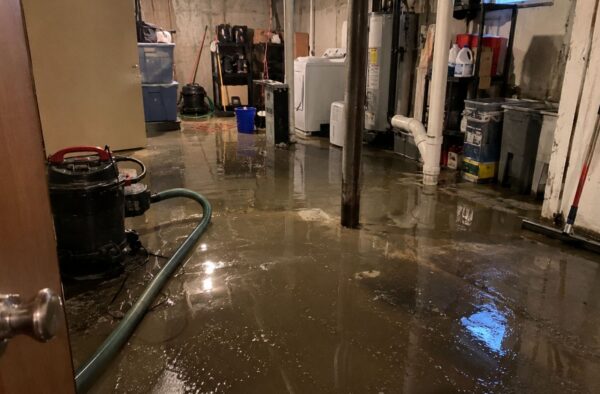
A failed sump pump doesn’t just mean a wet floor. Basement flooding in a finished space can mean ruined drywall, flooring, and stored belongings, plus the mold remediation that follows if water sits for more than 24-48 hours. Compare that to a replacement pump, which typically runs $800 to $2,500 installed depending on pump type and features (see our sump pump installation cost guide for a full breakdown by pump size and features). The math almost always favors proactive replacement over reactive cleanup.
If your home already has a history of a damp basement, or you’re on a well and dealing with well pump issues on top of it, a sump pump failure compounds fast. Homes in New Fairfield, Redding, and parts of New Milford with higher water tables see this most often.
DIY vs. Calling a Pro
Testing your pump, clearing debris from the pit, and cleaning the intake screen are all safe DIY tasks that take 10 minutes a season. Replacing a sump pump, on the other hand, involves electrical connections near water, correct check-valve installation, and often re-routing discharge piping to meet code and keep water away from your foundation — that’s licensed-plumber territory. A discharge line that dumps water back toward the foundation, instead of at least 10 feet away, defeats the purpose of the whole system and is a mistake we see often on DIY installs.
If you’re not sure whether your pump needs a simple clean-out or a full replacement, that’s a five-minute question for a technician rather than a guessing game with your basement on the line.
Frequently Asked Questions
How often should I test my sump pump?
Test it at least once a year, ideally in early spring before Connecticut’s heaviest rain months. Homes prone to flooding or on a high water table should test it every few months.
Can a sump pump last longer than 10 years?
Yes. Well-built cast-iron pedestal pumps with light usage and regular maintenance can last 15 years or more. Cheap plastic-bodied pumps often fail closer to the 3-to-5-year mark.
Do I need a battery backup sump pump?
If your basement is finished or you store anything valuable there, yes. Power outages during thunderstorms are exactly when pumps are needed most, and a battery backup keeps the system running when the grid doesn’t.
What’s the difference between a pedestal and a submersible sump pump?
A pedestal pump keeps its motor above the pit, out of the water, which extends its life to 10-15 years but is louder and more visible. A submersible pump sits inside the pit, runs quieter, but its motor sits in moisture full-time, typically lasting 5-10 years.
Is it worth repairing an old sump pump instead of replacing it?
Minor repairs like a float switch or check valve cost far less than a new pump and are worth it on a pump under 7 years old. A motor replacement on an older unit usually costs close to a new pump, so replacement is the smarter call at that point.
How do I know if my sump pump pit has enough drainage?
The discharge line should carry water at least 10 feet from your foundation and slope away from the house. If water pools back near the foundation after the pump runs, the discharge routing needs to be corrected by a plumber.
Need help now?
If your sump pump failed, is making noise, or you just want peace of mind before the next storm rolls through Fairfield County, call All State Plumbing Pros. We offer 24/7 emergency service across Danbury, Bethel, Brookfield, New Milford, Ridgefield, and the surrounding towns — reach out here and we’ll get a technician out to test or replace your pump before it costs you a basement.