Heat pump water heaters: pros, cons and CT energy rebates
A heat pump water heater pulls heat from the surrounding air and moves it into the tank instead of making heat directly. According to the U.S. Department of Energy, that makes it two to three times more energy efficient than a conventional electric resistance water heater. The catch is that it costs more upfront and needs the right space to work well.
That second part matters a lot in our area. Homes in Danbury, Bethel, New Milford, Ridgefield, Wilton, Newtown, and Brookfield, and across Westchester County, often keep the water heater in a basement, utility closet, or garage. Some of those spaces stay comfortable all year. Others get cold in a Connecticut winter, and a heat pump unit doesn’t like the cold.
If your current tank is near the end of its life, it pays to decide before it fails, not after. All State Plumbing Pros installs and services water heaters across Fairfield County and Westchester County, and our water heater repair and installation team can look at your space and help you decide whether a heat pump model fits.
How does a heat pump water heater work?
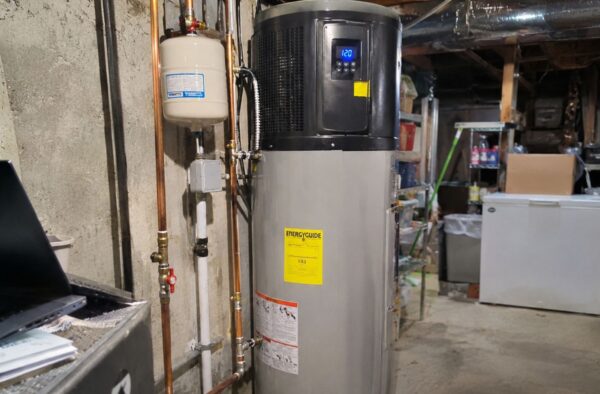
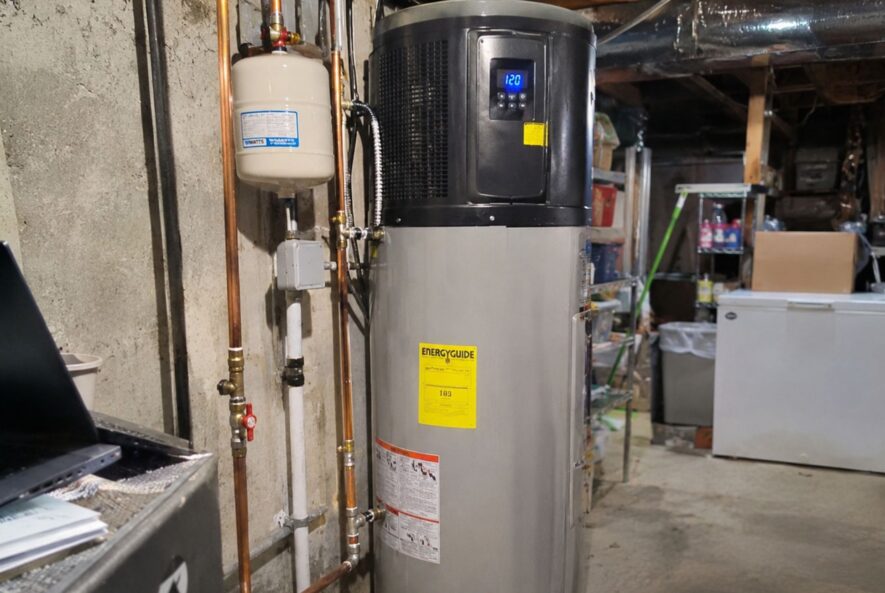
A heat pump water heater works like a refrigerator in reverse. A fan draws room air across evaporator coils filled with refrigerant, which absorbs the heat. A compressor raises the refrigerant’s temperature and pressure, and a condenser near the tank releases that heat into the water. Integrated units pair the heat pump with backup electric elements, which is why ENERGY STAR notes they are also called hybrid electric water heaters. When the heat pump can’t pull enough heat from the air, those electric elements switch on.
What are the pros of a heat pump water heater?
The biggest advantage is energy efficiency. Because the unit moves heat instead of generating it, it uses far less electricity than a standard electric water heater, and DOE says it typically has lower operating costs. ENERGY STAR estimates a certified electric model can save a household of four approximately $600 per year on electric bills, though real savings depend on hot water use and your electric rate. In hot, humid weather, it can also help cool and dehumidify the space it sits in.
What are the downsides of a heat pump water heater?
The main downsides are a higher upfront cost and stricter space needs. DOE says these systems typically cost more initially than conventional storage water heaters, and they need a spot that stays between 40°F and 90°F year-round with at least 1,000 cubic feet of air space. Some models are taller than a traditional tank, according to Connecticut’s Department of Energy and Environmental Protection (DEEP).
The unit also cools the room it’s in, which is a plus in August and a drawback in January. It makes condensate that has to go to a drain, and the fan and compressor add some noise. Angi compares the sound to the hum of a dishwasher, so placement near a bedroom deserves some thought. ENERGY STAR also notes installation can take longer than a standard water heater swap.
Will a heat pump water heater work in a CT basement or garage?
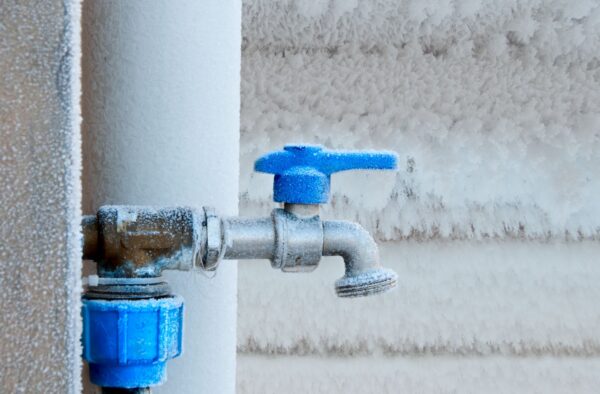
It can, if the space stays between 40°F and 90°F all year and has enough air around the unit. A finished or partly heated basement is often a good candidate. An unheated garage that drops below 40°F in winter is a poor fit, because DOE notes these units won’t operate efficiently in a cold space. DOE also says a spot near excess heat, such as a furnace room, helps efficiency. Homeowners often ask us whether their basement is warm enough, and the honest answer depends on that space in the coldest weeks of the year.
Before a heat pump water heater is installed, check that your space has:
- A temperature that stays between 40°F and 90°F year-round
- At least 1,000 cubic feet of air space around the unit
- A nearby drain or room for a condensate pump
- The right electrical supply for the model you choose
- Enough height for a taller tank and access to the air filter
In our experience, electrical work is the item homeowners overlook most. One major manufacturer says most 240-volt models need a dedicated circuit, much like many conventional electric water heaters. Some newer 120-volt models can run from a standard household outlet and may avoid the cost of a new circuit, though 240-volt models typically recover faster during peak use.
What are some common problems with heat pump water heaters?
The most common problems come from airflow, drainage, and cold. ENERGY STAR says these units may need annual maintenance, including changing air filters, and Angi recommends cleaning condensate drain lines every year to clear algae, mold, or mildew. In cold spaces, and in cold climates where incoming water is colder, ENERGY STAR notes a unit may temporarily switch to backup electric mode, which raises energy use. A heat pump water heater that acts like a regular electric tank all winter is often telling you about its location, not a defect. Our water heater maintenance tips cover the tank care that applies to every model.
Heat pump vs. standard water heaters: which is better?
A heat pump water heater is usually the better choice when you’re replacing a standard electric water heater and have a suitable space. A standard electric tank is simpler and fits almost anywhere, but it costs more to run. Gas is its own decision, and our gas vs. electric water heater comparison walks through it. Whichever you pick, check what size water heater you need before settling on a gallon capacity.
| Feature | Heat pump water heater | Standard electric water heater | Gas water heater |
| How it heats water | Moves heat from the air, with backup electric elements | Electric resistance elements | Burns natural gas or propane |
| Efficiency | 2 to 3 times more efficient than electric resistance (DOE) | Baseline for comparison | Depends on the model |
| Upfront cost | Higher than conventional tanks | Lower | Depends on gas line and venting |
| Space needs | 40°F to 90°F, 1,000 cubic feet of air | Fits most spaces | Needs proper venting |
| Extras | Condensate drain, air filter, some noise | Few | Combustion venting |
What CT energy rebates and tax credits apply in 2026?
In 2026, Connecticut homeowners can still look to Energize CT rebates, but the federal tax credit ended after 2025 and doesn’t cover new installs.
Energize CT heat pump water heater rebates
Energize CT serves residential customers of Eversource and United Illuminating (UI). Its 2026 residential rebate terms say the heat pump water heater must be ENERGY STAR certified and meet the minimum efficiency listed on the application, with a limit of two units per address. Discounts can be applied instantly through participating retailers or distributors, and if one was, you can’t also claim the mail-in rebate. Mail-in applications under the 2026 terms must be postmarked by February 27, 2027.
Amounts and offers change, so check current offers at EnergizeCT.com/Rebates or with your electric utility before you buy. Westchester County homeowners should check with their own New York utility, since Energize CT serves Connecticut customers.
Federal tax credit status in 2026
The federal credit ended after 2025. The IRS Energy Efficient Home Improvement Credit covered qualifying property placed in service from January 1, 2023 through the end of 2025, up to $2,000 per year for heat pumps and heat pump water heaters combined. It does not apply to a unit installed in 2026, and older articles that mention tax credits may be out of date. Confirm your own situation with a tax professional.
Is a heat pump water heater worth it?
A heat pump water heater is usually worth it if you’re replacing an electric water heater and have a basement or utility space that stays between 40°F and 90°F. Lower operating costs can help make up for the higher price over time, and Energize CT rebates can narrow the gap. It’s a weaker fit for a cold garage, a cramped closet, or a spot beside a bedroom. Installed cost depends on tank size and whether you need a new circuit or condensate drain, and our guide to the average cost to replace a water heater covers the main cost drivers. When we quote a replacement, we look at the space, the electrical panel, and the drain location first.
Conclusion
A heat pump water heater moves heat from the air into your tank, and that makes it two to three times more efficient than a standard electric model. It needs a space that stays between 40°F and 90°F with plenty of air, a drain for condensate, and the right electrical supply. Energize CT rebates can help with the cost in Connecticut, but the federal tax credit ended after 2025.
Weighing a heat pump against another tank? Our water heater team at All State Plumbing Pros can look at your space, wiring, and drain options and talk through what fits. We’re licensed and insured in Connecticut and Westchester County, NY, and also handle drain cleaning, residential plumbing, and 24/7 emergency service. Contact All State Plumbing Pros or call (203) 456-3636 for a free estimate, or visit our plumbing company homepage.
FAQs
What are the downsides of a heat pump water heater?
The main downsides are higher upfront cost, a space that must stay between 40°F and 90°F, a condensate drain, some fan and compressor noise, and a cooler room around the unit.
Is a heat pump hot water system worth it?
It’s usually worth it when you’re replacing an electric water heater and have a suitable space. DOE says it can be two to three times more efficient than standard electric models.
Is a heat pump water heater better than a regular water heater?
It’s more efficient than a standard electric water heater and costs less to run. A regular tank is simpler, cheaper upfront, and fits spaces that are too cold or tight for a heat pump.
What are common problems with heat pump water heaters?
Common problems include clogged air filters, blocked condensate lines, and units switching to backup electric mode in cold spaces. Changing filters and cleaning drain lines every year helps prevent them.
Can a heat pump water heater go in a garage in Connecticut?
Only if the garage stays between 40°F and 90°F year-round. An unheated garage that gets colder than 40°F in winter will make the unit run less efficiently.
Is there a federal tax credit for a heat pump water heater in 2026?
No. The IRS Energy Efficient Home Improvement Credit covered property placed in service through the end of 2025. Confirm your situation with a tax professional.
Do heat pump water heaters need a special outlet?
Most 240-volt models need a dedicated circuit. Some 120-volt models can plug into a standard household outlet, which may avoid the cost of adding a new circuit.