Fall plumbing checklist for New England homes
Fall plumbing maintenance means getting your water heater, sump pump, outdoor faucets, and exposed pipes ready before freezing temperatures arrive. The goal is to find small leaks and weak parts now, while a fix is still simple. Wait too long, and a cold snap can turn them into frozen pipes or a flooded basement.
In Fairfield County and Westchester County, fall is the last comfortable window to do this work. Many homes around Danbury, New Milford, Ridgefield, Bethel, Newtown, and Brookfield are older. Their pipes often run through crawl spaces, garages, and along exterior walls. Plenty of them rely on private wells and basement sump pumps, too.
Plumbing schedules also tend to fill up ahead of the busy holiday season. If anything on this list turns up a problem, All State Plumbing Pros can handle the repair through our residential plumbing services before colder weather sets in.
Why fall plumbing maintenance matters in New England
Fall plumbing maintenance matters in New England because winter punishes any weak spot in a home’s plumbing system. Water freezes at 32°F, and the risk of frozen pipes climbs as temperatures drop, especially in unheated areas like garages, attics, and crawl spaces. Fall rains and melting snow also push groundwater up around the home’s foundation, which puts your sump pump and drainage to work. A fall check gives you time to repair leaks and replace worn parts on your own schedule, not during an emergency.
Your fall plumbing maintenance checklist
This is the short version. Each item has its own section below explaining why it matters and when to bring in a pro. For year-round tasks like monthly leak checks, see our full plumbing maintenance checklist.
Fall plumbing checklist:
- Flush the water heater and test the pressure relief valve
- Check the water heater for leaks, rust, and corrosion
- Test the sump pump and clear the discharge line
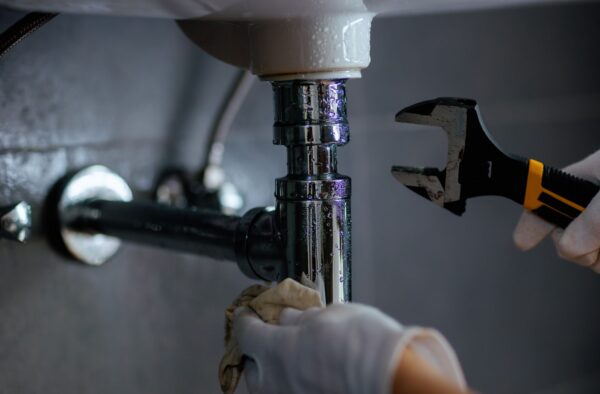
- Check for small leaks under sinks, around toilets, and at the water meter
- Disconnect, drain, and store garden hoses
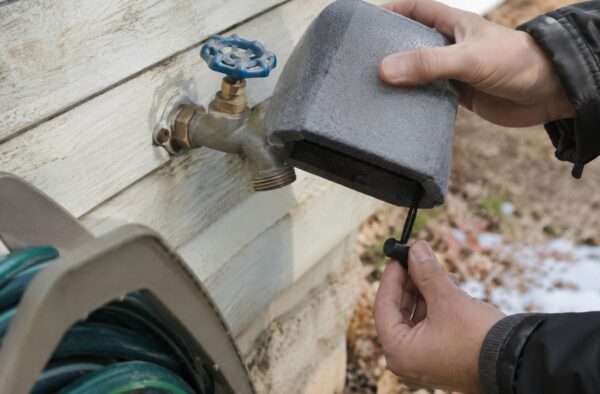
- Shut off and drain outdoor faucets
- Insulate exposed pipes in unheated areas and seal gaps
- Clean gutters and point downspouts away from the foundation
- Test the main water shutoff valve
- Watch for slow drains and gurgling toilets
- Check the well pump, pressure tank, and well cap
- Book any professional service before the holidays
Flush and inspect the water heater
Flush your water heater in the fall to clear out sediment buildup before it has to work hardest in winter. Our guidance is to flush a tank at least once a year, and more often if you have hard water. Sediment on the bottom of the tank makes the heater work harder for the same hot water, which adds to energy costs.
While you’re there, test the temperature and pressure relief valve, which opens to relieve pressure if the tank gets too hot or too pressurized. We recommend testing it once a year by lifting the lever and letting it snap shut. If it drips afterward, it needs to be replaced. Look around the base of the tank and the fittings for rust, moisture, or corrosion. Then check the thermostat. We recommend about 120°F for most homes. Our water heater maintenance tips walk through each step. If the tank is leaking or the valve won’t seat, schedule a professional tune-up before winter rather than waiting.
Test the sump pump before fall rains
Test your sump pump before the heavy fall rains arrive, not during the first storm. Pour a bucket of water into the sump pit and watch the float rise until the pump activates. It should empty the pit quickly and shut off once the water is gone. Then go outside and confirm water is flowing out of the discharge line, and clear away leaves or debris at the outlet. A pump that hesitates, cycles on and off rapidly, or never pushes water out is one to have checked. In our experience, a sump pump that sat idle all summer is the one that can stick when it’s finally needed.
Hunt down small leaks and hidden leaks
A fall leak check catches small leaks before they cause water damage or freeze. According to the EPA WaterSense program, the average household’s leaks can account for more than 9,300 gallons of water wasted every year. A faucet dripping at one drip per second can waste more than 3,000 gallons per year on its own.
To look for hidden leaks, check your water meter before and after a two-hour period when no water is being used. If the reading changes, you likely have a leak. For toilets, put a few drops of food coloring in the tank. If any color shows up in the bowl after 10 minutes, the toilet is leaking. For homes on town water, EPA says fixing easily corrected household leaks can save homeowners about 10 percent on their water bills. Also look under kitchen and bathroom sinks for damp cabinet floors or drips at the shutoff valves.
Disconnect outdoor hoses and shut off outdoor faucets
Disconnect outdoor hoses and shut off outdoor faucets before the first hard freeze. Trapped water in a hose or spigot can freeze and split the pipe behind it. The American Red Cross recommends that you remove, drain, and store hoses used outdoors. Close the inside valves that supply outdoor hose bibs. Then keep the outside valve open so any remaining water can expand without breaking the pipe. If you have an irrigation system or pool lines, drain them the way the maker or installer specifies. Our guide on how to prevent frozen pipes covers outdoor spigots and freeze protection in more detail.
Insulate exposed pipes in unheated areas
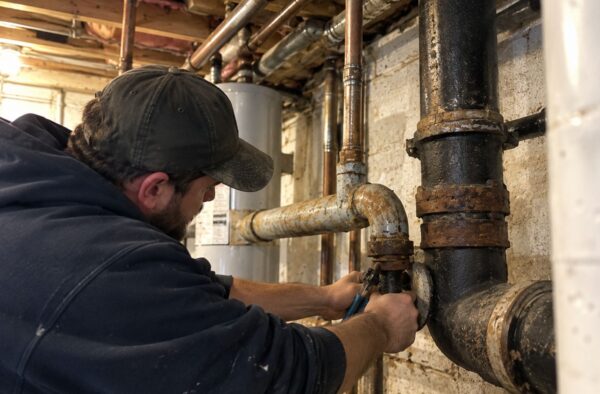
Insulate exposed pipes in unheated areas before temperatures fall, since unprotected pipes there are the most likely to freeze. Pipe insulation sleeves are an easy fix. The American Red Cross also recommends adding insulation to attics, basements, and crawl spaces, and insulating both hot and cold water pipes in those areas. It also suggests UL-listed heat tape or heat cable on exposed water pipes. During cold weather, it suggests you open cabinet doors in the kitchen and bathroom so warmer air can circulate around the plumbing. Pipes along exterior walls and where the water line comes through the foundation are common trouble spots.
Seal gaps where pipes pass through exterior walls or the sill so cold air can’t blow directly on them. Spray foam or caulk works for most small openings. We see this a lot in older homes in our area. A pipe can be fine for most of the winter, then freeze on a windy night when cold air slips through an unsealed gap.
Clean gutters and check downspouts
Clean gutters after most of the leaves have fallen so rain and melting snow can drain away from the house. Clogged gutters overflow, and that water overflow lands right next to the home’s foundation. From there, it can seep into the basement and keep the sump pump running. Clear leaves and debris from the gutters, and flush the downspouts with a hose before you put it away. Each downspout should end far enough from the house to ensure proper drainage. Extensions or splash blocks are an easy fix if water pools near the walls.
Test your main water shutoff valve
Test your main water shutoff valve in the fall so you know it works before a pipe bursts. Find the valve, usually where the water line enters the basement or near the well pressure tank, and turn it off and back on. If it won’t budge or starts dripping at the handle, don’t force it. Old valves can break or leak when they’re cranked hard, and a plumber can replace one in a planned visit. Homeowners often ask us whether this is worth the trouble. It is, because a working shutoff is what keeps a plumbing emergency from turning into a flooded basement.
Watch for slow drains and sewer line issues
Slow drains in several fixtures at once, gurgling toilets, and recurring clogs are warning signs of sewer line issues that are worth fixing before winter. Minor clogs in one sink are usually just a local drain problem. When a toilet gurgles while the washing machine drains, though, the main line is the more likely culprit. Our general guidance is to have a sewer line professionally cleaned every 18 to 24 months. Homes with clay or cast iron pipe, tree roots near the line, or a history of clogs often need it every year. Fall is a good time for an inspection, before winter makes a backup harder to deal with.
Check your well pump and pressure tank
If your home is on a private well, check the pump and pressure tank in the fall. Look at the pressure gauge and listen to the pump. If it turns on and off every few seconds, that’s called short cycling. It’s often a sign the pressure tank or switch needs attention. Check that the well cap is sealed and that the wellhead and any exposed pipes are insulated against cold weather. Changes in water pressure or sputtering faucets are also worth a call. Our well pump service covers inspections, repairs, and pressure tank work.
What plumbing tasks should you do in October?
October is the right month for most of this fall maintenance routine in our area, because the weather is still mild enough to work outside. Use it to disconnect hoses, drain outdoor pipes to prevent freezing, flush the water heater, test the sump pump, and clean gutters once the leaves are down. It’s also a good time to book any professional service you need. Schedules tighten as colder weather arrives and the holidays approach.
When to call a professional plumber
Call a licensed plumber when a fall check turns up something that needs more than basic tools or a quick adjustment. Most homeowners can handle the hoses, gutters, and leak checks themselves. Other warning signs need a professional plumber, so small issues don’t grow into major problems or burst pipes later.
Book professional service if you find:
- A water heater that leaks, rumbles loudly, or has a dripping pressure relief valve
- A sump pump that won’t start, runs nonstop, or doesn’t discharge
- A main shutoff valve that won’t turn or leaks
- Slow drains in several fixtures or gurgling toilets
- Short cycling or changes in water pressure on a well system
- A leak you can see evidence of but can’t find
In our experience, a planned fall visit is far easier on a household than emergency repairs in the middle of a cold snap.
Conclusion
A good fall plumbing checklist covers the water heater, sump pump, leaks, outdoor faucets and hoses, exposed pipes, gutters, the main shutoff, drains, and well equipment. Doing it before temperatures drop gives you time to fix small problems and lowers the chance of burst pipes or a flooded basement this winter.
When a fall check turns up something you’d rather not tackle, All State Plumbing Pros can take it from there. Our licensed, insured team covers water heater service, sump pump repair, drain cleaning, well pump service, and 24/7 emergency service throughout Fairfield County and Westchester. Call (203) 456-3636 or use our contact page to book a fall maintenance visit, or start on the All State Plumbing Pros homepage.
FAQs
What are some tips for fall plumbing maintenance?
Flush the water heater, test the sump pump, check for leaks, disconnect garden hoses, shut off outdoor faucets, insulate exposed pipes, clean gutters, and test your main shutoff valve before freezing temperatures arrive.
What plumbing maintenance should I do in October?
In October, disconnect and store garden hoses, shut off outdoor faucets, flush the water heater, test the sump pump, and clean gutters. It’s also a good month to book professional service before the holidays.
How often should you flush a water heater?
We recommend flushing a tank water heater at least once a year. Homes with hard water may need it more often, since minerals settle in the tank as sediment buildup.
Should I shut off my outdoor faucets in the fall?
Yes. Close the inside valve that supplies each outdoor faucet, then keep the outside spigot open so any remaining water can drain and expand without breaking the pipe.
How do I test my sump pump?
Pour a bucket of water into the sump pit. The pump should turn on as the float rises, empty the pit quickly, push water out the discharge line, and shut off.