Drain Cleaning Near Me
Last updated: August 03, 2026
A clogged drain rarely stays a small problem for long. Slow-draining sinks, gurgling toilets, and backed-up floor drains usually mean something is building up further down the line, and the difference between drain clearing and drain cleaning determines whether that clog comes back in a month or stays gone for years.
Homeowners across Fairfield County and Westchester County deal with clogged drains from a mix of causes: grease buildup in kitchen sinks, hair and soap scum in bathroom drains, and tree roots working their way into sewer lines on older properties. In Danbury and New Milford, older clay and cast iron sewer lines are especially prone to root intrusion. In Ridgefield and Wilton, hard water mineral buildup adds another layer to the same problem.
All State Plumbing Pros provides drain cleaning across Connecticut and Westchester County, from a single clogged kitchen sink to a full hydro-jet cleaning of a main sewer line.
Drain Cleaning vs. Drain Clearing: What’s the Difference?
These two terms get used interchangeably, but they describe different levels of service. Drain clearing creates a small hole through the blockage, restoring flow quickly but often leaving debris and buildup packed against the pipe walls. Drain cleaning removes all debris and buildup from the pipe, not just the immediate clog, which is why it typically offers longer-lasting results.
The practical difference shows up fast. Drain clearing often leads to quick re-clogging, sometimes within weeks, because the underlying buildup is still there. That’s part of why many drain clearing services only offer a 30-day guarantee. A full drain cleaning addresses the buildup itself, not just the blockage, which is the difference between a quick fix and an actual solution.
Common Drains That Need Cleaning
Clogs show up in predictable places around a home or business:
- Kitchen sinks, usually from grease, food debris, and buildup that solidifies inside the pipe over time
- Bathroom sinks and showers, typically from hair, soap scum, and toothpaste residue
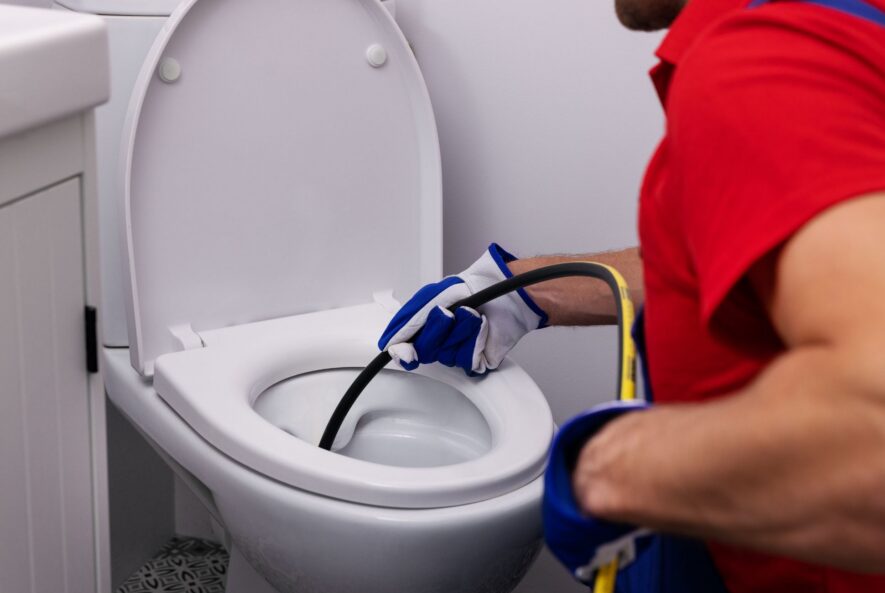
- Toilets, from paper towels, feminine products, and other items that shouldn’t go down the drain in the first place
- Bathtubs, often a slower version of the same shower drain buildup
- Floor drains, common in basements and commercial spaces, where debris and sediment collect over time
- Main drain lines, where tree roots, grease, and years of accumulated buildup from every fixture in the house converge
A clog in a single sink is usually a localized issue. Slow drainage across multiple fixtures at once, or a gurgling sound from one drain when another one runs, points to a main drain line problem instead.
How Much Does It Cost to Clean Drains?
Drain cleaning costs vary based on the method and the severity of the blockage. Basic snaking to clear a single sink typically costs $150 to $275, while snaking a full sewer line runs $200 to $500. Hydro-jetting, used for more serious buildup or tree root intrusion, generally costs $600 to $1,400, reflecting the specialized equipment and higher water pressure involved, figures consistent with HomeGuide’s 2026 hydro-jetting cost data. For Connecticut-specific pricing, see our drain cleaning cost guide and our dedicated hydro-jetting cost breakdown.
What Is the Average Cost to Unclog a Drain?
For a simple, single-fixture clog, such as a slow kitchen sink or bathroom drain, unclogging typically falls on the lower end, often under $200 for straightforward snaking. Costs increase when the blockage is further down the line, requires a video inspection to locate, or involves a main sewer line rather than a single fixture. A professional plumber can usually give you an accurate quote after a quick inspection rather than a flat estimate over the phone, since the actual cost depends heavily on where the clog is and what caused it.
How Much Does Professional Drain Cleaning Cost Compared to National Chains?
National chains and local plumbers generally fall within similar national pricing ranges for comparable work, since the equipment and labor involved don’t vary much by company. What varies more is what’s included: some companies bundle a video inspection into the price, others charge separately, and warranty length on the work (30 days versus several months) differs meaningfully. Rather than assuming one provider is cheaper based on name recognition alone, it’s worth asking directly what’s included in the quoted price and how long the workmanship is guaranteed.
When Hydro-Jetting Makes Sense
Hydro-jetting uses high-pressure water to clear grease, roots, and debris from inside a pipe, and it does so more thoroughly than a standard drain snake. It’s the right call for serious blockages, recurring clogs that keep coming back after snaking, and sewer lines with tree root intrusion. A hydro-jet drain cleaning doesn’t just punch through the clog, it scours the full diameter of the pipe, which is why it holds up longer against future buildup than clearing methods do.
Professional drain cleaning, done thoroughly, can clear the majority of drain lines under 75 feet in a single visit. For longer or more complicated lines, a video inspection helps confirm the full extent of the problem before choosing a method.
Why Video Inspection Matters
A video inspection sends a camera down the line to confirm what’s actually causing the blockage and to verify smooth, debris-free flow after cleaning is complete. Rather than guessing whether a clog has fully cleared, a video inspection provides a real answer, and it identifies problem areas, including root intrusion or pipe damage, that wouldn’t be visible any other way. For older homes in Danbury and Ridgefield with original clay or cast iron sewer lines, a video inspection is often worth the extra step before deciding between clearing and full cleaning.
Does Salt Actually Help Keep Drains Clean?
Pouring salt down the drain every night is a common home remedy claim, but it isn’t a substitute for real drain maintenance. Salt combined with hot water can help break down small amounts of grease, and baking soda and vinegar can loosen minor buildup, but none of these methods reach far enough down the line to address the kind of buildup that causes recurring clogs. For occasional light maintenance between professional cleanings, it doesn’t hurt. For an actual clog or years of accumulated grease and debris, it’s not a real fix, and relying on it can delay addressing a bigger problem forming further down the pipe. The EPA’s guidance on caring for household drain and septic systems makes a similar point: what goes down the drain matters more than what gets poured down it afterward to compensate.
Drain Maintenance That Actually Prevents Clogs
Regular maintenance prevents most of the emergency drain cleaning calls that could have been avoided. A few habits make a real difference:
- Schedule annual drain maintenance, especially in older homes with original plumbing
- Avoid pouring grease down kitchen drains, even when it’s still liquid
- Use drain covers to catch hair and debris before it enters the pipe
- Address a slow drain immediately rather than waiting for it to fully clog, following the same first steps in our guide on how to unclog a drain
- Get a video inspection every few years in homes with a history of root intrusion or older sewer lines
- Review our how often to clean drains guide to set a realistic schedule for your home
Regular checkups keep water flowing freely and catch problem areas before they turn into an emergency call. Our guide on the best drain cleaning method for your situation breaks down which approach fits which type of clog.
Emergency Drain Cleaning When You Need It Now
A backed-up main drain, a flooding floor drain, or a completely clogged toilet don’t wait for regular business hours. Emergency drain cleaning services should be available around the clock, since a delay of even a few hours can mean standing water, sewage backup, or damage to flooring and walls. Same-day scheduling matters just as much for less severe but still urgent situations, like a kitchen sink that’s completely unusable.
Conclusion
Drain cleaning near you isn’t just about finding the closest plumber, it’s about finding one who clears the actual buildup rather than just punching a hole through the clog and moving on. Understanding the difference between drain clearing and full drain cleaning, knowing when hydro-jetting is worth it, and staying ahead of maintenance are what keep a clogged drain from becoming a recurring problem.
All State Plumbing Pros provides drain cleaning, hydro-jetting, and emergency drain service across Fairfield County and Westchester County, including Danbury, New Milford, Ridgefield, and Wilton. Contact us today for a clog that actually stays gone.
FAQs
How much does it cost to clean drains?
Drain cleaning costs vary by method. Basic snaking runs $150 to $275 for a sink or $200 to $500 for a sewer line, while hydro-jetting for more serious blockages typically costs $600 to $1,400.
What is the average cost to unclog a drain?
A simple, single-fixture clog often costs under $200 to clear with standard snaking. Costs rise for clogs further down the line, main sewer line blockages, or jobs that require a video inspection to locate the problem.
How much does professional drain cleaning cost compared to national chains?
Pricing between local plumbers and national chains is generally similar for comparable work, since the equipment and labor involved don’t vary much by provider. What differs more is what’s included, like video inspections or warranty length, so it’s worth confirming that upfront.
Does pouring salt down the drain every night actually help?
Salt combined with hot water can help with minor grease buildup, but it isn’t a real substitute for professional drain cleaning. It won’t clear an actual clog or address buildup further down the pipe, and relying on it can delay fixing a bigger problem.