How Often to Clean Drains: A Simple Maintenance Guide
Knowing how often to clean drains is one of the simplest ways to protect your plumbing system and avoid slow drainage, frequent clogs, sewage backups, and costly repairs. Many homeowners only think about drain cleaning once water is backing up into a sink or shower, but by then, the problem is usually more advanced. Regular drain cleaning helps keep drain lines clear, supports healthy drain pipes, and reduces stress across the entire plumbing system.
In Fairfield County, CT, and Westchester County, NY, many homes deal with older pipes, mineral-heavy water, and seasonal changes that accelerate buildup inside drains. Grease, soap scum, hair, food particles, and other debris can cling to pipes long before a clog forms. This guide explains how often drains should be cleaned, what affects that schedule, and when professional drain cleaning is the safest option. If you need reliable plumbing service from licensed plumbers who understand local systems, All State Plumbing Pros provides professional cleaning and same-day service for residential and commercial properties throughout Connecticut and New York.
Why Regular Drain Cleaning Matters
Regular drain cleaning is an essential part of routine plumbing maintenance. As water flows through drain pipes, it carries grease, soap scum, hair buildup, food particles, and other debris that slowly stick to the inside of the pipes. Even when drains appear to work, buildup continues behind the scenes and eventually leads to poor drainage or clogged drains.
Routine cleaning removes this buildup before it hardens into a serious clog. This helps prevent unpleasant odors, reduces the chance of water backing up into sinks or floors, and lowers the risk of costly damage to pipes. Compared to emergency plumbing repairs, regular drain cleaning is a far more affordable way to protect your house and maintain long-term plumbing performance.
How Often to Clean Drains in a Typical Home
Homeowners often ask, “How often should I clean my drains?” The answer depends on usage, drain type, and the age of your plumbing. For most homes, light maintenance should happen monthly, with deeper cleaning every few months to keep drain lines clear.
Homes with frequent cooking, garbage disposals, or multiple bathrooms may need drains cleaned more often. Older plumbing systems and homes that have experienced past clogs also benefit from more frequent maintenance. Waiting until drains stop working often leads to serious clogs, water damage, and costly repairs that could have been avoided with regular cleaning.
| Drain Area | Typical Cleaning Frequency | Risk if Ignored |
| Kitchen sink drain | Every 1–2 months | Grease buildup, slow drainage |
| Bathroom drains | Every 2–3 months | Hair buildup, soap scum |
| Shower drain | Monthly light cleaning | Standing water, foul odors |
| Main sewer line | Every 1–2 years | Sewage backups, flooding |
How Often to Clean Drains by Drain Type
Different drains handle different waste, which is why cleaning frequency should vary by drain type. Understanding how each drain is used helps prevent clogs and extend the life of your plumbing.
How Often to Clean Kitchen Drains
Kitchen sink drains collect grease, oils, soap, and food particles every day. Even if you avoid pouring grease down the drain, residue still builds up over time. Garbage disposals grind food, but they do not eliminate grease or sticky debris that coats drain pipes.
Most plumbers recommend cleaning kitchen sink drains every one to two months. Running very hot water after washing dishes, pouring hot water weekly, and avoiding pouring grease down the drain can help. Sprinkling baking soda followed by vinegar can provide light maintenance, but professional drain cleaning is often needed to fully remove grease buildup from kitchen drain lines.
How Often to Clean Bathroom Drains
Bathroom drains, including the bathroom sink and shower drain, commonly clog due to hair buildup, soap scum, and toothpaste residue. Even one drain showing slow drainage can indicate buildup deeper in the system.
Light cleaning every two to three months helps keep bathroom drains flowing. Drain strainers help catch hair, and rinsing with hot water after use reduces residue. When multiple drains in the bathroom drain slowly or emit foul odors, professional cleaning is usually the safest solution.
How Often to Clean Main Drains and Sewer Lines
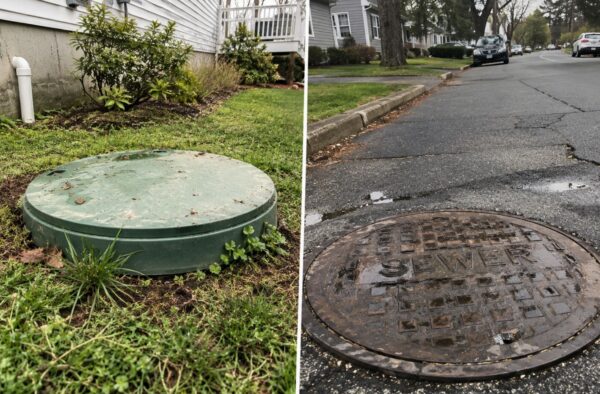
Main drains and sewer lines carry waste from the entire house. Because these pipes are underground, problems often go unnoticed until water backs up or toilet flushes behave abnormally.
Most homes benefit from professional cleaning of the main sewer line every one to two years. Homes with septic systems, tree roots, or older sewer lines may need more frequent service. Professional drain cleaning helps prevent sewage backups, flooded basements, and costly damage caused by neglected blockages.
Signs Your Drains Need Cleaning Sooner Than Scheduled
Even with regular maintenance, some warning signs indicate drains need attention sooner than planned. These symptoms often mean buildup has reached a level that can no longer be ignored.
Paying attention to early changes can prevent a serious clog and limit water damage.
- Slow drainage in one drain or multiple drains
- Frequent clogs that return after cleaning
- Gurgling sounds from sinks or shower drains
- Unpleasant odors or foul odors from drains
- Water backing up into sinks, tubs, or floors
When these signs appear, professional drain cleaning helps restore proper flow and prevent clogged pipes from causing further damage.
DIY Drain Cleaning vs Professional Drain Cleaning
Many homeowners try DIY solutions first, such as pouring boiling water, using a cup plunger, or mixing baking soda and vinegar. These methods can offer temporary relief for light buildup near the drain opening.
However, chemical cleaners and harsh chemicals can damage pipes over time, especially in older plumbing systems. Drain cleaning chemicals often push debris deeper into drain lines, increasing the risk of a serious clog later. Pouring boiling water can help dissolve grease, but it does not remove hardened buildup inside pipes.
When Professional Drain Cleaning Is the Better Choice
Professional drain cleaning removes buildup safely and completely. Licensed plumbers use specialized tools to clean drain pipes thoroughly rather than offering short-term fixes. Techniques such as hydro jetting use high-pressure water to clean the full interior of the pipe.
Professional cleaning is the better choice when clogs are frequent, multiple drains are affected, or DIY methods no longer work. This approach helps prevent clogs, protects pipes, and supports long-term plumbing health.
How Plumbing Age and Local Conditions Affect Drain Cleaning Frequency
In Fairfield County, CT, and Westchester County, NY, many homes have older plumbing systems that require extra care. Aging pipes are more prone to corrosion and narrowing, which allows debris to accumulate faster.
Local water conditions also play a role. Mineral-heavy water increases residue inside drain pipes, while seasonal cold weather can stress plumbing and affect drainage. These factors make regular drain cleaning an important part of home maintenance in the region.
What Happens If You Never Clean Your Drains?
When drains are never cleaned, buildup continues to grow until water flow is severely restricted. This leads to frequent clogs, water backing up into the house, and unpleasant odors. Over time, pressure from blocked drain lines can damage pipes and cause leaks.
Ignoring drain maintenance often results in emergency plumbing calls, sewage backups, and costly repairs. What starts as slow drainage can quickly turn into significant water damage and structural issues.
Conclusion
Understanding how often to clean drains helps homeowners prevent many common plumbing problems before they escalate. Routine drain cleaning keeps water flowing, removes grease and debris, and protects the entire plumbing system from unnecessary strain. From kitchen sink drains and bathroom drains to the main sewer line, each drain benefits from regular maintenance.
If drain issues need attention today, such as slow drainage, frequent clogs, foul odors, or water backing up into sinks or showers, it is best to address them before they lead to costly repairs or sewage backups. All State Plumbing Pros provides dependable same-day drain cleaning and plumbing service across Connecticut and New York for both residential and commercial properties. Our licensed technicians arrive with the right tools to diagnose drain problems accurately and restore proper flow efficiently, whether the issue involves kitchen drains, bathroom drains, or the main sewer line. Contact All State Plumbing Pros today to schedule same-day drain cleaning service you can rely on.
FAQs
Should drains be cleaned regularly?
Yes, drains should be cleaned regularly as part of routine plumbing maintenance. Regular drain cleaning helps prevent clogs, reduces buildup, and protects drain pipes from long-term damage. Most plumbers recommend adjusting the schedule based on drain type and household usage.
Why do plumbers say not to use drain cleaner?
Plumbers discourage chemical cleaners because harsh chemicals can damage pipes and worsen plumbing problems. These products often provide temporary relief while pushing debris deeper into drain lines. Professional drain cleaning removes buildup safely without harming the plumbing system.
What do plumbers recommend to keep drains clean?
Plumbers recommend using drain strainers, avoiding pouring grease down the drain, and flushing drains with hot water regularly. Catching hair, rinsing drains after use, and scheduling professional cleaning also help prevent clogs and extend pipe life.
What are the signs of a serious drain issue?
Signs of a serious drain issue include frequent clogs, water backing up into sinks or showers, foul odors, and multiple drains draining slowly at the same time. These symptoms often point to a deeper blockage in the sewer lines or main drain. In these cases, contacting a professional plumbing service is the safest next step.