When to Call an Emergency Plumber (What It Costs)
Call an emergency plumber immediately for a burst pipe, sewage backup, complete loss of water, an overflowing toilet you can’t contain, or any leak near electrical systems — these situations cause ongoing damage the longer they wait. A slow drain or minor drip can typically wait for a regular appointment. Emergency service after hours typically costs 1.5 to 3 times standard daytime rates.
We take calls at every hour across Danbury and Fairfield County, and the pattern is consistent: the homeowners who come out ahead are the ones who know which problems truly can’t wait until morning, and which ones can be safely managed until then.
What Actually Counts as a Plumbing Emergency
A true plumbing emergency is any situation causing active water damage, a health or safety hazard, or a total loss of essential service like water or working drains. If water is actively flowing where it shouldn’t, or your home has no usable water or working toilet, that’s an emergency. A dripping faucet or a slow shower drain is an inconvenience, not an emergency.
Situations that warrant an emergency call, any time of day or night:
- A burst or actively leaking pipe. Every minute it runs adds to water damage and mold risk.
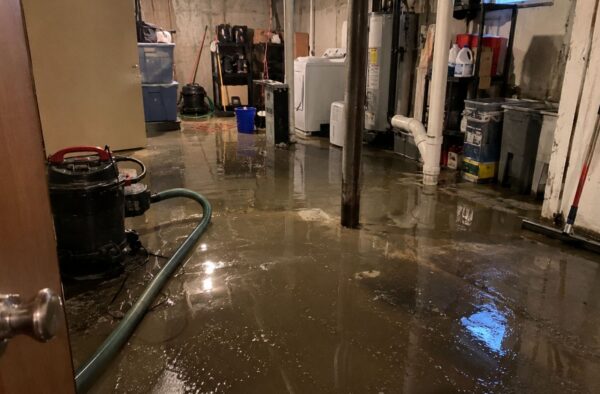
- Sewage backup into the home. This is a health hazard as well as a mess, and it often signals a main line blockage that needs immediate attention.
- No water at all, especially in freezing weather or with health needs in the home.
- An overflowing toilet that won’t stop and can’t be contained with towels or a shutoff.
- A gas smell near a water heater or gas line. Leave the house and call your gas utility’s emergency line first, then a plumber.
- A water heater failure that’s actively leaking or flooding, particularly if it’s near electrical panels or outlets.
Situations that can typically wait for a scheduled appointment:
- A slow or partially clogged drain
- A dripping faucet
- Low water pressure that’s been gradual, not sudden
- A running toilet that isn’t overflowing
What to Do Before the Plumber Arrives
Shutting off your water supply is the single most effective thing you can do before help arrives, and it can turn a disaster into a manageable wait. Know your main shutoff valve location before you need it — usually near where the water line enters the house, in the basement or a utility closet in most Fairfield County homes.
Steps to take immediately:
- Shut off the water at the fixture valve if it’s isolated to one fixture, or the main shutoff if it’s a bigger leak or you’re unsure of the source.
- Cut power to any affected area if water is near outlets, switches, or panels — from the breaker, not by touching anything wet.
- Contain what you can with towels, buckets, or a wet-vac, and move valuables away from the water.
- Take photos of the damage for insurance purposes before cleanup begins.
- Call a licensed, insured plumber and describe the situation clearly — water source, whether it’s still flowing, and any electrical proximity — so dispatch can prioritize appropriately.
What Does an Emergency Plumber Cost?
Emergency plumbing rates typically run $100 to $350 per hour in 2026, compared to $80 to $130 for standard daytime service, with weeknight calls at roughly 1.5 times the base rate and weekend or holiday calls running 2 to 3 times higher (NearbyHunt). Most companies also charge a separate service call or dispatch fee, typically $150 to $250 for standard emergency calls.
| Time of Call | Typical Rate Multiplier | Hourly Rate Range |
|---|---|---|
| Standard business hours | 1x | $80 – $130 |
| Weeknight after-hours (5pm–midnight) | 1.5x | $120 – $200 |
| Late night / early morning (midnight–6am) | 2x | $160 – $260 |
| Weekend | 1.5–2x | $150 – $300 |
| Federal holidays | 2.5–3x | $200 – $450 |
(Source: NearbyHunt 2026 emergency plumber pricing data)
Total job cost also depends on the repair itself. A burst pipe repair after hours commonly runs $450 to $1,400 total including labor and materials, while clearing a sewage backup after hours typically runs $400 to $1,200 (NearbyHunt). These numbers reflect national data; ask any plumber you call for their specific after-hours rate structure and whether the dispatch fee credits toward the final bill.
Why Emergencies Spike in Connecticut Summers
Summer thunderstorms are one of the biggest drivers of emergency calls we see across Fairfield County, from sump pump failures during heavy rain to sewer backups when tree roots and storm inflow overwhelm older clay pipe. Power outages during storms also knock out sump pumps and well pump systems at exactly the moment they’re needed most.
Older homes throughout Danbury, Ridgefield, and Newtown with original galvanized or cast-iron plumbing are more prone to sudden pipe failures under pressure swings, and homes on private wells face a different emergency profile entirely — a well pump failure means no water at all, not just a slow drain. If you’re on a well, it’s worth knowing the signs of well pump failure before you’re standing in a house with no water at 11 p.m.
How to Reduce the Chance of a Plumbing Emergency
Regular maintenance catches most plumbing failures before they become 2 a.m. emergencies. A yearly home plumbing inspection checklist covers the areas most likely to fail without warning — water heater condition, supply line connections, sump pump function, and visible pipe corrosion.
Practical prevention steps:
- Know your main water shutoff location before an emergency, not during one.
- Test your sump pump seasonally, especially before summer storm season.
- Have an aging water heater inspected annually rather than waiting for a leak.
- Address slow drains promptly before they become full blockages that back up under pressure.
- Insulate exposed pipes in unheated spaces to prevent freeze-related bursts in winter.
DIY vs. Calling a Pro During an Emergency
Shutting off water, cutting power to a wet area, and containing an active leak with towels or buckets are all safe things any homeowner should do immediately. Diagnosing and repairing the actual failure — a burst pipe, a failed water heater, sewage backup, or anything involving gas lines — is licensed-plumber work, especially under emergency conditions where a rushed DIY fix often creates a second problem on top of the first.
Frequently Asked Questions
What qualifies as a true plumbing emergency versus something that can wait?
Active water flow you can’t stop, no water in the home, sewage backup, and gas smells are true emergencies. A slow drain or dripping faucet can typically wait for a scheduled appointment.
How much more does emergency plumbing cost compared to a regular appointment?
Emergency rates run roughly 1.5 to 3 times standard daytime rates depending on the time of call, plus a separate dispatch fee in many cases. A regular daytime call averages $80 to $130 per hour versus $100 to $350 per hour for emergency service.
What should I do first if a pipe bursts in my house?
Shut off the main water valve immediately, then cut power to the area if water is near outlets or panels, and call an emergency plumber. Every minute of delay adds to the water damage.
Does All State Plumbing Pros offer 24/7 emergency service in Danbury?
Yes, we provide 24/7 emergency plumbing service across Danbury and the surrounding Fairfield County towns.
Can a plumbing emergency be covered by homeowners insurance?
Sometimes — sudden events like burst pipes from freezing are often covered, while gradual issues like corrosion or wear typically aren’t. Check your policy and document damage with photos for any claim.
How fast can an emergency plumber typically arrive?
Legitimate 24/7 plumbers generally aim to give an estimated arrival time within 15 to 30 minutes of your call, though actual arrival depends on distance and current call volume.
Need help now?
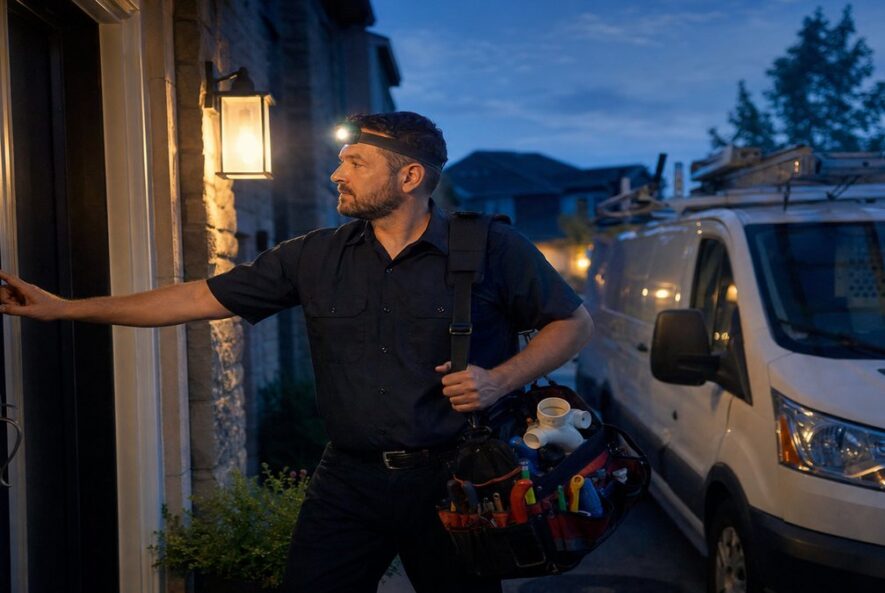
If you’re dealing with a burst pipe, sewage backup, no water, or any plumbing situation that can’t wait, call All State Plumbing Pros now. We provide 24/7 emergency plumbing service across Danbury, Bethel, Brookfield, Ridgefield, Newtown, and the rest of Fairfield County — contact us here and we’ll get a technician moving.