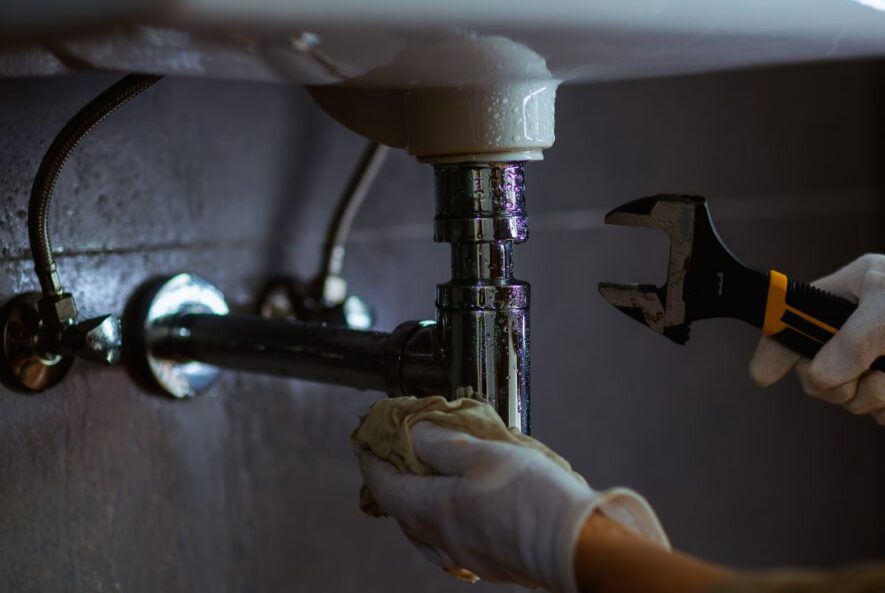
Plumbing Repair Cost: Average Prices in 2026
Plumbing repair costs can vary widely depending on the type of plumbing repair, the urgency of the plumbing issue, labor rates, material costs, and whether water damage is already involved. A simple leaking pipe under a sink may cost far less than a burst pipe behind a wall, a damaged drain line, or a sewer line issue that affects the entire house. Homeowners in Fairfield County, CT, and Westchester County, NY, often pay more than national averages because of higher labor costs, older homes, and stronger demand for emergency plumbing services during winter. Understanding common plumbing prices can help you plan, avoid surprises, and know when it makes sense to repair or replace part of your plumbing system. If you need fast service or want an estimate for a plumbing issue, All State Plumbing Pros offers 24/7 help for emergency plumbing, drain repairs, water heater issues, well pumps, residential plumbing, and commercial plumbing.
What Is the Average Plumbing Repair Cost?
The average plumbing repair cost usually falls between $150 and $500, although some simple repairs cost less and larger jobs can cost thousands. Most homeowners pay around $300 to $400 for a common plumbing repair, depending on the plumbing contractor, material costs, labor time, and the tools needed for the job.
Simple repairs such as replacing a P-trap, unclogging a bathroom drain, fixing a leaking pipe, or replacing plumbing fixtures are usually on the lower end of the range. Larger jobs involving water pipes, gas lines, sewer lines, septic systems, septic tanks, or sump pump replacement are more expensive because they take more labor, may require permits, and often involve new plumbing materials, new pipes, or access through walls and floors.
| Repair Size | Typical Cost Range |
|---|---|
| Minor repair | $100–$250 |
| Mid-range repair | $250–$750 |
| Major repair | $750–$5,000+ |
Several factors affect the total cost of a plumbing job and explain why plumbing prices vary so much between homes and locations:
- Type of plumbing issue
- Labor time and hourly rates
- Accessibility behind walls or under slabs
- Emergency or after-hours service
- Material costs
- Water damage cleanup
- Permit or inspection fees
The longer a plumbing issue is ignored, the higher the repair cost can become. A small leak behind a bathroom wall can turn into mold, drywall damage, and flooring replacement if it is not fixed quickly.
Plumber Hourly Rates and Service Call Fees
Most plumbers charge between $75 and $200 per hour, depending on the time of day, the complexity of the plumbing jobs, and the plumber’s experience level. Service call fees often range from $50 to $200 and usually cover travel time, diagnosis, inspection, and a written estimate.
In many cases, the service call fee is separate from the labor charge, especially when plumbers charge flat rates for simple repairs and hourly rates for larger jobs. Some plumbers charge flat rates for simple repairs, while others bill by the hour. A master plumber or licensed plumber with advanced training may charge more than a handyman, local plumber, or entry-level plumbing contractor, but higher skill levels often lead to faster, more accurate repairs.
| Time of Service | Typical Hourly Rate |
|---|---|
| Standard weekday hours | $75–$150 per hour |
| Evenings and weekends | $125–$250 per hour |
| Emergency or holiday service | $150–$400 per hour |
Service call fees may include:
- Travel time
- Basic inspection
- Diagnosis of the plumbing issue
- Minor adjustments
- A written estimate or a free estimate, in some cases
Homeowners in Danbury, Ridgefield, and Westchester County often pay slightly more than national averages because of higher labor rates, older plumbing systems, and the age of many homes in the area. Older plumbing systems may have outdated pipes, hard-to-access drain lines, or plumbing fixtures that take longer to repair.
Common Plumbing Repair Costs by Type
Some plumbing repairs are affordable, while others are major investments. Drain repairs, toilet fixes, and small leaks are often manageable, but sewer line problems, water heater replacement, and burst pipes can become expensive quickly.
| Plumbing Repair | Typical Cost Range |
|---|---|
| Faucet leak repair | $100–$350 |
| Toilet repair | $100–$300 |
| Drain cleaning | $125–$300 |
| Garbage disposal repair | $150–$400 |
| Water heater repair | $150–$700 |
| Water heater replacement | $1,000–$3,500 |
| Burst pipe repair | $500–$2,000+ |
| Sewer line repair | $2,000–$5,000+ |
| Well pump repair | $300–$1,500 |
| Well pump replacement | $1,000–$3,000+ |
| Sump pump repair | $150–$600 |
| Main water line repair | $500–$4,000+ |
Drain cleaning and drain repairs are some of the most common plumbing services because many homeowners deal with slow drains, grease buildup, or clogs in bathroom sinks, kitchen drains, and other plumbing fixtures. Small drain repairs are usually affordable, but deeper drain line issues or sewer line problems cost more because they often require camera inspections or hydro jetting.
Water heater problems can also vary in cost depending on whether the unit needs a simple repair, a new installation, or a full replacement. If your water heater is making strange noises, leaking, or not producing enough hot water, the repair may still be affordable if the issue is caught early, before replacement becomes necessary. Older units that continue to fail often cost less to replace than to repair repeatedly.
For homeowners with well water, well pump, and septic system repairs can add another layer of cost because these jobs often involve larger equipment and longer labor times. These systems often require specialized tools, larger equipment, and more labor than a typical plumbing repair.
If you are dealing with recurring clogs, sewer line issues, or slow drains, All State Plumbing Pros offers drain cleaning and repair services that can help prevent larger problems later.
What Affects Plumbing Repair Cost?
Plumbing repair cost depends on much more than the repair itself. Labor, materials, timing, accessibility, and hidden damage can all increase the final bill.
One of the biggest factors affecting repair cost is accessibility and location. A leaking pipe under a sink is much easier to fix than a broken pipe behind drywall, beneath a concrete slab, or under the entire house. Larger jobs involving crawl spaces, basements, septic tanks, or sewer lines often take longer because plumbers need to cut through walls, flooring, or landscaping to reach the problem.
Several things can increase plumbing prices:
- Emergency service after hours
- Older plumbing systems
- Hidden water damage
- Difficult access behind walls or under floors
- Permit fees
- Specialized equipment
- Mold cleanup or drywall replacement
- Replacement of new pipes instead of small repairs
Material costs also make a difference in the total cost of the project. Copper pipes cost more than PVC, and replacing old pipes with new pipes often increases the final bill. Tankless water heater parts are often more expensive than traditional water heater parts. Sewer camera inspections, hydro jetting, and specialized drain line equipment can also raise project costs.
Hidden costs are another issue many homeowners overlook. A plumbing contractor may repair the actual leak, but you may still need to pay for drywall repair, flooring replacement, mold remediation, painting, or cleanup.
Emergency Plumbing Costs vs Scheduled Service
Emergency plumbing costs are usually much higher than scheduled service because plumbers must respond immediately, often outside normal business hours, weekends, or holidays. Emergency plumbing service can cost 50% to 100% more than a standard weekday appointment.
A leaking pipe during the day may cost a few hundred dollars to repair, but the same fix at night may lead to higher costs because of emergency hourly rates. The same repair on a holiday weekend could cost much more because of after-hours labor rates and emergency service call fees.
| Service Type | Typical Cost |
|---|---|
| Scheduled weekday service | $150–$500 |
| Evening or weekend emergency | $300–$800 |
| Holiday or overnight emergency | $500–$1,500+ |
Common plumbing emergencies include:
- Burst pipe
- Sewer line backup
- Overflowing toilet
- Frozen pipe
- No hot water
- Failed sump pump
- Well pump failure
- Water near electrical systems
These problems often become emergencies because waiting can lead to costly water damage, ruined flooring, damaged furniture, or mold growth. All State Plumbing Pros offers 24/7 emergency plumbing service across Connecticut and New York to help homeowners avoid bigger repair bills.
Repair vs Replacement: Which Costs More?
In some cases, replacing an old plumbing fixture, water heater, or section of the plumbing system is cheaper over time than paying for repeated repairs. The best choice depends on the age of the equipment, the repair cost, the total cost of repeated fixes, and how often the problem returns.
For example, repairing a leaking water heater may make sense if the unit is only a few years old and the issue is small. But if the water heater is older, making strange noises, leaking repeatedly, or no longer producing enough hot water, replacement may be the better investment.
| Item | Repair Cost | Replacement Cost |
|---|---|---|
| Water heater | $150–$700 | $1,000–$3,500 |
| Well pump | $300–$1,500 | $1,000–$3,000+ |
| Small pipe section | $150–$500 | $5,000 |
| Toilet | $100–$300 | $300–$800 |
Replacement usually makes more sense when:
- The repair is more than half the cost of replacement
- The item is near the end of its lifespan
- Repairs keep happening repeatedly
- Efficiency is declining
- Parts are hard to find
This is especially true for water heaters, sump pumps, plumbing fixtures, and older plumbing systems in older homes.
How Delaying Plumbing Repairs Can Increase Costs
Small plumbing problems often become more expensive when they are ignored. A small leak, clog, or drop in water pressure may not seem urgent at first, but these issues can lead to major repair costs if they are left untreated.
A leaking pipe behind a wall may start as a simple repair. If ignored, it can damage drywall, flooring, insulation, and paint. A slow drain can become a full sewer line backup. A weak sump pump can fail during heavy rain and flood a basement.
Here are a few examples of how a small plumbing issue can turn into a larger problem:
- A dripping pipe becomes moldy and requires drywall replacement
- A small drain clog becomes a sewer line repair
- Weak water heater becomes a full replacement
- Frozen pipe becomes a burst pipe, and emergency service
- Low water pressure becomes a larger water line repair
This is especially important in New Milford, Wilton, and other parts of Connecticut, where frozen pipes are common during winter. Acting early usually saves money because the plumber can fix the issue before water damage spreads.
How to Save Money on Plumbing Repairs
The best way to save money on plumbing repair costs is to catch small problems early, schedule maintenance, and avoid emergency calls whenever possible. Preventive maintenance often costs far less than emergency service.
Homeowners can reduce plumbing costs by taking a few simple steps throughout the year.
- Fix leaking pipes quickly
- Schedule drain cleaning before clogs get worse
- Flush the water heater once a year
- Insulate water pipes during winter
- Avoid chemical drain cleaners
- Monitor water pressure
- Keep maintenance records
- Schedule annual plumbing inspections
Preventive maintenance helps plumbing systems work properly, reduces the chance of larger jobs later, and may lower the amount homeowners pay over time. It also helps extend the lifespan of plumbing fixtures, water heaters, sump pumps, and other parts of the home.
If you own an older house, regular inspections are especially important because older pipes, drain lines, plumbing fixtures, gas lines, and water pipes are more likely to fail.
Conclusion
Plumbing repair cost depends on the type of repair, labor, materials, accessibility, and whether the issue requires emergency service. Small repairs, such as leaking pipes or clogged drains, are usually affordable, while burst pipes, sewer line issues, well pump problems, and water heater replacement can become much more expensive. Acting early is one of the best ways to avoid costly water damage, mold, flooring damage, and emergency service fees. All State Plumbing Pros provides emergency plumbing, drain cleaning, water heater repair, well pump service, residential plumbing, and commercial plumbing throughout Fairfield County and Westchester County, helping homeowners get fast, dependable repairs when they need them most.
If you are dealing with a leaking pipe, water heater problem, sewer backup, frozen pipe, or another plumbing issue, do not wait for the damage to get worse. Small plumbing problems can quickly turn into costly repairs when they lead to water damage, mold, flooring damage, or emergency service calls. All State Plumbing Pros provides 24/7 plumbing services across Connecticut and New York, helping homeowners with drain repairs, water heater service, burst pipes, well pump issues, and emergency plumbing needs. From simple repairs to full plumbing system replacements, their licensed technicians deliver dependable service that helps protect your home and avoid larger repair bills. Contact All State Plumbing Pros today to schedule a plumbing inspection or estimate you can trust.
FAQs
What do local plumbers charge per hour?
Most local plumbers charge between $75 and $200 per hour, although emergency service, weekend appointments, and holiday repairs often cost more. Master plumbers and highly experienced plumbing contractors may also charge higher hourly rates.
Is it normal for a plumber to charge for a quote?
Yes, many plumbers charge a service call fee or diagnostic fee before starting work. This fee often covers travel time, inspection, and diagnosis, although some companies offer free estimates for larger plumbing jobs.
What is the 135 rule for plumbing?
The 135 rule is not a common pricing rule used in residential plumbing. People sometimes use the term in relation to pipe fitting angles or code requirements, but it is not something homeowners usually need to worry about when comparing plumbing repair costs.
What is the normal pressure for plumbing?
Most homes should have water pressure between 40 and 60 PSI. Pressure above 80 PSI can put extra strain on pipes, plumbing fixtures, and water heaters, while very low pressure may point to a leak, clog, or larger plumbing issue.