Reduce Water Usage in Commercial Buildings Guide
Reducing water usage in commercial buildings is one of the most effective ways to control operating costs, improve system efficiency, and prevent long-term plumbing issues. For property owners and facility managers across Fairfield County, CT, and Westchester County, NY, rising water bills are often a sign of hidden inefficiencies within the plumbing system rather than just increased usage.
Many commercial buildings waste water through unnoticed leaks, outdated fixtures, or poorly balanced systems. These issues don’t just increase utility costs. They also place extra strain on pipes, drains, and water heaters, leading to more frequent repairs and potential downtime. Addressing these problems early helps protect both the building and daily operations.
If your property is experiencing rising water usage or recurring plumbing issues, working with a trusted provider like All State Plumbing Pros can help identify inefficiencies and provide practical solutions. From inspections to system upgrades, taking action now helps prevent larger problems later.
What Does It Mean to Reduce Water Usage in Commercial Buildings?
Reducing water usage in commercial buildings means minimizing unnecessary water waste caused by inefficient plumbing systems, leaks, outdated fixtures, and operational habits that lead to excessive consumption. It focuses on improving how water flows through the system, rather than simply using less.
In a commercial setting, water efficiency is not just about conservation. It is about system performance. Buildings with optimized plumbing systems use water more effectively, reduce wear on equipment, and lower operational costs. This includes everything from maintaining proper water pressure to ensuring fixtures operate efficiently.
When water usage is reduced correctly, it leads to measurable benefits. Lower utility bills, fewer emergency repairs, and improved reliability are all outcomes of a well-managed plumbing system. This makes water efficiency a practical investment rather than just a sustainability goal.
What Uses the Most Water in Commercial Buildings?
Understanding where water is used most is the first step in reducing overall consumption. In most commercial properties, a significant portion of water usage comes from a few key areas that are often overlooked.
Water use is typically concentrated in restrooms, kitchens, and mechanical systems. According to industry data, restroom fixtures alone can account for nearly one-third of a building’s total water usage. This makes them one of the most important areas to evaluate during any water reduction effort.
Top Water Consumption Sources
- Restrooms, including toilets, urinals, and sinks
- Kitchens and breakrooms with high daily usage
- Cooling systems and mechanical equipment
- Irrigation systems for landscaping
- Hidden leaks in pipes and fixtures
These areas represent the highest potential for savings. By focusing on these systems first, property owners can make meaningful reductions without disrupting operations.
Common Causes of Water Waste in Commercial Plumbing Systems
Water waste in commercial buildings is often caused by plumbing system inefficiencies rather than user behavior. Even well-managed properties can experience excessive water usage if underlying issues are not addressed.
Many of these problems develop gradually. Small leaks, pressure imbalances, or aging components may not be noticeable at first but can significantly increase water consumption over time. Identifying these causes early is key to preventing long-term damage and unnecessary costs.
Main Causes of Water Waste
- Undetected leaks in pipes, valves, or fixtures
- Excessively high water pressure
- Outdated or inefficient plumbing fixtures
- Drainage issues requiring repeated flushing
- Aging infrastructure that reduces system efficiency
These issues not only waste water but also increase the likelihood of system failures. Addressing them early helps maintain consistent performance and reduces the need for emergency repairs.
How to Reduce Water Usage in Commercial Buildings (Step-by-Step)
Reducing water usage requires a structured approach that focuses on identifying inefficiencies, improving system performance, and maintaining consistent monitoring. Taking a step-by-step approach ensures that no major source of waste is overlooked.
Each step builds on the previous one. By combining immediate fixes with long-term improvements, businesses can create a sustainable water management strategy that delivers both short-term savings and long-term reliability.
Step 1: Conduct a Water Usage Audit
Start by reviewing water bills and identifying patterns. Look for sudden increases or irregular usage that may indicate leaks or inefficiencies.
Step 2: Fix Leaks Immediately
Even small leaks can waste significant amounts of water over time. Addressing leaks early prevents both water loss and potential property damage.
Step 3: Upgrade to Water-Efficient Fixtures
Replacing older fixtures with low-flow toilets, faucets, and urinals can significantly reduce water usage without affecting performance.
Step 4: Optimize Water Pressure
Excess pressure increases water consumption and accelerates wear on plumbing components. Proper regulation improves efficiency and system lifespan.
Step 5: Install Monitoring Systems
Smart meters and monitoring tools help track usage in real time, making it easier to detect problems early.
Step 6: Schedule Regular Plumbing Inspections
Routine inspections help identify hidden issues and ensure all components are working efficiently.
For businesses that want accurate results and long-term improvements, professional support from All State Plumbing Pros can help ensure that each step is handled correctly and efficiently.
Quick Wins vs. Long-Term Upgrades
Not all water reduction strategies require major investments. Some improvements can be implemented quickly, while others involve more significant upgrades that deliver long-term benefits.
Understanding the difference helps property owners prioritize actions based on budget, urgency, and overall impact. This approach ensures that resources are used effectively while still achieving meaningful results.
| Quick Wins | Long-Term Improvements |
| Fix visible leaks | Replace aging piping systems |
| Install faucet aerators | Upgrade to water-efficient fixtures |
| Adjust water pressure | Install smart monitoring systems |
Quick wins provide immediate savings, while long-term upgrades improve overall system performance and reliability. Combining both approaches creates a balanced and effective strategy.
How a Plumbing Inspection Helps Reduce Water Usage
A professional plumbing inspection is one of the most effective ways to identify hidden inefficiencies and reduce water usage in commercial buildings. Inspections go beyond surface-level checks and provide a detailed evaluation of the entire system.
During an inspection, professionals assess key components such as pipes, valves, drains, and water heaters. They also identify pressure issues, leaks, and performance problems that may not be visible during routine checks. This level of detail allows for more accurate diagnosis and targeted solutions.
Scheduling regular inspections helps prevent small issues from becoming larger problems. It also ensures that all parts of the system are operating efficiently, reducing both water waste and maintenance costs over time.
Signs Your Commercial Building Is Wasting Water
Recognizing the early signs of water waste can help prevent more serious problems. Many issues develop gradually, so it is important to pay attention to changes in system performance.
Certain warning signs indicate that your plumbing system may not be operating efficiently. Addressing these issues quickly can help avoid higher costs and potential damage.
- Sudden increase in water bills
- Inconsistent or low water pressure
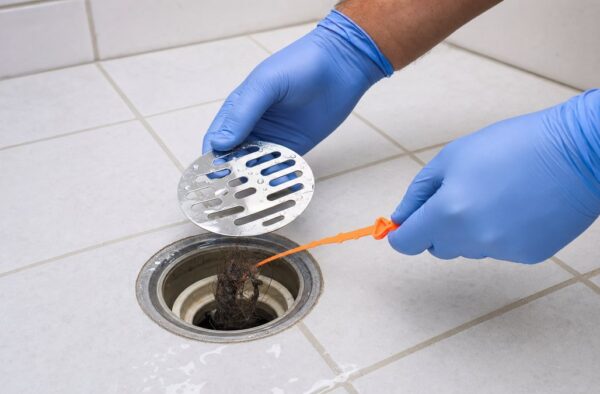
- Frequent drain clogs
- Visible water stains or moisture
- Continuous running fixtures
These signs often point to underlying issues that require professional attention. Ignoring them can lead to more extensive repairs and operational disruptions.
Water Reduction Strategies by Property Type
Different commercial properties have unique water usage patterns. Tailoring strategies to each type of building helps maximize efficiency and ensure that solutions are relevant.
Office buildings typically focus on restroom efficiency and consistent water pressure. Restaurants require more attention to kitchen usage and drainage systems. Retail spaces often have lower overall usage but still benefit from leak detection and fixture upgrades. Multi-unit properties must manage system-wide performance to ensure consistent water delivery across all units.
Understanding these differences allows property owners to implement targeted solutions that address the specific needs of their building.
Benefits of Reducing Water Usage in Commercial Buildings
Reducing water usage offers both immediate and long-term benefits for commercial properties. While cost savings are often the primary motivation, improved system performance and reliability are equally important.
Lower water usage reduces utility expenses and minimizes strain on plumbing systems. This leads to fewer repairs, longer equipment lifespan, and more consistent performance. It also supports compliance with sustainability goals and regulatory requirements.
For businesses, these benefits translate into better operational efficiency and reduced risk. A well-maintained plumbing system is essential for maintaining a safe and functional environment.
Conclusion
Reducing water usage in commercial buildings is not just about cutting costs. It is about improving system performance, preventing avoidable issues, and creating a more reliable plumbing infrastructure. By addressing common sources of waste, upgrading fixtures, and maintaining regular inspections, businesses can significantly reduce water consumption while protecting their property and operations. For property owners and managers in Fairfield County, CT, and Westchester County, NY, taking a proactive approach to water management helps ensure long-term efficiency and consistent performance across all plumbing systems.
If rising water bills, hidden leaks, or inefficient plumbing systems are starting to increase your operating costs, it’s important to address the issue before it leads to larger repairs or disruptions. At All State Plumbing Pros, our licensed specialists are available 24/7 to help businesses across Connecticut and New York identify water waste, improve system efficiency, and prevent costly breakdowns. From detailed plumbing inspections and leak detection to water pressure adjustments, fixture upgrades, drain cleaning, and full commercial system diagnostics, contact us today for fast, dependable service that keeps your property efficient, protected, and running smoothly.
FAQs
What are some strategies that can be used to reduce water use in commercial buildings?
Strategies include fixing leaks, upgrading fixtures, optimizing water pressure, and monitoring system performance. These steps help reduce waste and improve efficiency. Regular inspections also play a key role in identifying hidden issues.
How to reduce water usage in buildings?
Reducing water usage starts with identifying inefficiencies through audits and inspections. Upgrading fixtures and maintaining plumbing systems helps prevent waste. Consistent monitoring ensures long-term results.
How can businesses reduce water usage?
Businesses can reduce water usage by improving plumbing system performance and addressing inefficiencies. This includes repairing leaks, upgrading equipment, and scheduling regular inspections. Professional services can provide additional insights and solutions.
What are 5 ways to reduce water usage?
Five effective ways include fixing leaks, installing efficient fixtures, adjusting water pressure, monitoring usage, and performing regular inspections. These actions work together to reduce consumption and improve system reliability.