Plumbing Safety Tips Every Homeowner Should Know
Plumbing safety tips help homeowners and property owners avoid injuries, water damage, mold growth, and expensive repairs. In homes and commercial buildings across Fairfield County, CT, and Westchester County, NY, even a small leak or clog can create bigger risks when electricity, hot water, harsh chemicals, or raw sewage are involved. Knowing what is safe to handle yourself and what needs licensed plumbing professionals can make all the difference. If you are dealing with a dangerous leak, backup, or equipment failure, All State Plumbing Pros is available 24/7 for urgent plumbing problems.
Why Plumbing Safety Matters at Home and at Work
Plumbing work can expose people to electric shock, hot water burns, chemical splashes, mold, sewage, and slip hazards. These potential hazards affect both trained workers and property owners, especially when repairs happen in a wet environment, around hot equipment parts, or near hidden contamination.
Many plumbing accidents start with a problem that looks minor. A slow leak can soak drywall and flooring. A backed-up drain can expose people to raw sewage and sewage pipes. A water heater leak can create both flooding and burn risks. In older buildings, plumbing work can also uncover mold, lead paint, contaminated soil, or hazardous substances that need special handling.
For homeowners in Danbury, New Milford, Ridgefield, Wilton, and nearby areas, winter adds another layer of risk. Frozen pipes, wet basements, and failing hot water systems can turn a small issue into an emergency fast. That is why good plumbing safety is not only about tools and equipment. It is also about knowing when to stop and call for help.
Common plumbing hazards to watch for
Before you touch a pipe or fixture, it helps to understand the most common risks. Most plumbing injuries happen because people underestimate the work area, ignore safety procedures, or rush into repairs without shutting off utilities.
- Electric shock from water near outlets, appliances, or a metal pipe
- Burns from hot pipes, steam lines, or hot equipment parts
- Slips and falls in a wet environment
- Chemical exposure from harsh chemicals and hazardous substances
- Mold and raw sewage exposure
- Strains from heavy objects, awkward positions, and repetitive manual tasks
- Cuts from cutting equipment, sharp edges, hand tools, and power tools
- Eye injuries from flying particles and unprotected eyes
Shut Off Water Before Starting Any Plumbing Repair
The safest first step before any plumbing repair is shutting off the water supply. This reduces the risk of flooding, limits damage, and gives you more control if a pipe, valve, or fixture fails during the repair.
Many homeowners do not think about their main shut-off valve until they have an emergency. That is too late. Everyone in the building should know where the shut-off is located and how to use it. In most homes, the main water shut-off is in the basement, crawl space, utility room, garage, or near the water meter. Commercial properties may have more than one control point depending on the plumbing systems in the building.
When to turn off the water immediately
There are several situations where turning off the water should happen first, before you reach for tools.
- Burst pipe
- Overflowing toilet
- Water heater leak
- Broken supply line
- Large sink or fixture leak
- Major drain backup with water overflow
Three steps to shut off water safely
- Find the nearest shut-off valve. If the problem is local, such as a sink or toilet, use the fixture valve first.
- Turn off the main water supply if needed. This is the best option for burst pipes or large leaks.
- Open a nearby faucet after the shut-off. This helps relieve remaining pressure in the line.
Keep the shut-off area clear. Do not block it with storage bins, shelving, or equipment. In commercial spaces, label shut-off points so staff can respond quickly during an emergency.
Wear the Right Safety Gear During Plumbing Work
Basic personal protective equipment protects against cuts, burns, splashes, mold, sewage, and flying particles. Even minor repairs can become unsafe when you work in a wet environment or around hazardous substances.
Competitor articles focus heavily on personal protective equipment, and they are right to do so. The difference is that homeowners need the same simple guidance in plain language. You do not need a full job site setup for every repair, but you do need the required personal protective equipment that matches the task.
Essential plumbing safety gear
The right gear depends on the repair, but these basics cover the most common plumbing work around the home or small business.
- Rubber gloves or waterproof gloves to protect skin from dirty water, harsh chemicals, and rough plumbing materials
- Safety goggles or eye protection to reduce the risk of eye injuries from splashes and flying particles
- Slip-resistant shoes with a non-slip sole and protective toe box
- Rubber boots for wet floors and flooded spaces
- Long sleeves, work clothes, and other clothing that cover exposed skin
- Mask or respirator when mold, rodent droppings, sewage, or contaminated debris may be present
- Heat-insulating gloves if you are working near hot pipes or hot water
- Hard hats for work in confined spaces or low-clearance commercial areas
Plumbing task vs. recommended safety gear
| Plumbing task | Recommended safety gear |
|---|---|
| Minor sink or faucet repair | Gloves, eye protection, slip-resistant shoes |
| Drain cleaning | Gloves, goggles, work clothes |
| Sewer or raw sewage exposure | Waterproof gloves, goggles, rubber boots, mask |
| Water heater inspection | Gloves, eye protection, heat-insulating gloves |
| Well pump or flooded utility room issue | Gloves, boots, and eye protection. Do not proceed near live electricity |
When work involves drain cleaning, sewage pipes, or standing water, safety gear matters even more because exposure and contamination risks rise quickly.
Watch for Electrical Hazards Around Water
Water and electricity are a dangerous combination. Plumbing work near outlets, wiring, appliances, or metal pipes can increase the risk of electric shock or electrocution, especially in basements, utility rooms, confined spaces, and crawl spaces.
A ground-fault circuit interrupter, or GFCI, is an important safety feature because it can shut off electric power very quickly during a fault. If a person feels tingling when touching a metal pipe, work should stop immediately because the pipe may be carrying current.
High-risk plumbing situations near electricity
Some plumbing problems are far more dangerous than they look. Use extra caution in these situations:
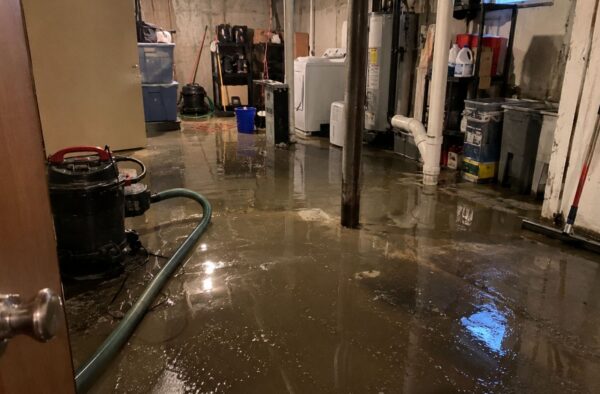
- Flooded basement
- Water heater leak near wiring
- Wet utility room
- Sump pump failure
- Well pump issue
- Standing water near appliances or outlets
- Exposed wires near plumbing fixtures
If you see standing water near electrical equipment, do not step into it. Do not touch switches, cords, or appliances in the area. This is one of the clearest times to stop DIY work.
Be Careful with Chemical Drain Cleaners
Chemical drain cleaners can burn skin, damage eyes, release fumes, and corrode some plumbing materials. They may also worsen a clog if the blockage does not clear and the chemical remains sitting in the pipe.
This is one area where many homeowners take risks without realizing it. It is common to pour one cleaner into a drain, see no result, then try a second product. That can trigger a dangerous reaction because of the chemical properties in the products. Harsh chemicals can also sit in drain pipes and splash back during later work.
Safer options for minor clogs
- Plunger
- Hand drain snake
- Hot water and dish soap for grease-related buildup
- Removing visible hair or debris from the drain opening
Chemical drain cleaner vs. professional drain cleaning
| Option | Best for | Main risk |
|---|---|---|
| Chemical drain cleaner | Occasional light buildup | Burns, fumes, pipe damage |
| Professional drain cleaning | Recurring clogs, backups, and multiple slow drains | Far lower risk when handled by trained professionals |
If you notice repeated backups, foul smells, or multiple clogged fixtures, that points to a larger issue in the plumbing systems. In that case, professional drain cleaning is usually safer and more effective than repeated chemical use.
Prevent Slips, Falls, Burns, and Mold Exposure
Wet floors, hot water, steam, and hidden moisture are some of the most common plumbing dangers in homes and commercial properties. Good cleanup habits and fast leak response reduce both injury risk and long-term property damage.
Slip hazards are simple but serious. A leak under a sink, around a water heater, or near a clogged drain can leave tile, concrete, or laminate floors dangerously slick. Burns are also common around hot pipes, hot equipment parts, and steam lines.
Warning signs after a leak
- Musty smell
- Discoloration on walls or ceilings
- Peeling paint
- Warped flooring
- Visible mold growth
- Persistent dampness
Take a quick break during large repair jobs to reduce fatigue and avoid musculoskeletal injuries. Safe lifting techniques and proper lifting techniques are also important when moving heavy objects such as water heaters, sump pumps, or plumbing fixtures.
Stay Safe Around Water Heaters, Boilers, and Well Pumps
Water heaters, boilers, and well pumps can create burn, pressure, gas, and electrical risks if they are not maintained properly. These plumbing systems should be treated with caution because they combine water, power, temperature, and pressure in one place.
A water heater may show warning signs before it fails, including rust-colored water, leaking around the base, strange sounds, and inconsistent hot water. Boilers can raise another concern: carbon monoxide.
Safety tips for these systems
- Keep flammable items away from water heaters and boilers
- Watch for leaks, rust, or unusual smells
- Do not ignore pressure problems or inconsistent hot water
- Avoid opening or handling electrical components on a well pump
- Schedule service when performance changes
- Keep work areas clear around water heaters and boilers
- Use good ventilation when working near gas-powered equipment
Know Which Plumbing Jobs Are Safe to DIY
Some plumbing jobs are reasonable for homeowners. Others should always be handled by a licensed plumber. The key is to judge the risk, not just the size of the repair.
Simple jobs with low pressure, low heat, and no electrical involvement are often manageable. But once the work touches sewage, gas, major water supply lines, well systems, or hot water equipment, the potential dangers go up.
Safe DIY plumbing jobs vs. jobs that need a professional
| Usually safe for DIY | Usually needs a licensed plumber |
|---|---|
| Replacing a shower head | Water heater installation or repair |
| Tightening a loose supply connection | Sewer line repair |
| Replacing a faucet aerator | Well pump repair |
| Using a plunger on a simple clog | Burst pipe repair |
| Turning fixture shut-off valves on or off | Major drain backup |
| Cleaning around accessible drains | Commercial plumbing repairs |
Stop DIY work right away if you notice:
- Water near electrical systems
- Raw sewage
- Strong gas smell
- Heavy leaking or flooding
- No water pressure throughout the building
- Frozen or burst pipes
- Signs of contamination, mold, or damaged building materials
- Open wounds that could be exposed to dirty water
Plumbing Safety Tips for Winter in Connecticut and New York
Freezing temperatures can cause pipes to burst, reduce water flow, and put extra strain on plumbing systems. Winter plumbing safety is especially important in Connecticut and New York, where unheated basements, crawl spaces, garages, and exterior walls are more vulnerable.
How to reduce winter plumbing risk
- Insulate exposed pipes
- Disconnect outdoor hoses
- Keep indoor temperatures steady
- Open cabinet doors to warm pipes on exterior walls
- Let faucets drip during extreme temperatures
- Address drafts near plumbing lines
Signs a pipe may be frozen
- Little or no water flow
- Frost on the exposed pipe
- Bulging pipe sections
- Unusual smells from drains or faucets
When to Call an Emergency Plumber
A plumbing emergency is any issue that puts people, property, or health at immediate risk. That includes flooding, sewage backup, no water service, major leaks, burst pipes, and water problems near electricity.
Signs you need help right away
- Burst pipe
- Sewage backup
- The water heater is leaking heavily
- Overflowing toilet that will not stop
- Flooding in a basement or utility room
- Loss of water from a failed well pump
- Water near outlets, panels, or appliances
For homes and businesses in Fairfield County and Westchester County, a quick response can prevent a plumbing issue from becoming a restoration project.
Conclusion
Plumbing safety tips can help protect your home, business, and family from leaks, flooding, mold, burns, sewage exposure, and electrical hazards. Even simple plumbing tasks can become dangerous when water, heat, pressure, or harsh chemicals are involved. Knowing where your shut-off valve is, using the right personal protective equipment, keeping work areas clear, and recognizing when a repair is too risky to handle yourself can reduce injuries and prevent costly property damage. For homeowners in Fairfield County and Westchester County, staying ahead of plumbing issues is especially important during winter, when frozen pipes and water heater problems become more common.
If you are dealing with burst pipes, dangerous leaks, sewage backups, water heater problems, or other plumbing safety concerns, do not wait for the issue to get worse. Small plumbing problems can quickly lead to water damage, mold growth, electrical hazards, and expensive repairs when they are not handled properly. All State Plumbing Pros provides 24/7 plumbing services across Connecticut and New York, helping homeowners and businesses stay safe during plumbing emergencies, frozen pipes, water heater failures, drain clogs, and well pump issues. From emergency repairs to full plumbing system inspections, their licensed technicians deliver dependable service that protects your property and restores peace of mind. Contact All State Plumbing Pros today to schedule plumbing service you can trust.
FAQs
What are the safety precautions for plumbing?
The main safety precautions for plumbing are shutting off the water first, wearing proper personal protective equipment, keeping work areas clear, and avoiding contact between water and electricity. It is also smart to wash hands after repairs, avoid exposure to raw sewage, and stay away from harsh chemicals unless you have the right training and equipment.
What are the 7 basic safety rules?
A simple set of seven basic rules is: turn off the water, watch for electrical hazards, wear gloves and eye protection, keep floors dry, use the right tools, avoid harsh chemical misuse, and stop when a repair goes beyond safe DIY work. These rules help reduce the most common plumbing injuries and property damage risks.
What is the 135 rule in plumbing?
The 135 rule is not a standard homeowner plumbing safety rule, and people often use the term in different trade or code contexts. The safer approach is to follow plumbing safety standards, manufacturer instructions, and local code requirements for every job.
What are the 10 basic safety rules?
Ten solid plumbing safety rules are: know your shut-off valve, shut off the water before repairs, wear gloves, protect your eyes, use slip-resistant footwear, keep electricity away from water, avoid mixing drain chemicals, handle hot equipment carefully, lift heavy objects safely, and call a licensed plumber for high-risk work.