Brown Water From Faucet? Causes and Fixes
Brown water from the faucet is a common but concerning issue for homeowners and businesses. If your tap water suddenly turns brown, it can signal anything from minor sediment buildup to serious plumbing system problems. In areas like Fairfield County, CT, and Westchester County, NY, aging infrastructure, galvanized steel pipes, and changes in the municipal water supply can all affect water clarity and overall water quality.
While some cases of brown water are temporary and clear within a few hours, others point to deeper issues inside your home’s plumbing system or water supply. Understanding what causes brown water and how to fix it helps you protect your drinking water, your appliances, and your property. If brown water persists or appears alongside pressure issues, it’s important to act quickly. Homeowners across Danbury, Ridgefield, and nearby areas often rely on a trusted All State Plumbing Pros team for fast, 24/7 support when water issues appear unexpectedly.
Why Is There Brown Water Coming From Your Faucet?
Brown water from the faucet is usually caused by rust particles, sediment buildup, or disturbances in your plumbing system or municipal water supply. When water flows through aging pipes or galvanized steel pipes, loose rust and debris can enter your tap water and cause water discoloration.
There are several common causes behind brown tap water, and identifying the source is the first step toward fixing it. In many cases, the issue may come from your home’s plumbing, while in others it may be related to the city’s water lines or recent hydrant flushing.
Before assuming the worst, it helps to understand the most common causes of brown water.
Most Common Causes of Brown Water
Brown water can come from multiple sources, depending on your plumbing system and water supply. These are the most common causes:
- Rusty pipes or aging galvanized steel pipes that release rust particles
- Sediment buildup inside water lines or fixtures
- Municipal supply disruptions, such as flushing hydrants or repairs
- Corrosion inside a water heater tank or water heater
- Well system issues, including iron bacteria or organic material
In older homes, aging infrastructure and rusted pipes often contribute to discolored water. Over time, pipe corrosion can release loose rust into your water system, turning your water brown.
Temporary vs Ongoing Issues
Not all brown water issues are the same. Some are temporary, while others indicate long-term problems.
Temporary brown water may occur after:
- Hydrant flushing or fire hydrants being used
- Municipal water system repairs
- Heavy rainfall is affecting the water table
Ongoing brown water often points to:
- Pipe corrosion within your home’s plumbing
- Sediment buildup that does not clear
- A failing water heater or well system
If your water runs brown for more than a few hours, it is likely not a temporary issue.
Is Brown Water from the Faucet Safe to Use?
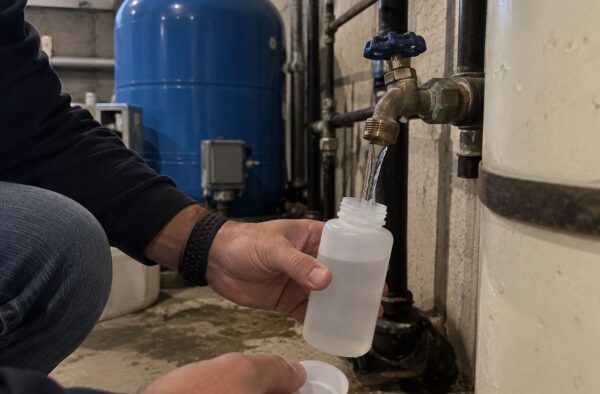
Brown water is generally not safe to drink or use until the cause is identified. While some discoloration may come from harmless sediment, it can also contain rust particles, bacteria, or other contaminants that affect water quality and create a potential health risk.
In many cases, brown water caused by municipal supply disruptions may be generally safe for short-term exposure, but it is still best to avoid drinking water until it becomes crystal clear again. Persistent discoloration increases the likelihood of other contaminants being present.
Understanding the difference between temporary and serious water issues is important for protecting your household.
When It May Be Less Serious
Some situations may lead to temporary brown water that clears quickly:
- Hydrant flushing in your area
- Minor disturbances in city water lines
- Sediment shifting in the municipal water system
If the water clears after running for a few minutes, the issue is often temporary.
When It Could Be Unsafe
Persistent discoloration may indicate more serious problems:
- Metallic taste or odor
- Brown water appears throughout the whole house
- Changes in water pressure
- Visible particles in your tap water
These signs may point to contamination or pipe corrosion that requires attention.
Should You Drink, Cook, or Shower?
It is best to avoid using brown water until it is clear:
- Drinking: Avoid drinking water
- Cooking: Use bottled water instead
- Showering: May be generally safe, but not ideal for sensitive skin
What Causes Brown Water in Different Situations?
The cause of brown water depends on where it appears in your home. Identifying whether it affects one faucet, your entire house, or only hot water helps determine if the issue is internal or related to the municipal water supply.
This diagnostic approach helps narrow down the problem quickly and prevents unnecessary repairs.
If Brown Water Is in the Whole House
When brown water appears throughout your home, it often points to an issue with the municipal water supply or city water system.
Common causes include:
- Disruptions in the municipal supply
- Repairs in the city’s water lines
- Aging infrastructure is releasing sediment
These situations are often temporary but should be monitored.
If It’s Only in One Faucet
If only one faucet produces brown water, the issue is usually localized.
Possible causes include:
- Pipe corrosion near the fixture
- Sediment buildup in that specific line
- A problem with the faucet or shower head
If Only Hot Water Is Brown
If only hot water is discolored, the water heater is likely the source. Sediment buildup inside the hot water tank or a deteriorating anode rod can cause rusty water when using hot water.
| Situation | Likely Cause | What to Do |
| Whole house | Municipal water issue | Wait or contact the utility |
| One faucet | Local pipe problem | Inspect fixture |
| Only hot water | Water heater corrosion | Service water heater |
How to Fix Brown Water from the Faucet
To fix brown water from the faucet, you must first determine its source. Some issues can be resolved quickly, while others require professional plumbing services to ensure long-term water clarity.
Start with simple steps before moving to more advanced solutions.
Step 1: Run Cold Water
Allow cold water to run for 10–15 minutes. This helps clear sediment and loose rust from the water lines.
Step 2: Check Multiple Faucets
Turn on different faucets to see if the issue is isolated or affects the whole house.
Step 3: Inspect the Water Heater
If only hot water is affected, the water heater tank may contain sediment buildup or rust. Routine maintenance, including flushing the tank, can improve water quality.
Step 4: Call a Professional Plumber
If brown water persists, a professional plumber can inspect your plumbing system, identify pipe corrosion, and recommend repairs.
When Brown Water Is a Plumbing Emergency
Brown water becomes a plumbing emergency when it appears suddenly, worsens quickly, or occurs alongside other issues like dropping water pressure or unusual system behavior. These signs may indicate serious damage within your plumbing system or well system.
Ignoring these symptoms can lead to costly repairs or water supply failure.
Warning Signs You Should Not Ignore
Certain signs require immediate attention:
- Sudden dark brown or black water
- Strong metallic smell
- Water pressure drops or fluctuates
- Faucets sputter with air
- Recurring brown water issues
Why Immediate Action Matters
Taking action quickly helps:
- Prevent pipe failure
- Protect appliances and fixtures
- Maintain safe drinking water
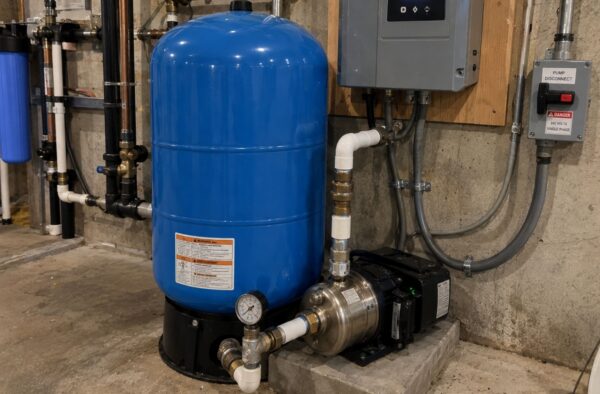
If your water pressure keeps dropping, your faucets sputter with air, or your well pump runs nonstop, don’t wait until it fails. At All State Plumbing Pros, licensed well pump specialists are available 24/7 for homeowners and businesses across Connecticut and New York. From submersible and jet pump replacements to full well system diagnostics and pressure tank inspections, fast and dependable service helps keep your water supply strong and your home protected.
Brown Water in Well Systems vs City Water
Brown water in well systems is often caused by iron, sediment, or pump-related issues, while city water discoloration typically results from disturbances in the municipal water system.
Understanding your water source helps determine the right solution.
Well Water Causes
Well systems may produce brown water due to:
- Iron bacteria or organic material
- Sediment entering the well
- Pump or pressure tank issues
City Water Causes
Municipal water systems may cause brown water through:
- Hydrant flushing
- Repairs to water lines
- Aging infrastructure
Can Brown Water Damage Your Plumbing or Appliances?
Yes, brown water can damage your plumbing system and appliances over time. Rust particles and sediment buildup can clog pipes, reduce efficiency, and shorten the lifespan of equipment like water heaters and washing machines.
Maintaining clean water helps protect your system and avoid costly repairs.
How to Prevent Brown Water Issues in the Future
Preventing brown water requires regular maintenance and proactive care. Addressing small issues early helps maintain water clarity and ensures your plumbing system operates efficiently.
- Schedule routine maintenance and inspections
- Flush your water heater regularly
- Replace aging galvanized pipes
- Install sediment filters or water softeners
- Maintain clean water lines and drains
Professional Help for Brown Water Issues in CT and Westchester
If brown water persists or keeps returning, professional service is the most reliable solution. A licensed plumber can inspect your water system, identify the cause, and recommend long-term fixes.
Homeowners in Danbury, New Milford, Ridgefield, Wilton, and throughout Westchester County benefit from working with experienced professionals who understand local water systems and infrastructure challenges. With 24/7 availability and a commitment to quality work, you can restore clean, clear water and protect your home by scheduling service with a trusted plumbing team.
Conclusion
Brown water from the faucet is a sign that something in your water system needs attention, whether it’s temporary sediment from the municipal supply or a deeper issue like pipe corrosion, sediment buildup, or a failing water heater. While some cases clear within a few hours, persistent discoloration should never be ignored, as it can affect water quality, plumbing performance, and appliance lifespan. By understanding the common causes, identifying where the problem is occurring, and taking the right steps early, homeowners can protect their water supply and maintain a safe, reliable plumbing system.
If brown water from your faucet doesn’t clear, keeps returning, or is paired with dropping water pressure, sputtering faucets, or unusual system behavior, it’s time to have your plumbing system checked. At All State Plumbing Pros, our licensed specialists are available 24/7 to help homeowners and businesses across Connecticut and New York diagnose and resolve water quality issues quickly. From inspecting pipes and water heaters to full well system diagnostics, submersible and jet pump replacements, and pressure tank inspections, contact us today for fast, dependable service that keeps your water supply clean, consistent, and your home protected.
FAQs
How to fix brown water from a faucet?
Fixing brown water starts with identifying the cause. Running cold water may clear temporary sediment, but persistent discoloration often requires inspecting pipes, water heaters, or the water supply. A professional plumber can diagnose and fix the issue.
Is brown water from a faucet safe?
Brown water is not safe for drinking or cooking until tested. It may contain rust or other contaminants that affect water quality. Avoid drinking water until it runs clear or is evaluated.
What causes brown water to come out of taps?
Brown water is typically caused by rust, sediment buildup, or disturbances in the water system. It may come from aging pipes, municipal supply issues, or water heater corrosion.
Is it normal for water to come out brown?
Temporary brown water can happen after hydrant flushing or repairs, but it should clear quickly. Persistent discoloration is not normal and usually indicates a plumbing issue.