Apartment Plumbing System: How It Works and Fixes
An apartment plumbing system is a shared network of pipes, fixtures, and vents that delivers clean water and removes wastewater across multiple units. Unlike a single-family home, everything is connected, which means one issue can quickly affect several apartments at once.
In areas like Fairfield County, CT and Westchester County, NY, many homes and buildings rely on aging infrastructure or multi-story plumbing systems. That makes understanding how your plumbing works even more important, especially when dealing with issues like low water pressure, slow drains, or unexpected leaks.
When problems escalate, fast action matters. If you’re dealing with flooding, backups, or sudden water loss, getting help from a professional emergency plumber can prevent damage from spreading to other units and reduce repair costs.
What Is an Apartment Plumbing System?
An apartment plumbing system is a centralized system of pipes, fixtures, and vents that supplies water to multiple units and removes waste through shared drainage lines. It relies on coordinated pressure, gravity, and airflow to function properly across floors and units.
Main Components of an Apartment Plumbing System
Every apartment building uses a combination of systems that work together. Understanding each part helps explain why issues happen and how they spread.
- Water Supply System: Delivers clean water from a municipal source or well to each unit through pressurized pipes.
- Drainage System: Removes wastewater through gravity, sending it into vertical stacks and eventually into the sewer system.
- Vent System: Allows air into the pipes to maintain pressure and prevent suction that can block drainage.
- Fixtures: Includes sinks, toilets, showers, and appliances connected to the system.
- Shutoff Valves: Control water flow during repairs or emergencies.
Because these components are shared across multiple units, a problem in one area can affect others, especially when it involves vertical stacks or main lines.
How an Apartment Plumbing System Works (Step-by-Step)
An apartment plumbing system works by bringing water into the building under pressure, distributing it to individual units, and then removing wastewater through gravity-driven drainage systems supported by venting.
Step-by-Step Process
Understanding the flow helps explain both normal operation and common failures.
- Water enters the building
Water comes from a municipal supply or well pump system and enters through the main line. - Pressure distributes water across floors
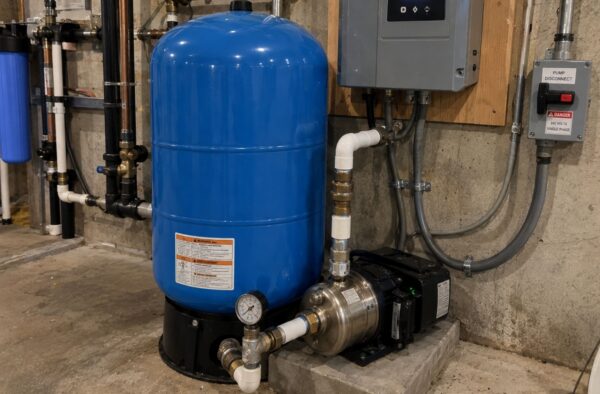
Pumps or pressure regulators ensure water reaches upper floors consistently. - Water flows through branch lines to fixtures
Pipes branch out to supply sinks, showers, toilets, and appliances in each unit. - Wastewater drains into vertical stacks
Used water flows down shared pipes known as vertical stacks using gravity. - Vent pipes maintain airflow
Vent stacks regulate pressure, allowing smooth drainage and preventing sewer gases from entering living spaces.
This system, often referred to as the DWV system (drain-waste-vent), is designed for efficiency. However, because everything is interconnected, disruptions can affect multiple units quickly.
Key Differences Between Apartment and House Plumbing
Apartment plumbing systems differ from house plumbing because they are shared across multiple units, making them more complex and more vulnerable to widespread issues.
| Feature | Apartment Plumbing | House Plumbing |
|---|---|---|
| System type | Shared | Independent |
| Risk spread | Multi-unit impact | Isolated |
| Pressure control | Centralized | Individual |
| Maintenance | Managed by building | Managed by the homeowner |
In a house, a clogged drain or leak usually affects only one space. In an apartment building, the same issue can impact multiple floors or units. This shared structure is why apartment plumbing requires faster response and professional oversight.
Common Apartment Plumbing Problems and What They Mean
Apartment plumbing problems often happen because multiple units share the same pipes, which increases wear, buildup, and pressure on the system. Recognizing these issues early helps prevent larger and more expensive repairs.
Below are the most common problems and what they typically indicate:
- Low water pressure: Often caused by system-wide demand, pipe buildup, or pressure regulation issues.
- Slow drains: Usually a sign of buildup in shared vertical stacks rather than a single unit problem.
- Recurring clogs: Indicates blockage deeper in the main drainage system.
- Leaks from ceilings or walls: Often come from plumbing in an upper unit or shared pipe damage.
- No hot water: Can point to a failing water heater system or shared supply issue.
For example, if multiple apartments experience slow drainage at the same time, the issue is likely in a shared pipe rather than inside a single unit. In these cases, professional drain cleaning services are often required to clear the system safely and prevent repeated blockages.
Who Is Responsible for Apartment Plumbing Repairs?
Responsibility for apartment plumbing repairs depends on where the issue occurs and whether it affects shared systems or individual fixtures.
In most cases, responsibility is divided as follows:
- Inside the unit: Fixtures like sinks, toilets, and faucets may fall under tenant or landlord responsibility depending on the lease.
- Shared plumbing systems: Pipes, vertical stacks, and main lines are typically handled by building management.
- Emergencies: Immediate professional help is required to prevent damage, regardless of responsibility.
Understanding this distinction is important because delays in addressing shared system issues can affect multiple units and increase repair costs.
What Causes Low Water Pressure in Apartments?
Low water pressure in apartments is usually caused by shared demand, aging pipes, or system-wide pressure issues rather than a problem within a single unit.
Several factors contribute to pressure loss:
- High water usage during peak times
- Mineral buildup or corrosion inside pipes
- Faulty pressure regulators
- Municipal supply fluctuations
In multi-story buildings, maintaining consistent pressure is challenging because water must travel vertically. If pressure suddenly drops or fluctuates, it may indicate a larger issue within the building’s plumbing system.
When to Call an Emergency Plumber
An apartment plumbing issue becomes an emergency when it risks property damage, disrupts water access, or affects multiple units at once. Quick action is critical to limit damage and restore normal function.
You should call for emergency plumbing help if you experience:
- Sudden flooding or burst pipes
- Sewage backups
- Complete loss of water
- Overflowing toilets or fixtures
- Major leaks are spreading between units
In these situations, waiting can lead to structural damage, mold growth, and higher repair costs. Immediate response from a licensed professional helps protect both your unit and neighboring apartments.
How Water Heaters Fit Into Apartment Plumbing Systems
Water heaters play a key role in apartment plumbing systems by providing hot water either centrally for the entire building or individually for each unit. The setup depends on the building design.
Some apartments rely on centralized systems, where one unit supplies hot water to multiple apartments. Others use individual water heaters inside each unit. Both setups have advantages, but they also come with unique maintenance challenges.
When hot water issues occur, they often require professional water heater repair and installation to restore consistent temperature and pressure throughout the system.
Preventive Plumbing Tips for Apartment Owners and Tenants
Preventive maintenance is one of the best ways to avoid major plumbing issues in apartment systems. Small habits can reduce strain on shared pipes and help identify problems early.
Here are simple ways to protect your plumbing:
- Avoid pouring grease or oil down drains
- Use strainers to catch debris
- Report leaks or slow drains immediately
- Monitor changes in water pressure
- Schedule routine inspections when possible
These steps help reduce buildup and prevent issues that can spread through shared plumbing systems.
Apartment Plumbing Systems in Fairfield County, CT & Westchester, NY
Apartment plumbing systems in Fairfield County, CT, and Westchester County, NY often face unique challenges due to older infrastructure, seasonal temperature changes, and high water demand.
Areas such as Danbury, New Milford, Ridgefield, and Wilton commonly experience issues like pipe corrosion, pressure fluctuations, and aging drainage systems. In Westchester County, mixed residential and commercial buildings can add additional complexity to plumbing systems.
Whether you manage a property or live in an apartment, having access to reliable residential and commercial plumbing services helps ensure problems are handled quickly and correctly.
Conclusion
An apartment plumbing system is built for efficiency, but its shared design means even small issues can affect multiple units quickly. By understanding how water supply, drainage, and vent systems work together, you can better identify early warning signs like slow drains, pressure changes, or hidden leaks. Addressing problems promptly helps prevent larger damage, protects surrounding units, and keeps the entire system functioning reliably over time.
If you’re dealing with recurring plumbing issues, low water pressure, or unexpected leaks in your apartment, All State Plumbing Pros is here to help. Our licensed plumbers serve homeowners and property managers across Connecticut and New York with reliable, 24/7 support for emergency repairs, drain cleaning, water heater service, and full-system diagnostics. Whether you’re handling a sudden plumbing problem or looking to prevent future issues, you can count on our experienced team for fast, professional solutions that keep your plumbing system running smoothly. Contact us today to get started.
FAQs
How does plumbing work in apartments?
Apartment plumbing works by delivering water through pressurized supply lines and removing waste through gravity-based drainage systems. These systems are shared across units, which means issues in one apartment can affect others. Proper venting ensures smooth flow and prevents blockages.
What are the 4 systems of plumbing?
The four main plumbing systems include the water supply system, drainage system, vent system, and fixture system. Each plays a role in delivering water, removing waste, maintaining pressure, and supporting everyday use.
What are the three types of plumbing systems?
The three main types are water supply systems, drainage systems, and venting systems. Together, they manage water flow into the building, waste removal, and airflow to keep the system functioning properly.
How are apartment drains connected?
Apartment drains are connected through vertical stacks that carry wastewater from multiple units into a main sewer line. Because of this shared setup, blockages in one section can impact several apartments at once.