
What Causes Sewer Gas Smell in House and How to Fix It
If your house smells like sewage or rotten eggs, you are likely dealing with a sewer gas issue somewhere in your plumbing system. Homeowners across Fairfield County, CT, and Westchester County, NY often notice a sewer gas smell coming from bathrooms, floor drains, laundry rooms, or sink drains, especially in older homes with aging drainage systems. Understanding what causes sewer gas smell in house situations is the first step toward protecting indoor air quality, preventing costly repairs, and resolving unpleasant odors for good.
Sewer gas odors can come from something simple, like a dry P-trap, or from serious plumbing problems such as a damaged sewer line or blocked vent. Sometimes the smell occurs briefly and fades, while in other cases it lingers and spreads. Because sewer gas leaks can pose health risks when exposure continues, it is important to identify the source early. If the smell persists or worsens, working with a licensed emergency plumber is often the safest solution. All State Plumbing Pros provides 24/7 emergency plumbing services throughout Fairfield County and Westchester County to help homeowners eliminate lingering odors and restore proper airflow inside their plumbing systems.
What Is Sewer Gas and Why Does It Smell So Strong?
Sewer gas is a collection of gases produced as waste breaks down inside the sewer system and your home’s plumbing system. These gases are meant to stay sealed inside drain pipes, plumbing vents, and sewer lines. When that seal fails, the gas smell escapes into the living areas.
The most recognizable sewer gas odor comes from hydrogen sulfide, which smells like rotten eggs. Sewer gas may also contain methane, ammonia, and carbon dioxide. When plumbing vents or water barriers fail, these gases can leak through floor drains, sink drains, toilets, and exposed pipes, creating foul odors throughout the house. While short-term exposure is usually limited to unpleasant smells, ongoing sewer gas odor should always be addressed.
Is Sewer Gas Dangerous to Your Health?
Sewer gas can pose health risks when exposure is frequent or concentrated. Mild exposure often causes headaches, dizziness, nausea, or irritation, while prolonged exposure may affect breathing and overall comfort. Methane, a component of sewer gas, is also flammable in high concentrations, making unresolved gas leaks a potential safety concern.
Most sewer gas issues start as plumbing issues rather than immediate emergencies, but the smell itself is a warning sign. If sewer odors linger, spread to other drains, or cause physical symptoms, a professional plumber should inspect the plumbing system. Addressing sewer gas leaks early helps restore proper airflow, improves indoor air quality, and reduces the risk of mold growth or sewage backup. A licensed residential plumbing inspection can confirm whether the odor is a health hazard or a correctable plumbing problem.
What Causes a Sewer Gas Smell in House?
Sewer odors almost always indicate a failure somewhere in the drainage system. Below are the most common causes plumbers encounter when diagnosing sewer gas smell problems in homes.
Dry or Empty P-Traps
P-traps are curved sections of drain pipe located under sinks, tubs, showers, and floor drains. They hold water that forms a water barrier, preventing sewer gases from entering the house. When a P-trap dries out, it allows sewer gas odor to pass freely into the home.
This commonly occurs in infrequently used drains such as basement floor drains, guest bathrooms, or laundry rooms. Dry air, heating systems, and seasonal changes can cause faster evaporation. Running water may restore the barrier temporarily, but repeated drying may point to air pressure problems elsewhere in the plumbing system or issues with plumbing vents.
Cracked or Blocked Vent Pipes
Vent pipes, also called plumbing vents, allow sewer gases to escape safely through the roof while maintaining proper airflow inside the drainage system. When vent pipes become blocked by debris, snow, or nests, pressure builds inside the sewer system and pushes gas back through drains.
Cracks, loose connections, or exposed pipes in walls or attics can also allow sewer gas leaks into living spaces. These issues often cause a sewer smell that comes and goes, especially during windy weather or sudden temperature changes. Because vent pipes are hidden, identifying a blocked vent often requires a professional smoke test performed by a licensed plumber.
Worn or Broken Toilet Wax Ring
The wax ring connects the toilet flange to the drain pipe and seals sewer gases below the toilet. Over time, the wax seal can crack, compress, or shift due to movement or loose toilets. When the wax ring breaks, sewer gas escapes around the toilet base.
Homeowners may notice foul odors, moisture, or a toilet that rocks slightly. A failed wax ring can also lead to raw sewage leakage and water damage if left unresolved, making this one of the more serious plumbing problems.
Sewer Line or Drain Pipe Blockages
Clogged pipes or a damaged sewer line can trap gases inside the sewer system. As pressure builds, sewer gas escapes through plumbing fixtures, floor drains, or other drains in the house. Tree roots, grease buildup, and corrosion in cast iron pipes are common causes of sewer line issues in older homes.
When sewer odors appear in multiple drains or are accompanied by slow drainage or sewage backup, the problem may involve the main sewer line. Professional drain cleaning or sewer camera inspections are often required to prevent sewer line backup and eliminate lingering odors.
Bacterial Growth and Plumbing Biofilm
Not all unpleasant smells come directly from sewer gas. Bacteria and biofilm can form inside drain pipes, sink drains, and other plumbing fixtures, producing a sewage odor that mimics sewer gas smell. Hot water can intensify these odors, especially if bacteria are present inside the water heater.
While baking soda and vinegar may help temporarily, recurring smells usually indicate deeper plumbing issues that require professional cleaning rather than relying on odor absorbers or commercial odor absorbers that only mask the problem.
After reviewing these causes, many homeowners realize that professional drain cleaning or a full plumbing inspection is the most effective way to eliminate lingering odors and prevent sewer gases from returning.
Why Sewer Gas Smell Comes and Goes
A sewer smell that comes and goes is often tied to changes in air pressure inside the plumbing system. Wind, rain, and temperature changes can disrupt plumbing vents or pull water out of traps, allowing sewer gases to enter the house temporarily.
Heavy water use can also affect other drains, drawing air through weak seals or dry traps elsewhere in the home. These intermittent odors are a sign that the drainage system is not maintaining proper airflow. Identifying when the smell occurs helps a professional plumber pinpoint the source and restore proper airflow before the issue worsens.
Sewer Gas vs. Sulfur Smell From Hot Water
Many homeowners confuse sewer gas smell with sulfur odors caused by hot water. While both smell like rotten eggs, the sources are different.
| Smell Source | When Smell Occurs | Likely Cause | Typical Solution |
| Sewer gas odor | Any time, near drains | Dry P trap, blocked vent, sewer line issue | Plumbing inspection |
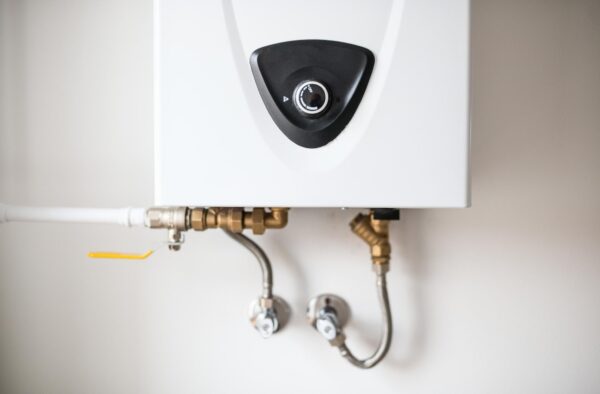
| Sulfur smell from hot water | Only with hot water | Bacteria in the water heater | Water heater service |
If the smell only occurs when hot water runs, the issue is more likely related to the water heater rather than the sewer system.
How to Identify Where the Sewer Gas Smell Is Coming From
Finding the source of the sewer smell starts with location. Odors from a single sink drain often point to a local clogged drain or dry trap. Sewer smell near the toilet base usually indicates a failed wax ring or broken seals at the toilet flange.
Basement floor drains and laundry rooms commonly develop odors due to infrequently used drains. When the smell spreads throughout the house, vent pipes or the main sewer line may be involved. In those cases, contacting an emergency plumber can prevent sewage backup and more extensive damage.
What You Can Safely Do Right Now
Before calling a plumber, homeowners can take a few safe steps to reduce sewer gas odor and gather useful information.
Open windows to bring in fresh air and improve indoor air quality. Run water in infrequently used drains to refill dry P-traps and restore the water barrier. Check toilets for looseness or moisture, but avoid overtightening bolts. Note when the smell occurs, which plumbing fixtures are affected, and whether it worsens after using other drains.
Avoid chemical drain cleaners, natural gas treatments, or relying on odor absorbers that mask odors without fixing plumbing problems. If the smell persists after these steps, professional help is recommended.
When Sewer Gas Smell Requires a Professional Plumber
Sewer gas smell should be handled by a licensed plumber when it lasts more than a day, affects multiple drains, or is accompanied by gurgling sounds, sewage odor backups, or visible leaks. Persistent sewer gas odor often points to broken seals, damaged sewer lines, or blocked plumbing vents that require professional tools and experience.
All State Plumbing Pros provides emergency plumbing and residential plumbing services designed to stop sewer gas leaks, prevent costly repairs, and restore proper airflow throughout your plumbing system.
Why Local Homes in Fairfield County and Westchester County Are Prone to Sewer Odors
Homes in Danbury, New Milford, Ridgefield, Wilton, and throughout Westchester County often feature older sewer systems with cast iron pipes, aging vent stacks, and mixed sewer or septic tank configurations. Seasonal weather changes and tree root intrusion increase the likelihood of sewer line damage and drainage system issues in this region.
Routine plumbing inspections and drain cleaning help local homeowners prevent sewer odors, protect indoor air quality, and avoid emergency repairs.
Conclusion
A sewer gas smell is never something to ignore. Whether the cause is a dry P-trap, blocked vent, damaged wax ring, or sewer line problem, sewer gas odor always indicates an issue within the plumbing system. Understanding what causes sewer gas smell in house situations allows homeowners to act early and avoid health hazards and costly repairs.
If you are dealing with a persistent sewer gas smell, recurring sewage odor, or unexplained plumbing smells in your home or business, do not wait for the problem to worsen. At All State Plumbing Pros, our licensed plumbers are available 24/7 to help homeowners and businesses across Connecticut and New York identify the source of sewer gas leaks and fix the underlying plumbing issues. From emergency diagnostics and drain cleaning to vent pipe repairs and sewer line inspections, contact us today for fast, reliable service that restores proper airflow, protects indoor air quality, and keeps your plumbing system operating safely.
FAQs
How to get rid of sewer gas smell in the house?
To get rid of sewer gas smell in the house, start by ventilating the area with fresh air and running water in all drains to refill dry P-traps. If the smell persists, it may involve vent pipes, broken seals, or sewer gas leaks. A licensed plumber can inspect the plumbing system and permanently eliminate sewer odors.
How do I find the source of the sewer smell in my house?
The source of sewer smell often depends on where the odor is strongest. Single-drain odors usually indicate a local plumbing issue, while whole-house smells suggest vent or sewer line problems. Professional inspections and smoke tests are the most reliable way to locate hidden sewer gas leaks.
Why does my house smell like sewage gas?
A house smells like sewage gas when sewer gases escape through drains, toilets, or vent pipes instead of exiting through the plumbing vents. This can occur due to dry P traps, clogged pipes, damaged sewer lines, or broken wax rings. The smell indicates a failure in the plumbing system’s water barrier or airflow.
Why does the sewer smell come and go?
Sewer smell comes and goes due to changes in air pressure, weather conditions, or water usage that disrupt traps and vents. Wind, rain, and infrequently used drains often contribute to intermittent odors. These signs usually point to underlying plumbing problems that should be evaluated by a professional plumber.