Limescale Buildup: Causes, Damage, and How to Fix It
Limescale Buildup: Causes, Damage, and How to Fix It
Limescale buildup is a common issue in homes with hard water, and it can quietly affect everything from your taps to your plumbing systems. If you’ve noticed a chalky deposit on your sink, shower heads, or inside your toilet bowl, that buildup is typically calcium carbonate left behind as water evaporates and minerals solidify. Over time, this mineral buildup can move beyond surface stains and begin affecting water pressure, heating efficiency, and the performance of water-using appliances.
In Fairfield County, CT, and Westchester County, NY, high levels of hardness minerals like calcium and magnesium in the water supply make limescale buildup more likely. While it may seem like a simple cleaning issue, limescale problems often indicate deeper plumbing concerns, especially when buildup forms inside pipes or a water heater tank. Homeowners dealing with recurring buildup or reduced system performance often rely on a trusted All State Plumbing Pros team to inspect their plumbing systems and restore proper flow.
What Is Limescale Buildup?
Limescale buildup is a hard, chalky deposit made mostly of calcium carbonate that forms when hard water evaporates or is heated. As water evaporates or is exposed to heat inside a system, minerals separate and stick to surfaces, forming a crusty residue over time.
This process happens gradually in the same way across most homes. As fresh water flows through pipes and fixtures, it carries dissolved minerals. When exposed to heat, such as in a hot water tank or heating elements, those minerals solidify and begin to form deposits.
What Limescale Looks Like
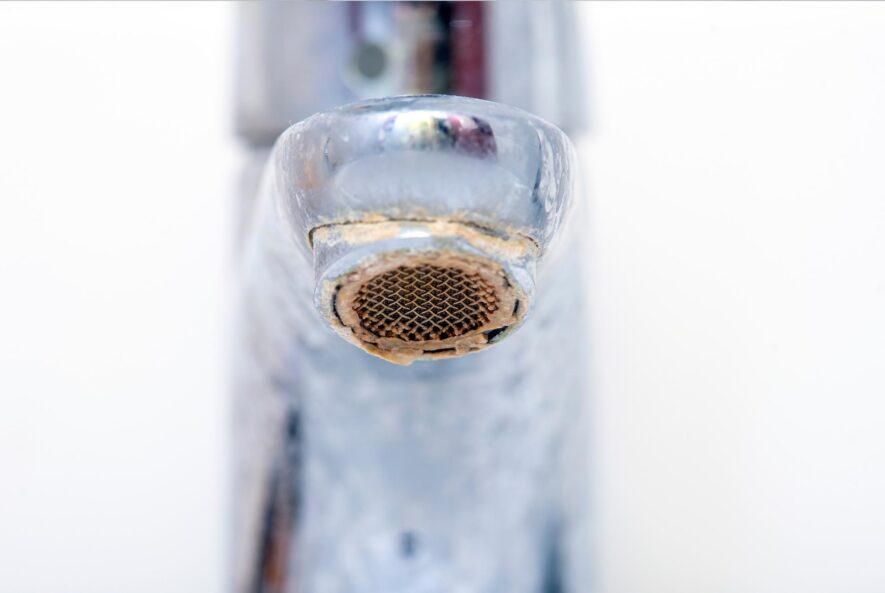
Limescale is usually easy to spot and often appears as a rough or powdery residue.
- White or chalky buildup on taps and fixtures
- Crust forming around shower heads and sink edges
- Residue inside coffee machines and washing machines
Where Limescale Forms
Limescale buildup forms both on visible surfaces and inside plumbing systems.
- Pipes and internal plumbing systems
- Water heater tank and heating elements
- Fixtures such as taps, toilets, and shower heads
What Causes Limescale Buildup?
Limescale buildup is caused by hard water, which contains high levels of calcium and magnesium. As water flows through your plumbing system, these minerals remain dissolved. However, when water evaporates or is heated, the minerals separate and form solid deposits.
This process accelerates in systems where water is frequently heated, such as a water heater or appliances that rely on boiling water or heat cycles.
Key Causes of Limescale
Several factors contribute to how quickly limescale builds in a home:
- Hard water with high levels of calcium and magnesium
- Heating water in a water heater or appliances
- Slow-moving water in pipes and fixtures
- Repeated evaporation of water on surfaces
Over time, this process leads to mineral buildup that can affect both surfaces and internal plumbing components.
How Limescale Buildup Affects Your Plumbing System
Limescale buildup does more than create visible residue. It can impact your entire plumbing system by restricting water flow, reducing water pressure, and lowering the efficiency of heating elements and appliances.
As mineral buildup accumulates inside pipes, it reduces the space available for water to flow. This can lead to noticeable drops in water pressure and uneven distribution throughout the home. In addition, limescale inside a water heater tank acts as an insulating layer, forcing the system to work harder to heat water.
Impact on Pipes and Water Lines
Limescale buildup inside pipes can cause long-term performance issues.
- Reduced water pressure due to restricted flow
- Narrowed pipes caused by mineral buildup
- Increased risk of clogs and drainage issues
Impact on Water Heaters
Water heaters are especially vulnerable because heat accelerates mineral formation.
- Sediment buildup inside the tank
- Reduced efficiency of heating elements
- Increased energy use and wear on the system
Impact on Fixtures and Appliances
Limescale buildup affects many everyday water-using appliances.
- Shower heads clog and reduce flow
- Washing machines and coffee machines lose efficiency
- Dishwashers struggle to complete a full cleaning cycle
| Area | Impact | Severity |
| Faucet | Surface buildup | Low |
| Shower head | Flow restriction | Medium |
| Pipes | Internal blockage | High |
| Water heater | Efficiency loss | High |
Signs You Have Limescale Buildup in Your Home
Limescale buildup often starts as a small inconvenience but gradually becomes a larger problem. Recognizing early signs can help prevent damage to your plumbing system and appliances.
Many homeowners first notice changes in water pressure or visible buildup on fixtures. Over time, these symptoms can become more widespread.
Most Common Warning Signs
- White or chalky residue on taps and fixtures
- Reduced water pressure at sinks and showers
- Hot water is taking longer to heat
- Buildup inside appliances and toilets
When It’s More Than a Surface Problem
Some signs indicate that limescale buildup is affecting your entire system.
- Persistent buildup that returns after cleaning
- Whole house performance issues
- Reduced efficiency in appliances
If these signs appear, it may mean that limescale has moved beyond surface buildup and into your plumbing system.
How to Remove Limescale Buildup
Removing limescale buildup depends on the severity of the problem. Light buildup can often be handled with household solutions, while deeper buildup inside plumbing systems requires professional intervention.
Acidic cleaning solutions are commonly used because they help dissolve calcium deposits.
DIY Removal Methods
For surface-level buildup, these methods can be effective:
- Use a vinegar solution or white vinegar to dissolve deposits
- Apply lemon juice or citric acid to affected areas
- Use a spray bottle to apply the solution evenly
- Soak fixtures in one cup of vinegar solution
- Scrub gently with a cloth and rinse thoroughly
These steps help clean limescale from surfaces like taps, sinks, and shower heads.
When DIY Is Not Enough
Some limescale problems require more than basic cleaning.
- Heavy limescale deposits inside pipes
- Buildup in the water heater tank
- Recurring limescale problems
In these cases, professional plumbing services are needed to fully remove buildup and restore system performance.
How to Prevent Limescale Buildup
Preventing limescale buildup starts with controlling water hardness and maintaining your plumbing system. Without proper prevention, limescale will continue to form and create recurring issues.
Long-term prevention focuses on reducing mineral content and maintaining system efficiency.
Prevention Strategies
- Install a water softener to convert hard water into soft water
- Use sediment filters to reduce mineral content
- Flush your water heater regularly
- Clean fixtures before the buildup becomes severe
Long-Term Protection
- Schedule routine maintenance for plumbing systems
- Upgrade aging pipes if needed
- Monitor water quality and hardness levels
These steps help prevent limescale buildup and improve overall water system performance.
When to Call a Plumber for Limescale Buildup
While surface limescale can often be cleaned, deeper buildup requires professional attention. If limescale buildup starts affecting water pressure, hot water performance, or appliance function, it is time to call a licensed plumber.
Ignoring these issues can lead to long-term damage and costly repairs.
Situations That Require Professional Help
- Persistent buildup that does not go away
- Reduced water pressure across fixtures
- Poor performance from the water heater or appliances
- Recurring issues even after cleaning
In Fairfield County, CT, and Westchester County, NY, hard water conditions make these problems more common. Professional evaluation ensures that the issue is properly diagnosed and resolved.
Professional Limescale Solutions in CT and Westchester
When limescale buildup becomes a recurring issue, professional service provides the most reliable solution. A licensed plumber can inspect your plumbing system, evaluate water hardness, and recommend solutions that protect your home long-term.
Homeowners in Danbury, New Milford, Ridgefield, Wilton, and throughout Westchester County benefit from working with experienced professionals who understand local water conditions. From water heater maintenance to system inspections and plumbing repairs, a comprehensive approach helps restore water flow and efficiency.
If limescale buildup is affecting your water pressure, appliances, or plumbing system, contact All State Plumbing Pros for fast, dependable service that keeps your water system running smoothly and your home protected.
Conclusion
Limescale buildup may start as a small, visible issue, but it often signals a larger problem within your plumbing system. As mineral buildup continues to form from hard water, it can reduce water pressure, affect heating efficiency, and shorten the lifespan of pipes and appliances. Understanding what causes limescale, recognizing early warning signs, and taking steps to manage water hardness can help protect your home and maintain consistent water flow. Addressing buildup early ensures your plumbing system stays efficient, your appliances perform properly, and your water remains clean and reliable.
If limescale buildup is starting to affect your water pressure, reduce hot water performance, or cause recurring issues throughout your plumbing system, it’s important to address it before it leads to bigger problems. At All State Plumbing Pros, our licensed specialists are available 24/7 to help homeowners and businesses across Connecticut and New York diagnose and resolve hard water and mineral buildup issues quickly. From inspecting pipes and water heaters to full system diagnostics, well pump evaluations, submersible and jet pump replacements, and pressure tank inspections, contact us today for fast, dependable service that keeps your water system running efficiently and your home protected.
FAQs
How do you remove limescale build up?
Limescale buildup can be removed using acidic solutions like white vinegar, lemon juice, or citric acid. These solutions help dissolve calcium deposits on surfaces such as taps and shower heads. For deeper buildup inside plumbing systems, professional cleaning may be required.
Is limescale water harmful?
Limescale is generally not harmful in drinking water, but it can affect water quality and taste. The main concern is how it impacts plumbing systems and appliances over time. Excess buildup can reduce efficiency and cause damage if not addressed.
What is limescale buildup?
Limescale buildup is the accumulation of calcium carbonate deposits left behind when hard water evaporates or is heated. These minerals form a chalky residue on surfaces and inside plumbing systems. Over time, this buildup can affect water flow and performance.
How to reduce limescale buildup?
Reducing limescale buildup involves managing hard water and maintaining your plumbing system. Installing a water softener, flushing your water heater, and cleaning fixtures regularly can help prevent buildup. Professional inspections can also identify issues early and protect your system.