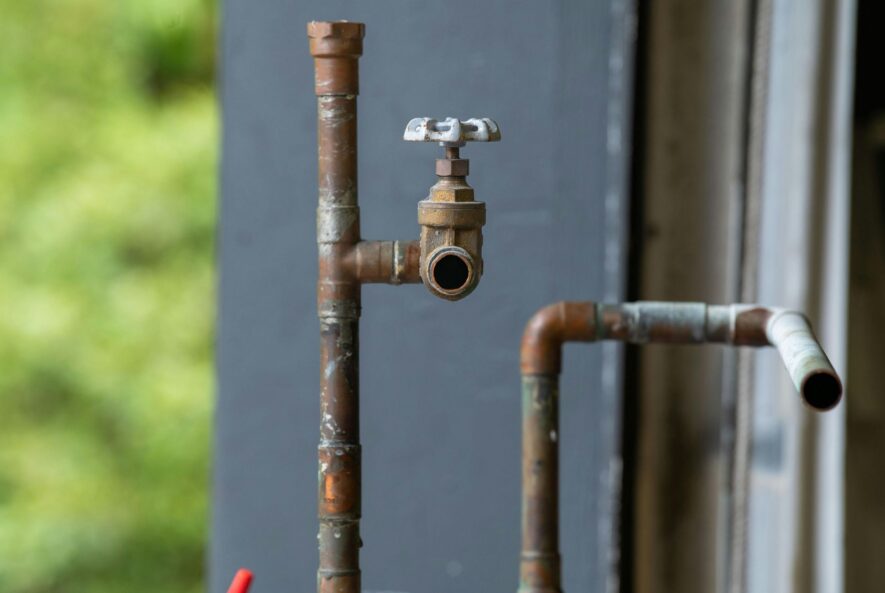
What Causes Corrosion on Copper Pipes? Signs and Solutions
Copper pipes are widely used because of their strength, corrosion resistance, and long service life. Even so, many homeowners eventually face green stains, blue or green stains around fixtures, metallic taste in drinking water, or unexpected pinhole leaks. Understanding what causes corrosion on copper pipes helps prevent pipe failure, water damage, and costly repairs inside the plumbing system.
In homes throughout Fairfield County, CT, and Westchester County, NY, copper corrosion is a frequent issue due to water chemistry, aging pipes, and environmental factors. Both municipal drinking water and well water can create conditions where corrosion occurs slowly over time. If you are already seeing warning signs like green corrosion, stains on walls, or unexplained leaks, a licensed plumber can identify the root cause and stop further corrosion before it leads to pipe failure or further damage.
What Is Copper Pipe Corrosion?
Copper pipe corrosion is the gradual breakdown of copper caused by chemical reactions, electrochemical reactions, or physical wear inside or outside the pipe. Over time, these reactions weaken the protective layer on copper pipes, leading to corrosion damage, corroded pipes, and eventually leaks or pipe failure.
Under normal conditions, copper reacts with oxygen to form copper oxide, creating a protective patina that helps slow corrosion. Problems begin when water chemistry, corrosive agents, or electrical grounding issues disrupt that balance. Once the protective layer is compromised, copper corrosion accelerates and can lead to elevated copper levels in drinking water, corrosion damage inside walls, and hidden plumbing system failures.
The Most Common Causes of Corrosion on Copper Pipes
In most homes, corrosion does not come from a single issue. Instead, multiple factors work together to corrode copper pipes over time. Below are the most common causes plumbers see during inspections.
Acidic or Low pH Water
Low pH water, also known as acidic water, is one of the most common reasons copper pipes corrode. When water is acidic, a chemical reaction occurs between the water and the copper surface. This reaction dissolves copper into the water, thinning pipe walls and creating blue-green stains on fixtures.
Homes with well water are especially vulnerable, but municipal systems can also deliver low pH water depending on treatment methods. Over time, acidic conditions increase corrosion damage, elevate copper levels, and may pose health risks if left unaddressed.
High Dissolved Oxygen and Chlorine Levels
High dissolved oxygen and disinfectants like chlorine or chloramines accelerate corrosion by increasing oxidation inside the pipe. These corrosive byproducts break down copper’s corrosion resistance and strip away its protective patina.
This issue often affects hot water pipes first because heat speeds up chemical reactions. Many homeowners notice corrosion near water heaters or in hot water lines long before cold water pipes show visible damage.
Water Velocity and Turbulence
High water velocity creates erosion corrosion, a type of damage caused by constant friction and flow inside copper pipes. Fast-moving water erodes the protective layer, exposing fresh copper to further corrosion.
This is common in plumbing systems with long pipe runs, recirculation loops, or high pressure. Commercial buildings and larger homes often experience corrosion sooner due to continuous demand and higher flow rates.
Improper Installation or Residual Flux
Copper pipes that are improperly installed can corrode prematurely. Excess soldering flux left behind during soldering creates corrosive agents that attack copper at solder joints. Unreamed pipe ends increase turbulence and create localized erosion.
This type of corrosion is frequently found in newer installations or renovations where shortcuts were taken during soldering or assembly.
Stray Electrical Currents and Poor Grounding
Electrical grounding issues can lead to galvanic corrosion or electrochemical corrosion. When stray electrical currents pass through copper pipes or when dissimilar metals are connected without proper bonding, corrosion accelerates at contact points.
This often causes sudden pinhole leaks and repeated failures in the same area. Correct electrical grounding is essential to stop corrosion and prevent further damage.
Sediment, Debris, and Bacterial Activity
Sediment, iron particles, and bacterial growth can cause uniform corrosion or under-deposit corrosion inside pipes. These materials trap moisture and corrosive agents against the copper surface, leading to pitting and eventual leaks.
Homes using well water are more prone to this issue, especially without regular water testing or filtration to remove iron and other metals.
Inside vs. Outside Corrosion: Why It Matters
Corrosion on the outside of copper pipes is often cosmetic, while corrosion inside the pipe is far more likely to cause leaks and water damage. Knowing the difference helps homeowners assess risk accurately.
External corrosion usually appears as green stains, condensation-related oxidation, or surface discoloration caused by moisture and oxygen exposure. In many cases, this green corrosion does not immediately pose health risks. Internal corrosion, however, is driven by water chemistry, dissolved oxygen, and corrosive agents constantly attacking the pipe wall.
When internal corrosion progresses, it leads to pinhole leaks, corroded pipes behind walls, and hidden water damage. If corrosion appears alongside moisture, stains, or pressure loss, contacting an emergency plumber is critical to prevent further damage and pipe failure.
Signs Your Copper Pipes Are Corroding
Copper corrosion often develops quietly, with small warning signs appearing long before a major leak occurs. Recognizing these signs early can help prevent extensive water damage.
Common warning signs include:
- Blue or green stains on sinks, tubs, or fixtures
- Metallic taste or odor in drinking water
- Repeated pinhole leaks or unexplained damp spots
- Reduced water pressure throughout the plumbing system
- Corrosion or moisture near solder joints and fittings
These symptoms suggest corrosion is affecting the integrity of the pipe and should be evaluated by a licensed plumber.
Why Corrosion Often Starts Near Water Heaters
Corrosion frequently begins near water heaters because hot water accelerates corrosion. Heat increases oxidation, raises dissolved oxygen activity, and speeds up electrochemical reactions inside copper pipes.
Water heaters can also introduce sediment, rust, and corrosive byproducts into the plumbing system. Over time, these conditions weaken copper pipes connected to the heater. Homeowners in Ridgefield, New Milford, and surrounding areas often discover corrosion after noticing leaks or stains above the water heater.
Professional water heater repair or installation can help address these issues before corrosion spreads further into the plumbing system.
Is Green Corrosion on Copper Pipes Dangerous?
Green corrosion on copper pipes is usually a surface-level protective patina formed through oxidation. In many cases, it does not immediately pose health risks. However, green stains combined with moisture, pitting, or leaks can indicate deeper corrosion damage.
When corrosion penetrates the pipe wall, it can lead to elevated copper levels in drinking water, a metallic taste, and potential health concerns. If green corrosion is accompanied by leaks or signs of pipe failure, replacement or repair is often necessary to avoid further damage.
How Plumbers Diagnose Copper Pipe Corrosion
Diagnosing copper pipe corrosion requires more than a quick visual check. Licensed plumbers follow a structured process to identify the root cause and recommend the correct solution.
A professional evaluation typically includes:
- Visual inspection of exposed pipes, solder joints, and fittings
- Water testing to evaluate pH, hardness, and dissolved oxygen
- Pressure and flow testing to identify erosion corrosion
- Electrical grounding checks to rule out galvanic corrosion
This approach ensures the repair addresses the underlying cause of corrosion, not just the visible symptoms.
How to Prevent Corrosion in Copper Plumbing Systems
Preventing copper corrosion is often far less expensive than dealing with emergency repairs. Prevention focuses on stabilizing water chemistry, protecting copper’s corrosion resistance, and monitoring early warning signs.
Effective prevention steps include:
- Regular water testing to monitor pH and elevated copper levels
- Installing filtration or a corrosion inhibitor when appropriate
- Correcting electrical grounding and bonding issues
- Flushing stagnant hot water lines
- Scheduling routine inspections with a licensed plumber
In areas like Wilton and Westchester County, professional guidance ensures prevention methods align with local water conditions.
When Corrosion Becomes a Plumbing Emergency
Copper corrosion becomes a plumbing emergency when it causes active leaks, water damage, or sudden pressure loss. Left untreated, corrosion can lead to burst pipes, mold growth, and extensive damage to walls and flooring.
If you experience recurring leaks, visible corrosion, or signs of pipe failure, contacting a 24/7 emergency plumber can limit damage and restore safe water flow before the situation worsens.
Conclusion
Copper pipes offer long-term durability, but they are not immune to corrosion. Understanding what causes corrosion on copper pipes allows homeowners to recognize warning signs early, protect their plumbing system, and avoid unexpected pipe failure. From water chemistry and electrical grounding to installation quality and environmental exposure, corrosion is best addressed at its source.
If you’re noticing blue or green stains, recurring pinhole leaks, metallic-tasting water, or other warning signs of copper pipe corrosion, don’t wait for hidden damage to turn into a full pipe failure. At All State Plumbing Pros, our licensed plumbers are available 24/7 across Connecticut and New York to diagnose corrosion issues, test water chemistry, and protect your plumbing system before further damage occurs. From preventative inspections and targeted repairs to emergency plumbing service, contact us today for reliable, professional support you can trust.
FAQs
How to stop copper pipes from corroding?
Stopping copper pipes from corroding begins with identifying the root cause through water testing and system inspection. Adjusting water chemistry, installing a corrosion inhibitor, or repairing grounding issues can slow or stop corrosion. A licensed plumber can determine the most effective long-term solution.
What causes copper pipe corrosion?
Copper pipe corrosion is caused by acidic water, high dissolved oxygen, galvanic corrosion from dissimilar metals, and physical wear such as erosion corrosion. Improper installation and environmental factors like moisture and condensation also contribute.
How long do copper pipes take to corrode?
Copper pipes can last 50 years or longer under ideal conditions, but corrosion can begin much sooner in aggressive environments. Low pH water, hard water, or high water velocity can cause corrosion within 10 to 20 years. Regular inspections help extend pipe life.
Is it safe to drink water from corroded copper pipes?
Drinking water from corroded copper pipes may pose health risks if copper levels become elevated. Symptoms such as metallic taste, blue stains, or confirmed corrosion warrant water testing. Professional plumbing evaluation helps protect both water quality and household safety.