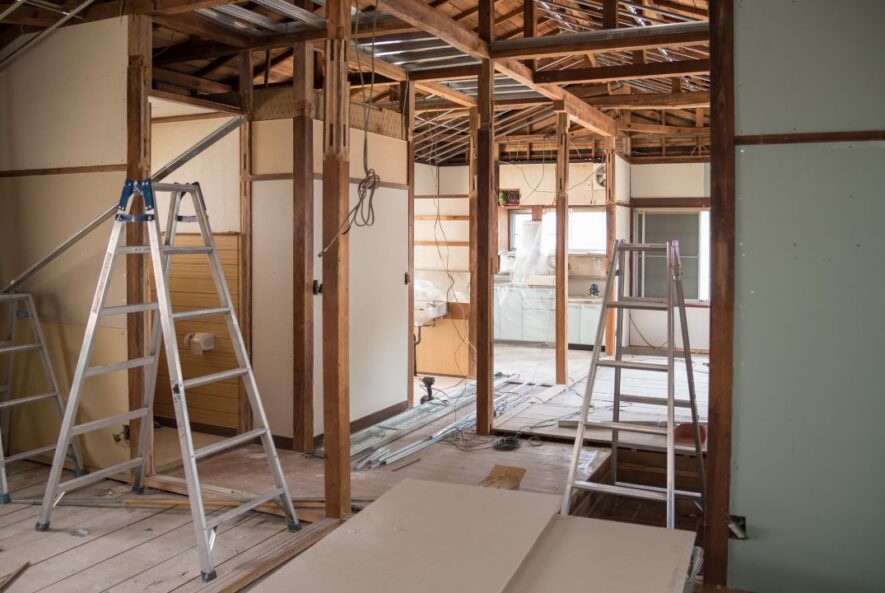
Prevent Plumbing Issues During Home Renovations
To prevent plumbing issues during home renovations, you need to plan ahead, protect existing pipes, and ensure your system can handle any upgrades or layout changes. Renovations often expose hidden plumbing, and without the right precautions, small mistakes can lead to costly leaks, water damage, or system failures.
In Fairfield County, CT, and Westchester County, NY, many homes have older plumbing systems that may not handle modern upgrades without adjustments. Whether you’re remodeling a kitchen, upgrading a bathroom, or doing a full renovation, understanding how to protect your plumbing is essential.
If you’re planning a renovation or already in the middle of one, working with a licensed professional for residential plumbing or emergency support can help you avoid major setbacks and keep your project on track.
Why Plumbing Problems Happen During Renovations
Plumbing problems during renovations happen because construction work exposes hidden pipes, changes system layouts, and puts stress on older plumbing components. Without proper planning, even minor changes can disrupt water flow, drainage, or pressure.
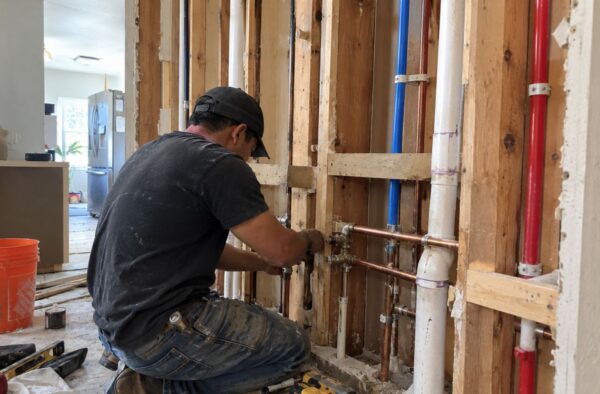
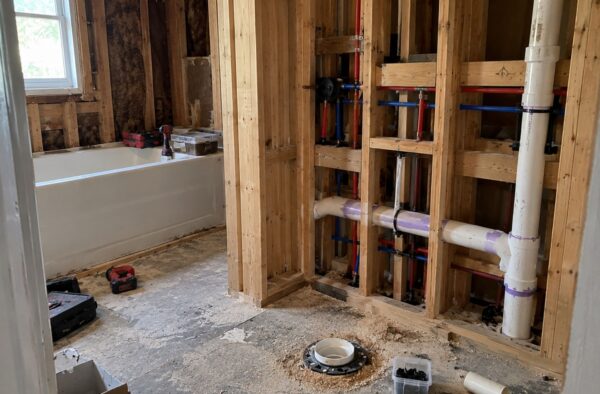
Renovations often involve cutting into walls, floors, or ceilings. These areas commonly hide water lines, drain pipes, and vent systems. If these elements are damaged or improperly adjusted, the result can be immediate leaks or long-term performance issues.
The most common causes include:
- Cutting into hidden water or drain lines
- Moving fixtures without proper pipe alignment
- Old or corroded pipes failing under new demand
- Pressure imbalances after installing new fixtures
- Lack of permits or improper plumbing work
Many of these issues are preventable with proper planning and professional oversight before construction begins.
What to Check Before Starting Any Renovation
The best way to prevent plumbing issues during home renovations is to inspect your entire system before any work begins. Identifying weak points early helps you avoid surprises once walls and floors are opened.
Before starting your renovation, take time to evaluate the condition and layout of your plumbing system. This step often determines whether your project runs smoothly or faces costly delays.
Pre-Renovation Plumbing Checklist
- Inspect visible and hidden pipes for corrosion or leaks
- Check water pressure and flow consistency
- Locate and test main and fixture shutoff valves
- Identify outdated materials like galvanized pipes
- Evaluate drainage performance and flow rate
- Confirm plumbing layout before relocating fixtures
For example, if you’re remodeling a bathroom and discover corroded pipes behind the wall, replacing them during renovation is far more cost-effective than repairing them later after finishing work is complete.
How to Prevent Plumbing Damage During Renovation Work
To prevent plumbing damage during renovation work, you must actively protect pipes, coordinate with contractors, and control water flow during construction. Most damage happens during demolition or structural changes, not during planning.
Once construction begins, plumbing becomes vulnerable to accidental damage. Tools, heavy equipment, and structural modifications can all impact pipes if precautions are not taken.
Here are the most effective ways to protect your plumbing system during active renovation:
- Shut off the main water supply before demolition begins
- Clearly mark pipe locations before cutting or drilling
- Avoid placing heavy equipment near exposed plumbing
- Cap open pipes to prevent debris from entering
- Communicate plumbing layout with contractors and crews
For instance, cutting into a wall without confirming pipe placement can easily lead to hitting a water line. This type of mistake can cause immediate flooding and delay your entire renovation timeline.
Should You Replace Old Pipes During Renovation?
Yes, replacing old pipes during renovation is often the smartest long-term decision, especially if your plumbing system shows signs of age or wear. Renovation provides a rare opportunity to upgrade plumbing without additional demolition costs.
Older materials like galvanized steel or corroded copper can restrict water flow and increase the risk of leaks. When walls and floors are already open, replacing these pipes becomes more efficient and cost-effective.
You should consider replacing pipes if you notice:
- Frequent leaks or repairs
- Reduced water pressure
- Visible corrosion or discoloration
- Outdated materials that no longer meet modern standards
Many homeowners delay pipe replacement to save money upfront, but this often leads to more expensive repairs later. Upgrading during renovation helps avoid future disruptions.
Common Plumbing Mistakes During Home Renovations
Most plumbing issues during renovations are caused by avoidable mistakes. Understanding these errors can help you make better decisions and protect your investment.
Even experienced contractors can overlook plumbing details if they are not coordinated properly. That’s why it’s important to stay aware of common risks.
Mistakes to Avoid
- Skipping a full plumbing inspection before starting work
- Attempting DIY pipe relocation without proper knowledge
- Ignoring drainage slope requirements
- Installing fixtures incompatible with existing systems
- Failing to account for venting requirements
For example, an improper drain slope can cause water to move too slowly, leading to recurring clogs. In these cases, professional drain cleaning services may be needed to correct buildup and restore proper flow.
How Plumbing Layout Changes Affect Your System
Changing plumbing layouts during renovation affects water pressure, drainage efficiency, and system balance. Even small adjustments can impact how your entire system performs.
When you move fixtures like sinks, showers, or appliances, you also change how water travels through pipes. This can create new challenges if not planned correctly.
Key factors to consider include:
- Maintaining proper drain slope for wastewater flow
- Ensuring adequate venting to prevent pressure issues
- Balancing water pressure across fixtures
- Avoiding long pipe runs that reduce efficiency
For example, relocating a kitchen sink without adjusting the drainage slope can result in slow drainage and frequent clogs.
What to Do If You Hit a Pipe During Renovation
If you hit a pipe during renovation, you should immediately shut off the water supply, stop all work, and call a professional plumber to assess the damage. Quick action is critical to minimize water damage and repair costs.
Accidents can happen even with proper planning. Knowing how to respond can prevent a minor issue from becoming a major problem.
Here’s what to do right away:
- Shut off the main water supply
- Stop construction immediately
- Contain any water using towels or buckets
- Avoid using electrical systems near water
- Contact a licensed plumber for repairs
In urgent situations like this, having access to a reliable emergency plumber ensures a fast response and prevents further damage to your home.
Post-Renovation Plumbing Checks You Should Never Skip
After renovation, testing your plumbing system is essential to confirm everything is working correctly. Skipping this step can allow hidden issues to go unnoticed until they become serious problems.
Once construction is complete, run a full system check before finalizing your project.
Post-Renovation Checklist
- Check all fixtures for leaks
- Test water pressure across all outlets
- Run water through all drains to check the flow
- Inspect connections and joints
- Verify hot water system performance
These checks help confirm that your plumbing system is functioning as expected and that no damage occurred during renovation.
Renovation Plumbing Considerations in CT & Westchester County
Homes in Fairfield County, CT, and Westchester County, NY often have older plumbing systems that require extra attention during renovations. Aging pipes, seasonal temperature changes, and increased water demand can all impact performance.
In areas like Danbury, New Milford, Ridgefield, and Wilton, many properties still rely on older infrastructure that may not support modern fixtures without upgrades. Renovations in these homes should always include a thorough plumbing evaluation.
Whether you’re managing a residential project or upgrading a commercial property, addressing these local factors helps ensure long-term reliability.
Conclusion
Preventing plumbing issues during home renovations starts with proper planning, continues with careful execution, and ends with thorough system testing. Because plumbing is often hidden behind walls and under floors, small mistakes can quickly turn into expensive repairs if not addressed early. By inspecting your system, protecting pipes during construction, and making smart upgrade decisions, you can avoid delays, reduce costs, and ensure your renovation delivers lasting results.
If you’re planning a renovation or dealing with unexpected plumbing issues during your project, All State Plumbing Pros is here to help. Our licensed plumbers serve homeowners and property owners across Connecticut and New York, offering 24/7 support for inspections, drain cleaning, water heater service, and emergency plumbing repairs. Whether you want to prevent costly problems before they start or need fast, reliable solutions during construction, you can count on our experienced team for safe, professional results that keep your renovation on track. Contact us today to get started.
FAQs
How can I prevent plumbing issues during home renovations?
You can prevent plumbing issues by inspecting your system before renovation, protecting pipes during construction, and testing everything afterward. Working with a licensed plumber helps ensure proper installation and prevents costly mistakes.
Why prevent plumbing issues during home renovations?
Preventing plumbing issues helps avoid water damage, delays, and unexpected repair costs. Since renovations expose hidden systems, addressing risks early protects your investment and keeps your project on schedule.
Should I replace old pipes during renovations?
Yes, replacing old pipes during renovation is often recommended if they show signs of wear or corrosion. It is more cost-effective to upgrade plumbing while walls are open than to fix problems later.
Can a professional help prevent plumbing issues?
Yes, a licensed plumber can identify risks, plan proper layouts, and ensure all work meets code requirements. Professional guidance is one of the most effective ways to prevent issues during renovation.