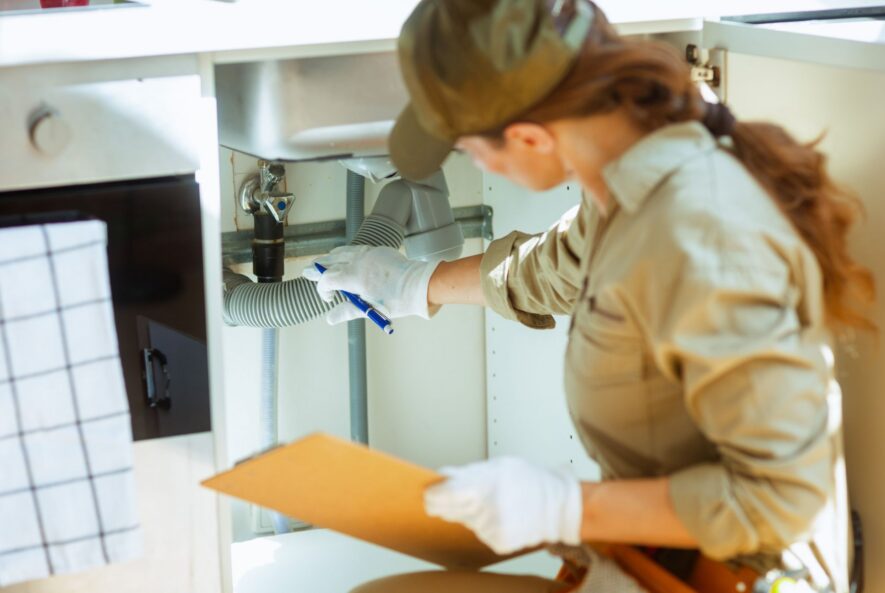
Commercial Plumbing Inspection Checklist: What to Check
A commercial plumbing inspection checklist helps business owners and property managers catch small plumbing issues before they turn into expensive repairs or operational disruptions. In high-use buildings across Fairfield County, CT, and Westchester County, NY, even minor leaks or clogs can quickly impact daily operations, safety, and compliance.
Whether you manage an office, restaurant, retail space, or multi-unit property, regular inspections are essential to keeping your plumbing system reliable. Many commercial properties rely on aging infrastructure or heavy daily usage, which increases the risk of hidden issues like pipe corrosion, pressure imbalances, and drainage problems.
If you want to avoid unexpected breakdowns, working with a trusted provider like All State Plumbing Pros for professional inspections and ongoing maintenance can help you stay ahead of costly emergencies while keeping your system running efficiently.
What Is a Commercial Plumbing Inspection Checklist?
A commercial plumbing inspection checklist is a structured list used to evaluate all major plumbing components in a building, including pipes, drains, fixtures, and water heating systems, to identify issues before they cause damage or downtime.
In commercial settings, plumbing systems are under constant demand. Unlike residential systems, they must support multiple users, higher water pressure, and more complex layouts. This makes routine inspections critical for preventing failures that could disrupt operations or lead to property damage.
A well-designed checklist ensures nothing is overlooked. It provides a repeatable process for evaluating system performance, identifying early warning signs, and documenting issues that need repair. For property owners and facility managers, this creates a clear path to maintaining efficiency while reducing long-term costs.
What Is Included in a Commercial Plumbing Inspection Checklist?
A complete commercial plumbing inspection checklist covers every major system component, from water supply lines to drainage systems and safety devices, ensuring that each part is functioning properly and safely.
Before diving into the checklist itself, it’s important to understand that commercial systems are interconnected. A small issue in one area, such as reduced water pressure, can signal a larger problem elsewhere, like pipe buildup or valve failure. That’s why inspections must be thorough and consistent.
Core Systems to Inspect
- Pipes and fittings for leaks, corrosion, or damage
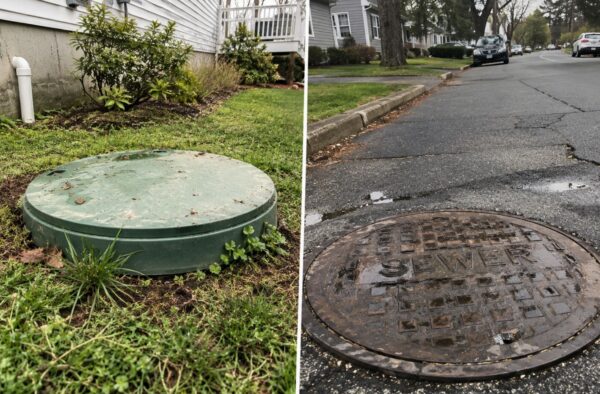
- Drains and sewer lines for clogs or slow flow
- Fixtures such as sinks, toilets, and faucets
- Water heaters and boilers for efficiency and safety
- Shut-off valves and pressure regulators
- Backflow prevention devices to protect the water supply
Key Warning Signs to Look For
- Sudden drops in water pressure
- Unusual noises from pipes or fixtures
- Persistent drain odors
- Visible water stains or moisture buildup
Each of these areas plays a role in maintaining a stable plumbing system. Missing even one component during an inspection can allow small issues to grow into major disruptions.
Commercial Plumbing Inspection Checklist (Step-by-Step)
A step-by-step commercial plumbing inspection checklist ensures every system is evaluated in a logical order, helping identify problems efficiently while minimizing disruption to daily operations.
Before starting any inspection, it is important to review system history, note any recent issues, and ensure all accessible areas are ready for evaluation. This preparation helps create a smoother inspection process and more accurate results.
Step 1: Inspect Water Supply Lines
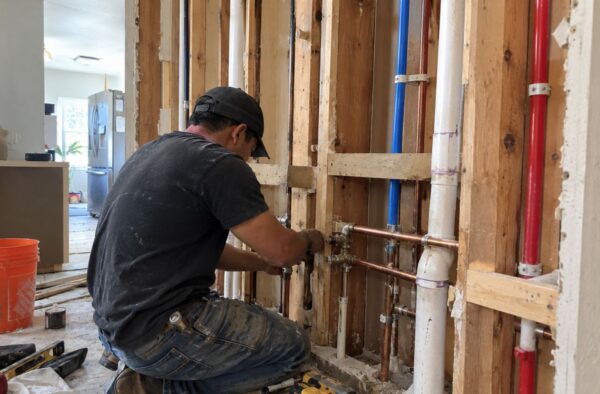
Check for visible leaks, corrosion, and pressure inconsistencies. Pay close attention to joints and connection points, as these are common failure areas.
Step 2: Check Fixtures and Usage Points
Evaluate sinks, toilets, and faucets for proper function. Look for leaks, slow drainage, and signs of wear that could affect usability.
Step 3: Evaluate Drainage System
Inspect drains for clogs or buildup. Slow drainage often signals deeper issues within the system that require professional cleaning.
Step 4: Inspect Water Heating Systems
Examine water heaters for efficiency, temperature consistency, and signs of sediment buildup. Poor performance can increase energy costs and reduce reliability.
Step 5: Test Valves and Safety Devices
Ensure shut-off valves and backflow prevention systems are working correctly. These components are essential for safety and compliance.
Step 6: Document Findings
Record all observations, including minor issues. Documentation helps track recurring problems and plan future maintenance.
For businesses that want a more accurate and code-compliant inspection, working with a professional team through services like All State Plumbing Pros ensures nothing is missed, and issues are addressed early.
How Often Should Commercial Plumbing Be Inspected?
Most commercial plumbing systems should be inspected regularly based on usage, building size, and industry requirements to prevent breakdowns and maintain efficiency.
The frequency of inspections depends on how heavily the system is used. High-traffic environments such as restaurants or multi-tenant buildings require more frequent checks than smaller office spaces.
| Inspection Type | Recommended Frequency |
| Visual checks | Monthly |
| Drain inspections | Quarterly |
| System testing | Semi-annually |
| Full inspection | Annually |
Factors That Affect Inspection Frequency
- Property size and layout
- Volume of daily water usage
- Type of business operations
- Age of the plumbing system
Regular inspections not only reduce the risk of failure but also help extend the lifespan of plumbing infrastructure.
Who Should Perform a Commercial Plumbing Inspection?
Basic visual checks can be performed by staff, but a licensed professional should handle full inspections to ensure accuracy, safety, and compliance.
While building staff can monitor obvious issues like leaks or slow drains, commercial plumbing systems are complex. Many problems require specialized tools and training to detect, such as hidden pipe damage or pressure irregularities.
Staff can typically check:
- Visible leaks
- Fixture performance
- Drain speed
Licensed professionals should handle:
- Pressure testing
- Camera inspections
- Backflow testing
- Gas line evaluations
A licensed plumber provides a deeper level of inspection that ensures compliance with local regulations and reduces liability risks for property owners.
Common Issues Found During Commercial Plumbing Inspections
Commercial plumbing inspections often reveal hidden problems that can lead to major disruptions if not addressed early.
In many cases, these issues develop gradually and go unnoticed until they begin affecting system performance. Regular inspections help identify these problems before they escalate.
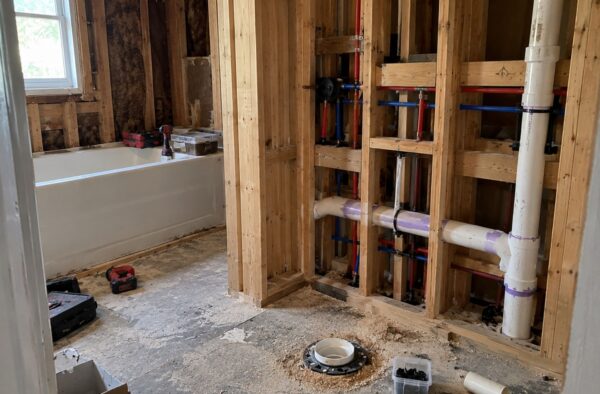
- Hidden leaks behind walls or under floors
- Pipe corrosion caused by age or water quality
- Drain blockages from buildup or debris
- Faulty valves that affect water flow
- Inefficient water heaters increase energy costs
Why These Issues Should Not Be Ignored
Ignoring these problems can result in expensive repairs, property damage, and even business interruptions. In commercial environments, downtime can lead to lost revenue and customer dissatisfaction, making proactive maintenance essential.
Signs You Need a Commercial Plumbing Inspection Right Away
Certain warning signs indicate that your plumbing system needs immediate attention to prevent serious damage or disruption.
These signs often appear suddenly and should not be ignored, as they may signal deeper issues within the system.
- Sudden drop in water pressure
- Recurring drain clogs
- Unexplained increase in water bills
- Water stains or mold growth
- Lack of hot water
If you notice any of these issues, scheduling an inspection as soon as possible can help prevent further damage and restore system performance.
Commercial Plumbing Inspection vs. Maintenance: What’s the Difference?
A commercial plumbing inspection identifies potential problems, while maintenance focuses on fixing and preventing those problems over time.
Understanding the difference helps property owners create a more effective strategy for managing their plumbing systems.
| Inspection | Maintenance |
| Identifies issues | Resolves issues |
| Periodic evaluation | Ongoing process |
| Diagnostic approach | Preventive approach |
Both inspection and maintenance work together to keep systems running efficiently and reduce the risk of unexpected failures.
How Inspections Help Prevent Emergency Plumbing Problems
Regular inspections play a critical role in preventing plumbing emergencies by identifying issues before they escalate into major failures.
When systems are not inspected regularly, small problems like minor leaks or buildup can quickly lead to pipe bursts, flooding, or complete system shutdowns. These situations can disrupt operations and require costly emergency repairs.
By catching issues early, inspections help:
- Reduce repair costs
- Prevent business interruptions
- Protect property from water damage
For businesses in Connecticut and New York, having access to reliable emergency support is just as important as prevention. Combining inspections with services like All State Plumbing Pros ensures your system is protected both proactively and reactively.
Commercial Plumbing Inspections for Different Property Types
Different types of commercial properties have unique plumbing demands, which means inspection checklists should be adjusted accordingly.
Understanding these differences helps ensure that inspections are both thorough and relevant to the building’s specific needs.
Offices
Focus on restrooms, breakroom plumbing, and water pressure consistency.
Restaurants
Require frequent drain inspections and grease management to prevent clogs and compliance issues.
Retail Stores
Typically need basic fixture checks and leak monitoring.
Multi-Unit Buildings
Require system-wide inspections to ensure consistent performance across all units.
Tailoring inspections to the property type improves efficiency and helps prevent issues specific to each environment.
Conclusion
A commercial plumbing inspection checklist is one of the most effective ways to prevent costly repairs, reduce downtime, and maintain a safe, reliable plumbing system. By regularly inspecting key components like pipes, drains, fixtures, and water heaters, businesses can catch problems early and avoid major disruptions. For property owners and managers in Fairfield County, CT, and Westchester County, NY, taking a proactive approach to inspections helps protect both the building and daily operations while supporting long-term system performance and efficiency.
If you want to avoid unexpected plumbing failures, rising repair costs, or disruptions to your business operations, scheduling a professional inspection is a smart next step. At All State Plumbing Pros, our licensed specialists are available 24/7 to help commercial property owners across Connecticut and New York identify issues early and keep their plumbing systems running reliably. From detailed system inspections and drain evaluations to water heater checks, well pump services, and full commercial plumbing support, contact us today for fast, dependable service that protects your property and keeps your operations on track.
FAQs
What is included in a commercial plumbing inspection checklist?
A commercial plumbing inspection checklist includes evaluating pipes, drains, fixtures, water heaters, valves, and safety systems for leaks, blockages, and performance issues. Each component is checked to ensure proper operation and identify potential problems. This process helps prevent costly repairs and system failures.
How often should a commercial plumbing inspection be done?
Most commercial properties should have monthly visual checks and a full professional inspection at least once a year. High-use environments may require more frequent inspections. Regular scheduling helps maintain system efficiency and prevent unexpected issues.
Why is a commercial plumbing inspection checklist important?
A commercial plumbing inspection checklist helps identify problems early, reducing the risk of major repairs and downtime. It ensures that all parts of the system are functioning correctly and safely. This proactive approach helps protect both the property and business operations.
Who performs a commercial plumbing inspection?
Basic checks can be done by building staff, but a licensed plumber should perform full inspections. Professionals use specialized tools and expertise to identify hidden issues. For accurate results, businesses often rely on experienced providers like All State Plumbing Pros to handle inspections and repairs.