Plumbing Vent Pipe: Common Problems, Signs, and Fixes
A plumbing vent pipe plays a critical role in keeping your plumbing system working correctly, even though it’s hidden behind walls or extends quietly through the roof. When a vent pipe becomes blocked or damaged, problems often show up as slow drainage, gurgling noises, or unpleasant odors coming from sinks, bathrooms, or floor drains. Because the vent system supports the entire drainage system, these issues often affect one or more sinks, toilets, or fixtures at the same time.
Homes and commercial properties in Fairfield County, CT, and Westchester County, NY, frequently develop vent-related plumbing issues due to aging vertical pipes, outdoor exposure on the roof, debris, and ice formation in colder climates. If your plumbing isn’t flowing freely or your home no longer smells clean, All State Plumbing Pros provides 24/7 residential and commercial plumbing services to diagnose and fix clogged vent pipe problems before they disrupt daily life or damage your system. Proper venting keeps water flowing smoothly and helps keep your home running smoothly.
What Is a Plumbing Vent Pipe and What Does It Do?
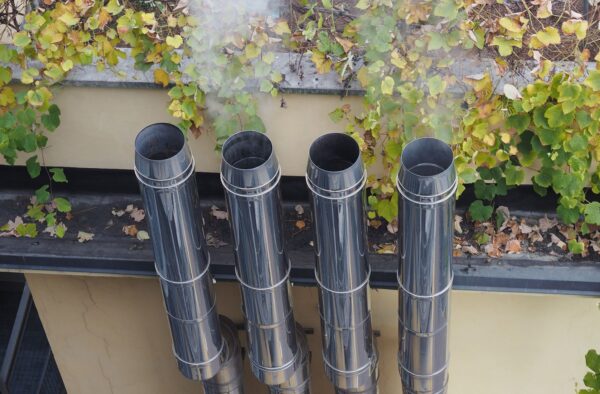
A plumbing vent pipe is part of the home’s vent system that allows air into the plumbing system so wastewater can drain properly while directing sewer gases safely into open air above the roof. This process helps equalize air pressure inside the drain pipes and protects plumbing fixtures from pressure-related issues.
When water flows down a drain pipe, it displaces air. Without a working plumbing vent, negative air pressure can build up and interfere with drainage. Venting methods, such as a stack vent, individual vent, common vent, or circuit vent, ensure that air can move freely through the waste stack.
A properly vented system:
- Maintains balanced air pressure
- Protects trap seals from being siphoned
- Prevents foul smells from entering bathrooms or kitchens
- Supports smooth water flow through the drainage system
Most homes rely on a main vent stack that connects to the waste stack and exits through the roof, working behind the scenes to keep plumbing issues from developing.
How a Plumbing Vent Pipe Works Inside Your Plumbing System
Inside the plumbing system, the vent pipe allows air to move in and out of the system so wastewater can flow freely without resistance. As water moves through the waste stack, air must replace the space it leaves behind. The vent stack provides that air, preventing suction that could pull water from trapped fixtures.
If the vent system is blocked, air cannot move freely. This causes pressure imbalances that lead to gurgling sounds, slow drainage, or bubbling in the toilet bowl. Over time, trap seals may dry out or siphon, allowing sewer gases to rise into the house.
The difference is clear:
| Working Correctly | Blocked Vent |
| Water flows smoothly | Slow drainage |
| No odors | Unpleasant odors |
| Quiet drains | Gurgling noises |
| Trap seals protected | Trap seals fail |
Vent pipes work together with drains, not separately. When the system is working properly, you rarely notice it at all.
Where Is the Plumbing Vent Pipe Located?
Most plumbing vent pipes connect to the waste stack and run vertically behind a wall before exiting through the roof. From outside, the stack vent appears as a pipe protruding above the roofline. Inside the house, vents may connect to individual fixtures or serve multiple drains using horizontal wet venting, wet vent, or loop vent designs.
In older homes or commercial buildings, venting methods may include combination waste systems or shared vents serving multiple bathrooms. Homes with a septic tank also rely on vent pipes to release gases safely.
Because vent pipes are often hidden behind walls or run through ceilings, a professional inspection by a licensed plumber is the safest way to locate and assess the vent system without unnecessary damage.
Signs of a Clogged Plumbing Vent Pipe
A clogged vent pipe usually causes problems throughout the plumbing system rather than in a single drain. This is because the vent affects air pressure across the entire drainage network.
Homeowners may first notice subtle changes, such as a sink draining more slowly than usual. As the blockage worsens, symptoms become more obvious and disruptive.
Common signs and common symptoms of a blocked vent include:
- Gurgling sounds from sinks or toilets
- Slow drainage in multiple plumbing fixtures
- Bubbling water in the toilet bowl
- Unpleasant odors or sewer smells inside the house
- Water is backing up into the floor drains
- Drain problems in bathrooms far from each other
When these issues affect more than one drain at once, it’s rarely a simple clog. All State Plumbing Pros offers professional drain cleaning and vent inspections across Fairfield County and Westchester County to address the root cause and prevent recurring plumbing issues.
Blocked Vent Pipe vs Clogged Drain: How to Tell the Difference
One of the biggest challenges for homeowners is determining whether the issue is a blocked vent or a clogged drain. While both can cause slow drainage, the pattern of symptoms is different.
| Symptom | Vent Issue | Drain Clog |
| Multiple fixtures affected | Yes | Rare |
| Sewer smells | Common | Sometimes |
| Gurgling noises | Common | Rare |
| One sink affected | Rare | Common |
If one or more sinks drain slowly while others work fine, the issue is usually inside the drain. If problems appear across the plumbing system, air pressure issues caused by a clogged vent pipe are more likely.
What Causes a Plumbing Vent Pipe to Clog?
Because vent pipes terminate at the roof, they are exposed to outdoor conditions. Over time, visible debris, leaves, and dirt can enter the vent opening. Small animals may also build nests inside the pipe.
Common causes include:
- Leaves and debris on the roof
- Bird nests or animal activity
- Ice formation in colder climates
- Aging or damaged pipe material
- Construction debris
Some homeowners attempt to flush the vent with a garden hose or clear it using a plumber’s snake, but this can push debris deeper into the system. Working on a roof also presents safety risks. A licensed plumber has the tools and experience to clear vents safely and restore proper airflow.
Can a Clogged Vent Pipe Become an Emergency?
Yes. When a vent system becomes severely blocked, wastewater may no longer drain properly and can back up into sinks, toilets, or floor drains. Sewer gases trapped in the system may also enter the house, creating health concerns.
In commercial buildings or properties with shared vent stacks, one blocked vent can affect multiple bathrooms or units at once. Emergency plumbing service is often needed when drainage stops completely or foul smells spread throughout the building.
When to Call a Licensed Plumber for Vent Problems
Vent problems should be handled by a licensed plumber when symptoms persist or worsen. Plumbing vents must comply with the International Plumbing Code, and improper venting can cause ongoing plumbing issues if not corrected properly.
A professional inspection allows plumbers to evaluate the vent system, check airflow, inspect trap seals, and determine whether additional venting methods or repairs are needed. All State Plumbing Pros serves homeowners and businesses throughout Fairfield County, CT, and Westchester County, NY with residential, commercial, and emergency plumbing services backed by an experienced team.
Conclusion
A properly functioning plumbing vent pipe is essential to keeping your drainage system working as intended and preventing problems that can affect multiple fixtures at once. By allowing air to move freely through the plumbing system, vent pipes help maintain balanced pressure, protect trap seals, and safely direct sewer gases out of the home. Understanding how vent systems work, recognizing early warning signs of blockages, and addressing vent issues promptly can help prevent recurring drainage problems, unpleasant odors, and more serious plumbing damage over time.
If you’re dealing with gurgling drains, sewer odors, or signs of a clogged plumbing vent pipe, All State Plumbing Pros is here to help. Our licensed plumbers serve homeowners and property owners across Connecticut and New York, offering 24/7 support for vent inspections, drain cleaning, code-compliant plumbing repairs, and emergency service when drainage problems affect your entire system. Whether you’re addressing an active vent blockage or taking a proactive step to protect your plumbing system and indoor air quality, you can rely on our experienced team for safe, professional solutions you can trust. Contact us today to get started.
FAQs
What is the purpose of a plumbing vent pipe?
The purpose of a plumbing vent pipe is to allow air into the plumbing system so wastewater can drain properly while releasing sewer gases through the roof. It helps equalize air pressure and protects trap seals. Without proper venting, drainage slows, and foul smells can enter the house.
How do I tell if my vent pipe is clogged?
Common signs include gurgling sounds, slow drainage in multiple fixtures, bubbling in the toilet bowl, and unpleasant odors. If more than one drain is affected at the same time, a clogged vent pipe is likely. A professional inspection can confirm the issue.
Do plumbing pipes need to be vented?
Yes, plumbing pipes must be vented to function correctly and meet plumbing code requirements. Venting allows air movement and prevents sewer gases from entering living spaces. Systems that are not properly vented often develop pressure and drainage problems.
Do I need a vent for every drain?
Not every drain needs its own vent, but every drain must connect to a vented system. Methods such as common venting, wet venting, or air admittance valves may be used depending on the layout. A licensed plumber can determine if your system is working correctly and meets code.