Priming a Well Pump: Step-by-Step Guide for CT Homeowners
A loss of water pressure can disrupt everything from morning showers to basic cleaning, and one of the most common reasons is a well pump that has lost its prime. For many homes across Connecticut and Westchester County, a well water pump is the heart of the water system, quietly keeping a steady water supply moving from underground into the house. Most people only think about priming a well pump when the water suddenly stops flowing and the pump runs but cannot pull water.
When a pump loses prime, air enters the pump housing, pump casing, or suction line and blocks the vacuum that normally pulls water up from the well. Instead of water flowing through the water line, the pump spins against air pockets and trapped air, which can quickly lead to overheating and damage. This problem is especially common in shallow wells and older systems in towns like Danbury, New Milford, Ridgefield, Wilton, and across Westchester County, where seasonal changes and aging piping create more risk of leaks.
This step-by-step guide explains what priming is, how to safely fill the pump and get the pump system successfully primed, what the common causes of a lost prime are, and when it’s safer to call a licensed plumber instead of trying to re-prime the pump again. If you are dealing with low or no water pressure, unusual noises from the pump, or a pump that won’t hold prime, All State Plumbing Pros offers 24/7 well pump repair and well pump service throughout Fairfield County and Westchester County.
What Priming a Well Pump Means
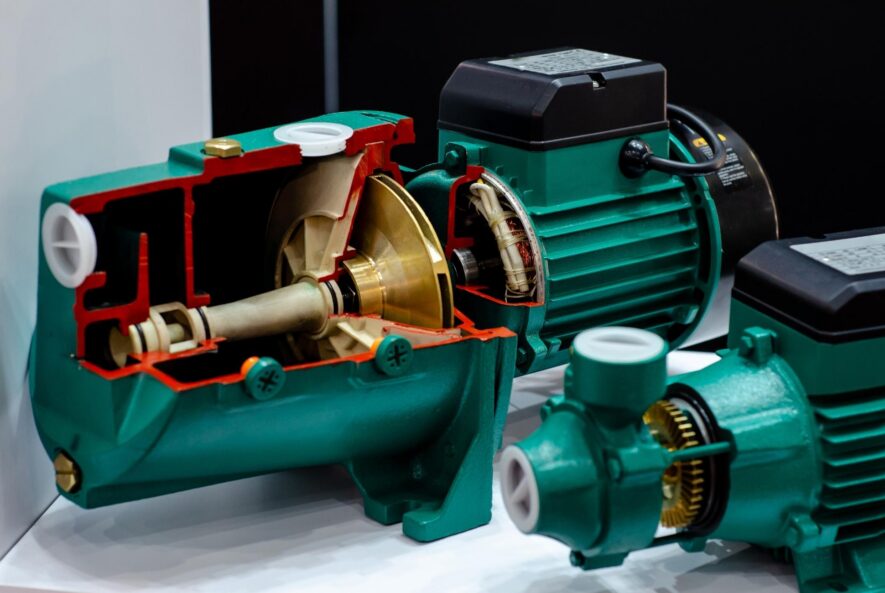
Priming a well pump means filling the pump body, pump, and suction line, and sometimes the suction pipe, with water so the pump can create enough vacuum to pull water from the well. Jet pumps, especially shallow well pumps, rely on water inside the casing to generate pressure and start water flow. Without water inside the pump, the impeller just spins against air, and the pump cannot function correctly or build pressure.
In a typical pump system, jet pumps sit above ground near the pressure tank, while submersible pumps are installed below the water level inside the well. Most submersible pumps are self-priming because they are already submerged, but the plumbing and water pumps above ground can still develop air leaks and lose pressure. Jet pump systems, on the other hand, need proper priming anytime the suction line is opened, drained, or exposed to air.
Priming is often necessary after a pump has been shut off for maintenance, after a power outage, when foot valves or check valves fail, or when loose fittings allow air into the piping. When you go through the priming process correctly, you’re refilling the pump and water line, so the pump starts with water in place, instead of air, and your system can function correctly again.
Signs Your Well Pump Needs Priming
A pump rarely fails without sending a few warning signs first. Recognizing these signals early can help you avoid burnt motors, damaged pressure tanks, and expensive pump repair. When priming is needed, the pump usually struggles to keep a steady water supply, and you’ll notice changes in how water flows through your fixtures.
One of the first signs is losing pressure at faucets and showers. Water may start strong and then fade, or you might see air bubbles and sputtering at the faucet when you turn it on. The pump runs for longer periods, sometimes constantly, but the water flow inside the house stays weak or stops altogether. You may hear unusual noises from the pump or piping as air moves through the system. The pressure gauge may refuse to climb, bounce around, or drop back down quickly after the pump shuts off.
These problems often appear in older, well pumps and shallow wells around Connecticut and Westchester. If you’re noticing any of these signs, a priming pump attempt may help, but it’s important not to run the pump dry for long. If you’re unsure what is causing the issue or how to fix it, All State Plumbing Pros can inspect the system, find air leaks or worn components, and restore safe water pressure before the pump is damaged.
Why Well Pumps Lose Prime
A properly installed pump system holds prime because the suction side stays full of water and free from air. When air enters the suction pipe or water drains back into the well, the pump loses its ability to pull water. Understanding why this happens makes it easier to prevent future problems and know when DIY attempts may not be enough.
Air Leaks in the Suction Line
Even a small crack, loose fitting, or tiny gap in the suction line can prevent proper priming. As the pump runs, air is drawn into the line through loose fittings, joints, or small holes in the piping. Instead of water flowing up from the ground, air pockets interrupt the vacuum. Over time, PVC piping can become brittle, and buried lines can shift with frost and soil movement, especially in New England climates.
Faulty Foot Valve or Check Valve
A foot valve at the bottom of the suction line is designed to hold water inside the pipe after the pump shuts off. A leaking foot valve or worn check valve allows water to slowly drain back into the well. When you try to restart the pump, the entire suction side is filled with air instead of water. This is one of the most common causes of a lost prime in older wells.
Low Water Level or Dry Well
Seasonal drought, heavy irrigation, or overuse can lower the water level in shallow wells. If the pump intake ends up above the water level, air is drawn in instead of water. Running a pump dry can damage internal parts and shorten the life of the motor. In some cases, the pump will need professional adjustment or replacement to reach deeper water or protect the system.
Debris or Blockages
Sediment, sand, and debris can build up in the suction line and pump casing, restricting flow and making pump priming more difficult. Clogged intake screens or valves can act like partial blockages. When the priming process doesn’t clear these obstructions, the pump may struggle, short-cycle, or lose pressure quickly.
Pressure Tank and System Issues
A pressure tank that isn’t charged correctly causes rapid cycling, which puts extra strain on the pump and increases the risk of air being drawn into the system. The pressure switch that tells the pump when to turn on and off can also malfunction. When these controls are out of balance, the pump runs more frequently and is more likely to lose prime.
Long Periods of Inactivity
Vacation homes or little-used properties often lose prime simply from sitting idle. Over time, water can drain back into the well, allowing air to fill the suction side. When the pump started after months of downtime, the system may need a full re-prime before it will operate reliably.
Safety Steps Before Priming a Well Pump
Working on a pump involves electrical power, water, and pressurized piping, so safety needs to come first. Before you begin any pump priming or plumbing work, make sure you’ve created a safe environment and eliminated obvious hazards.
Start by turning off the power at the breaker panel so the pump can’t start while you’re working on it. Double-check that the pump has shut off completely and no parts are still moving. If your pump is in a damp area, verify that there is no standing water around electrical components. Wear gloves and safety glasses to protect against splashing and sharp edges.
Next, visually inspect the pump housing, priming port, and nearby piping. Look for cracks, corrosion, or leaks around fittings, relief valves, and joints. If you suspect damaged wiring or see signs of burning, stop and call a professional. Confirm that your well cap is secure and that the system has access to enough water. These simple steps help ensure the priming process is safe and effective.
How to Prime a Well Pump (Step-by-Step Guide)
Priming a well pump is all about restoring water inside the pump and the suction side so the system can build pressure again. While the details vary slightly between models, most jet pumps and shallow well pumps follow a similar process. If you move slowly and regularly clean any debris, you can often get the pump primed without damaging any components.
Step 1: Turn Off Power
Begin by switching off the pump at the breaker panel. This cuts electrical power to the pump motor and prevents it from running dry while you work. Make sure the pump has stopped completely before you move on.
Step 2: Access the Priming Port
Locate the priming port or priming plug on top of the pump housing or pump casing. You may need a wrench or screwdriver to remove it. Carefully loosen and remove the plug so you can access the inside of the pump body. Set the plug and any washers aside where you can easily remove dirt before putting them back.
Step 3: Fill the Pump and Suction Line With Clean Water
Using a garden hose or a clean bucket, slowly begin filling the pump through the priming port. You want to use clean water so you don’t introduce debris into the pump system. Continue filling the pump until the pump housing and suction pipe are filled and water starts to overflow from the opening. This step helps push out air pockets that prevent proper priming. If water quickly drains away, it may indicate a leaking foot valve or a larger leak down the suction line.
Step 4: Replace the Priming Plug and Restore Power
Once the pump and suction line are filled, reinstall the priming plug securely. Make sure the plug and fittings are snug so new air leaks don’t form. Then go back to the panel and restore power. Watch and listen as the pump started. A primed pump should build pressure on the gauge, move water through the system, and then shut off when the pressure switch reaches its cut-off setting.
Step 5: Double Check Performance and Re-Prime if Needed
If the pressure gauge refuses to climb, the pump runs continuously, or you still hear air moving through the system, you may need to reprime the pump. Repeat the filling the pump step and check for any visible air leaks or loose fittings that could prevent proper priming. If the pump runs hot, loses pressure quickly, or never reaches normal pressure, it’s a sign that deeper pump repair, valve work, or suction line service is needed.
If you’re not comfortable working around electrical components or if repeated priming doesn’t restore normal water flow, All State Plumbing Pros can inspect the pump, pressure tank, valves, and piping to fix the root cause and protect your system from further damage.
Troubleshooting a Well Pump That Won’t Prime
When a pump refuses to stay primed, it usually indicates an underlying issue that simple priming won’t fix. Repeated attempts without success can overheat the motor and stress other components like the pressure tank and piping. It’s helpful to look at the overall system and match symptoms with likely causes.
Here is a quick troubleshooting overview:
| Symptom | Likely Cause | What Homeowners Can Check | When to Call a Pro |
|---|---|---|---|
| The pump won’t build pressure | Air leaks or loose fittings | Tighten fittings and check above-ground piping | If pressure still drops or the pump overheats |
| The pump needs priming repeatedly | Leaking foot valve or check valve | Listen for water draining back into the well | Valve or suction line replacement |
| No water at all | Low water level or dry well | Pause use and allow the well to recover | If water remains low or the pump runs dry |
| Pump cycles rapidly | Pressure tank or pressure switch issue | Check tank pressure and visible wiring | Tank service, control repair, or replacement |
| Water surges or sputters at the faucet | Air pockets in the suction line | Inspect for air leaks, loose joints | Persistent air requires professional pump repair |
In older pump systems around Connecticut and Westchester, buried suction lines and aging valves are common failure points. Small air leaks and failing foot valves can be hard to diagnose without testing equipment. If your pump cannot stay primed, it’s wise to have a licensed professional evaluate the system and recommend a long-term fix instead of risking damage with repeated DIY attempts.
How to Prevent a Well Pump From Losing Prime
Preventing a loss of prime comes down to keeping air out of the suction side and protecting sensitive components. With regular care, most pumps can run for years without needing frequent priming. A little maintenance can go a long way toward keeping water flowing and avoiding emergencies.
First, keep an eye on your water pressure and listen for changes in how the pump runs. If the pump runs longer than usual or starts and stops rapidly, it may be a sign that air is entering the system or the pressure tank is not working correctly. Inspect accessible piping for corrosion or leaks and repair any damp spots around joints before they expand.
Next, maintain the valves that hold water in place. Worn foot valves and check valves are a leading cause of lost prime, so replacing them as they age can prevent the suction line from draining back into the well. Keeping the well cap secure and the area around the well head clear of debris also protects the system. For homes with shallow wells, make sure the pump is properly sized to the depth so it doesn’t struggle when water levels drop.
Finally, consider a routine service schedule. Having a professional regularly clean filters, test the pressure tank, inspect the pressure switch, and check for underground leaks helps ensure your system stays stable year-round. All State Plumbing Pros offers preventive well pump service and plumbing maintenance to help homeowners in Fairfield County and Westchester County avoid surprises and keep their systems functioning smoothly.
When to Call a Professional in Connecticut or Westchester
While many homeowners can handle basic priming, not every well pump issue is safe or practical to tackle alone. Sometimes the safest option is to turn the pump off and call for professional pump repair before further damage occurs.
You should contact a licensed plumber if the pump won’t hold prime after several careful attempts, the pressure gauge drops right after the pump shuts off, or the motor becomes hot or emits burning smells. Other red flags include persistent air in the water, muddy or sandy water flowing from faucets, or a system that trips breakers when the pump turns on. Any of these signs can indicate deeper problems in the electrical, mechanical, or plumbing systems supporting your well.
Homes throughout Fairfield County, CT, and Westchester County, NY often rely on older wells and pumps that require expert attention to stay reliable. All State Plumbing Pros provides 24/7 emergency service, including diagnostics, pump replacement, suction line repair, and pressure tank service, so you don’t have to guess at the problem or risk damaging your equipment.
Conclusion
Priming a well pump is essential for keeping your home’s water system reliable and maintaining steady water pressure. A pump can lose its prime due to air leaks, a failing foot valve, low water levels, or aging pipes. Understanding how priming works, and the warning signs to watch for, helps you respond quickly and prevent costly damage. For many homeowners in Fairfield County, Connecticut, and Westchester County, New York, well pumps and shallow wells are part of everyday life, so keeping them in good condition is critical.
If your well pump keeps losing pressure, won’t stay primed, or has stopped pulling water altogether, it’s time for expert help. At All State Plumbing Pros, our licensed technicians provide 24/7 well pump repair, priming, and replacement services across Connecticut and New York. Whether you need emergency diagnostics, suction line repair, or a full system upgrade, contact us today for fast, reliable water solutions you can count on..
FAQs
How do you prime a well water pump?
To prime a well water pump, first turn off the power at the breaker and remove the priming plug on top of the pump housing. Use a hose or bucket to slowly fill the pump and suction line with clean water until they are filled and water overflows. Replace the plug, restore power, and watch the pressure gauge; if the system doesn’t build pressure or water flowing to fixtures is still weak, you may need to reprime or have the system inspected.
How do I get my prime back on my well pump?
You can get your prime back by refilling the pump casing and suction side with water and eliminating air leaks that prevent proper priming. Check accessible fittings, valves, and piping for damp spots, loose joints, or obvious cracks. If you still can’t keep the pump primed or the pump runs without building pressure, homeowners in Connecticut and Westchester can schedule professional well pump repair with All State Plumbing Pros for a long-term solution.
How long does it take for a well pump to prime?
In most cases, a jet pump should be successfully primed within a few minutes once the pump housing and suction pipe are filled with water. After you restore power, the pump should build pressure and then shut off normally. If the pump runs continuously, makes unusual noises, or fails to reach the normal pressure range, there may be deeper issues such as a low water level, a leaking foot valve, or air leaks in the suction line that need professional attention.
What is the process of priming a pump?
The process of priming a pump involves removing trapped air from the suction side and filling the pump body and suction line with water so the pump can create a vacuum and pull water from the well. This includes turning off electrical power, accessing the priming port, filling the pump with water, reinstalling the plug, and then turning the power back on to test the system. If this process doesn’t restore normal operation, it’s a sign that components like valves, piping, or controls may need repair or replacement.