
How Does Residential Plumbing Work? Systems Explained
If you have ever asked yourself how residential plumbing works, you are not alone. Most homeowners do not think about their plumbing system until something goes wrong, such as low water pressure, slow drains, or a sudden leak. Yet your residential plumbing system operates every day to deliver clean water, manage wastewater, and protect your home from contamination. Understanding how a home plumbing system works makes it easier to recognize early warning signs and take action before minor issues become major repairs.
In Fairfield County, CT, and Westchester County, NY, many homes have aging plumbing infrastructure, older pipe materials, and seasonal temperature changes that place additional stress on residential plumbing systems. Learning the basics of how plumbing works in a house can help homeowners respond more confidently to problems and know when professional service is necessary.
If you are experiencing recurring plumbing issues or want a clearer understanding of your system, working with a licensed residential plumber can help identify risks early and keep your home protected.
What Is Residential Plumbing and How Is the System Designed
Residential plumbing is the complete network of pipes, fixtures, valves, and appliances that supply fresh water to a home and remove wastewater safely. A properly designed residential plumbing system keeps drinking water clean, prevents sewer gases from entering living spaces, and maintains steady water pressure throughout the house.
At a basic level, residential plumbing is built around three core functions. First, it delivers potable water for drinking, cooking, cleaning, and bathing. Second, it removes wastewater and directs it away from the home through a drainage system. Third, it uses venting to regulate air pressure so drains work efficiently and odors remain outside. These systems operate together, which means a problem in one area often affects another.
Modern residential plumbing systems are designed to meet building codes and health standards, but older homes may rely on outdated pipe materials or layouts. Understanding how these systems are connected helps homeowners recognize why plumbing problems often show up in unexpected places.
The Three Main Parts of a Residential Plumbing System
Every home plumbing system is made up of three interconnected parts. When these components work properly, water flows smoothly in and out of the house. When one part fails, symptoms can appear throughout the system.
Water Supply System
The water supply system brings clean water into the home under pressure. Water enters through the main water line and is distributed through a network of pipes to fixtures and appliances.
Drain-Waste-Vent (DWV) System
The drain-waste-vent system removes wastewater and regulates air pressure. Drains carry waste away using gravity, vents allow air to enter the system, and traps prevent sewer gases from escaping indoors.
Fixtures and Appliances as Connection Points
Fixtures such as sinks, toilets, tubs, and showers serve as connection points between supply and drainage systems. Appliances like washing machines and dishwashers rely on both systems to operate safely.
| System | Purpose | How It Works |
| Water Supply | Delivers clean water | Uses pressure to move water |
| Drainage | Removes wastewater | Uses gravity and pipe slope |
| Venting | Balances air pressure | Prevents suction and odors |
How Water Gets Into Your Home and Moves Through It
Water enters your home through the main water line, which connects to a municipal water supply or a private well system. In many homes across Fairfield County and Westchester County, the main water shutoff valve and water meter are located in basements, crawl spaces, or utility rooms. Knowing where this valve is located is important during plumbing emergencies.
Once inside the house, cold water flows through supply pipes to fixtures and appliances. Some of this cold water is diverted to the water heater, where it is heated and distributed through hot water lines. Most fixtures receive both hot and cold water, allowing temperature control at the point of use.
Older homes may experience inconsistent water pressure due to aging pipes, mineral buildup, or partially closed valves. Homes that rely on well systems may experience pressure changes related to pump or pressure tank performance. In these cases, a professional residential plumbing inspection can determine whether the issue is related to the water supply system or internal piping.
How Drains, Traps, and Sewer Lines Work Together
After water is used, it must exit the home efficiently and safely. The drainage system relies on gravity rather than pressure, which is why proper pipe slope is essential for wastewater flow.
Each fixture drains into a pipe that slopes downward toward the main drain line. Plumbing traps, which are the curved sections of pipe beneath sinks and other fixtures, retain a small amount of water. This water barrier prevents sewer gases from entering the home while still allowing wastewater to pass through.
All drains eventually connect to the main sewer line or septic system. When this line becomes blocked or damaged, problems often appear in multiple fixtures at once. Professional drain cleaning services and repairs help restore flow and prevent wastewater backups that can damage floors, walls, and foundations.
What Plumbing Vents Do and Why They Matter
Plumbing vents are a critical but often misunderstood part of residential plumbing. Vent pipes allow air to enter the drainage system, which keeps pressure balanced and allows wastewater to flow freely.
Without proper venting, drains can slow down, make gurgling noises, or release sewer odors into the home. These symptoms often indicate vent blockages, improper vent connections, or drainage issues affecting airflow.
Vent problems are not always visible from inside the home, which is why persistent odors or gurgling sounds should be evaluated by a licensed plumber. Proper venting protects both indoor air quality and the overall performance of the plumbing system.
How the Water Heater Fits Into Residential Plumbing
The water heater plays a central role in residential plumbing by providing hot water for daily activities. Cold water enters the heater, is warmed, and then distributed through hot water pipes to sinks, showers, and appliances.
Plumbing issues can directly affect water heater performance. Low water pressure, sediment buildup, or faulty valves may reduce efficiency or cause temperature fluctuations. Leaks near the water heater often point to supply or drainage problems rather than the appliance itself.
Routine water heater repair and installation services help maintain consistent hot water, improve efficiency, and protect connected plumbing lines from premature wear.
Common Residential Plumbing Problems and What They Mean
Residential plumbing problems often appear as minor inconveniences, but they usually point to underlying system issues. Recognizing these signs helps homeowners take action before more serious damage occurs.
| Symptom | Likely Cause | Plumbing System Involved |
| Low water pressure | Mineral buildup, leaks, valve issues | Water supply |
| Slow drains | Partial clogs or vent problems | Drainage |
| Gurgling sounds | Venting or drain obstructions | DWV system |
| Sewer odors | Dry traps or vent issues | DWV system |
| Repeated clogs | Main drain or sewer line problems | Drainage |
When plumbing problems affect multiple fixtures or return after temporary fixes, professional residential plumbing services can diagnose the entire system rather than treating individual symptoms.
When to Call a Residential Plumber vs DIY
Some basic plumbing issues can be handled safely by homeowners, such as replacing a faucet washer or clearing a simple sink clog. However, many plumbing problems involve hidden pipes, pressurized water lines, or drainage systems that require professional expertise.
If issues affect more than one fixture, involve sewer odors, or keep returning after basic repairs, calling a licensed plumber is the safest option. Delaying professional service can allow leaks, corrosion, or blockages to worsen, leading to higher repair costs.
When plumbing problems escalate quickly or involve flooding or sewage, contacting an emergency plumber ensures the issue is handled safely and promptly.
Why Residential Plumbing Inspections Matter
Residential plumbing inspections provide a proactive way to protect your home. Inspections can identify early signs of corrosion, leaks, pressure irregularities, or drainage problems before they turn into emergencies.
In older homes common throughout Connecticut and New York, inspections are especially valuable due to aging pipes and outdated materials. Routine inspections help homeowners plan repairs, avoid unexpected failures, and maintain safe, efficient plumbing systems.
Conclusion
Understanding how residential plumbing works gives homeowners clarity and confidence. From water supply and drainage to venting and water heating, each component plays a vital role in daily comfort and safety. When plumbing problems arise, recognizing the warning signs helps you respond quickly and avoid unnecessary damage.
If you’re noticing slow drains, low water pressure, recurring clogs, or unexplained plumbing issues, don’t wait until a small problem turns into a costly repair. At All State Plumbing Pros, our licensed plumbers are available 24/7 to help homeowners and businesses across Connecticut and New York. From residential plumbing inspections and drain cleaning to water heater repairs and emergency plumbing service, contact us today for reliable, professional service you can trust.
FAQs
How does plumbing work in a house?
Plumbing in a house works by delivering clean water through pressurized supply pipes and removing wastewater through gravity-fed drains. Vent pipes regulate air pressure to keep drains flowing smoothly and block sewer gases. Together, these systems maintain sanitation and comfort inside the home.
What is the most common residential plumbing problem?
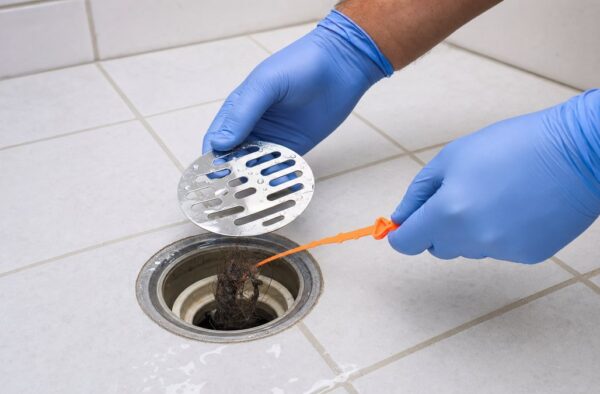
Clogged drains are one of the most common residential plumbing problems, often caused by grease, hair, or debris buildup. Low water pressure and leaking fixtures are also frequent, especially in older homes. Addressing these issues early helps prevent larger plumbing failures.
What do local plumbers charge per hour?
Hourly rates for local plumbers vary based on experience, service type, and urgency. Emergency plumbing services typically cost more than scheduled maintenance or inspections. A professional evaluation provides more accurate pricing based on the specific problem rather than a flat hourly rate.
What is residential plumbing?
Residential plumbing refers to the pipes, fixtures, appliances, and systems that supply clean water and remove wastewater in a home. It includes water supply lines, drainage and venting systems, and water heaters. Licensed residential plumbers ensure these systems operate safely and meet local codes.