Water Pressure Regulator: Signs, Safe Pressure Levels, and Cost
A water pressure regulator is one of the most important yet often ignored devices in a home’s plumbing system. This pressure regulator controls incoming water pressure and helps protect pipes, fixtures, and appliances from long-term stress. Many homeowners in Fairfield County, CT, and Westchester County, NY, don’t realize they have high water pressure until leaks appear, toilets run nonstop, or a water heater fails unexpectedly.
When pressure is too high, water flowing through the main water line enters the house with more force than most fixtures are designed to handle. Over time, that excess pressure weakens joints, fittings, and moving parts throughout the plumbing system. If you’ve noticed pressure changes, recurring leaks, or appliance issues, a licensed plumber can test the system and determine whether the regulator needs to be adjusted or replaced. All State Plumbing Pros provides 24/7 residential and commercial plumbing services to help correct pressure problems before they turn into costly repairs.
What Is a Water Pressure Regulator and What Does It Do?
A water pressure regulator, also called a pressure reducing valve, is a mechanical valve installed where the main water line enters the house. Its job is to reduce incoming high pressure from the municipal supply and deliver water at a controlled, safe level to the entire plumbing system.
Municipal water systems often supply pressure well above what most homes need. In some areas, pressure can exceed 100 pounds per square inch, while most residential fixtures work best at much lower levels. Without a regulator in place, that pressure flows directly through pipes, faucets, toilets, and appliances.
Inside the regulator is a variable spring-loaded diaphragm that responds to pressure changes. As water flows through the line, the spring compresses to limit pressure and maintain balance. When functioning correctly, this device quietly controls pressure without the homeowner noticing.
A properly installed regulator helps:
- Control and stabilize water pressure throughout the house
- Protect pipes, joints, and fittings from excess stress
- Extend the life of a water heater, dishwasher, and washing machine
- Reduce leaks, noisy pipes, and premature fixture failure
In most homes, the regulator is installed just after the water meter and main shutoff valve, making it a central point of pressure control.
What Is Normal Water Pressure for a Home?
Most residential plumbing systems perform best when pressure stays between 40 and 60 PSI. This range provides enough pressure for showers, sinks, and appliances to operate correctly without damaging pipes or fixtures.
When pressure rises above 80 PSI, it’s generally considered high water pressure. At that level, many plumbing codes recommend or require a pressure valve to limit incoming pressure and prevent damage. Even if a regulator isn’t required by code, pressure above this range can still create long-term problems.
Here’s how pressure levels typically affect a house:
| Pressure Range | What It Means | Risk Level | Recommended Action |
| Below 40 PSI | Low water pressure | Low | Check for clogs or valve issues |
| 40–60 PSI | Ideal range | None | No action needed |
| 60–80 PSI | Elevated | Moderate | Monitor pressure |
| Above 80 PSI | High pressure | High | Install or replace the regulator |
Homes in older areas of Danbury, New Milford, Ridgefield, and Wilton may be more vulnerable because aging pipes and joints handle pressure less effectively than newer systems.
Signs Your Water Pressure Regulator Is Failing
A failing regulator rarely stops working all at once. Instead, the internal spring or diaphragm begins to wear out, causing inconsistent pressure that stresses the plumbing system over time. Homeowners often notice issues in multiple fixtures at once, which is a key warning sign.
Before listing specific symptoms, it’s important to note that pressure problems often affect the entire house, not just one faucet or shower. If problems appear across multiple fixtures, the regulator should be tested.
Common signs of a failing water pressure regulator include:
- Sudden changes in water pressure when faucets or toilets are used
- Banging or knocking pipes caused by trapped air or pressure spikes
- Leaks at faucets, joints, or hose faucets
- Toilets that refill too quickly or run continuously
- Shortened life of appliances such as dishwashers and washing machines
- Repeated pipe leaks or risk of burst pipes
When pressure problems escalate quickly, contacting a 24/7 emergency plumber can help prevent major water damage. Fixing the regulator early often costs far less than repairing multiple leaks or replacing damaged appliances.
How to Test Your Home’s Water Pressure (DIY vs Professional)
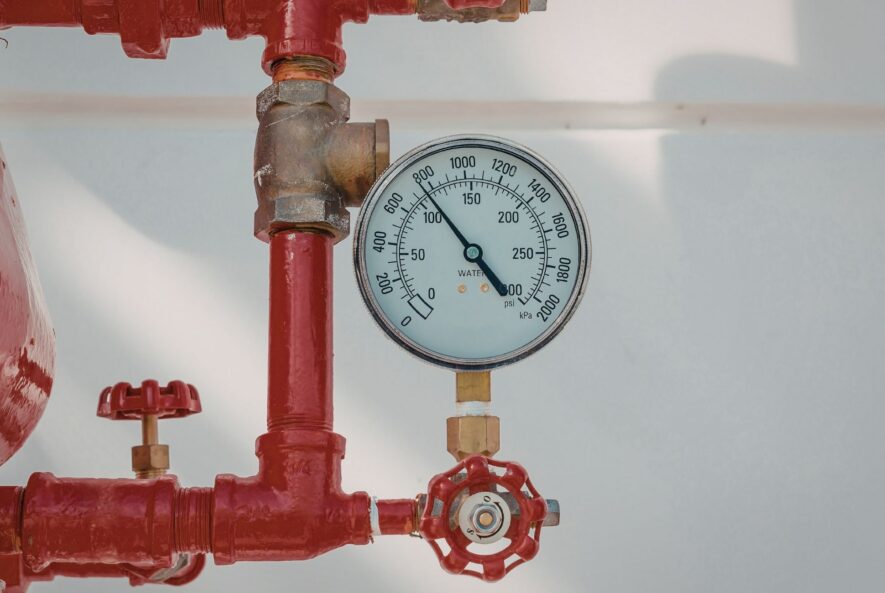
Testing water pressure usually starts with a pressure gauge attached to a hose faucet or laundry connection. While homeowners can perform a basic test, interpreting the results correctly requires knowledge of how pressure behaves when water is flowing versus static.
To test pressure at home:
- Attach a pressure gauge to a hose faucet.
- Make sure all water inside the house is turned off.
- Record the static pressure reading.
- Turn on several fixtures and observe pressure changes.
A single reading doesn’t always tell the full story. Some regulators fail intermittently, causing pressure spikes only when water demand changes. Licensed plumbers use professional tools and repeat tests at different points in the system to determine whether the pressure regulator is controlling pressure correctly or failing under load.
Can High Water Pressure Damage Pipes and Appliances?
Yes, high water pressure is one of the most common causes of hidden plumbing damage. Excess pressure creates constant stress on pipes, joints, fittings, and seals, gradually weakening them until leaks appear.
Water heaters are especially vulnerable. High pressure forces water through internal components faster than designed, damaging heating elements, relief valves, and tank linings. Appliances like dishwashers and washing machines rely on pressure controls that can fail early when exposed to excess pressure.
Correcting pressure issues helps protect your investment and extend the life of your plumbing system. Many homeowners avoid repeated water heater repair costs by addressing pressure problems early rather than dealing with emergency failures later.
Adjusting vs Replacing a Water Pressure Regulator
Some pressure regulators include an external adjustment screw that allows pressure to be raised or lowered. Turning the screw clockwise generally tightens the spring to increase pressure, while loosening it reduces pressure.
However, adjustment only works if the regulator’s internal moving parts are still in good condition. Over time, springs wear out, and diaphragms fail, making it impossible for the valve to maintain consistent pressure.
The decision usually depends on condition and age:
| Condition | Best Solution |
| Minor pressure drift | Adjust |
| Inconsistent pressure | Replace |
| Visible leaks or corrosion | Replace |
| Older regulator (10+ years) | Replace |
Commercial plumbing systems often require full replacement rather than adjustment due to higher demand and stricter performance requirements. A licensed plumber can determine the safest and most cost-effective solution.
How Much Does a Water Pressure Regulator Cost?
The cost to replace a water pressure regulator depends on several factors, including the type of valve, installation complexity, and whether the system is residential or commercial. Accessibility of the main water line also affects labor time.
Replacement typically includes:
- The regulator device
- Installation and pressure testing
- System inspection and adjustment
While replacement requires an upfront investment, it often saves money by preventing leaks, appliance failure, and water damage. For most homes, proper pressure control pays for itself over time.
Water Pressure Regulators and Well Pump Systems
Homes with well systems use pressure tanks and switches rather than a constant municipal supply. In these systems, a pressure regulator must work in coordination with the pump to avoid low water pressure or rapid cycling.
Incorrect installation or adjustment can shorten pump life and create inconsistent pressure throughout the house. Professional well pump service ensures all components work together correctly and maintain stable pressure.
When to Call a Licensed Plumber for Pressure Problems
If pressure issues persist, fluctuate, or cause visible leaks, it’s time to call a licensed plumber. Pressure problems often involve safety risks, code requirements, and system-wide stress that DIY fixes can’t address.
Homeowners in Fairfield County, CT, and Westchester County, NY, rely on All State Plumbing Pros for accurate pressure testing, professional installation, and long-term solutions. With true 24/7 service, help is available when pressure problems turn urgent.
Conclusion
A properly functioning water pressure regulator plays a critical role in protecting your plumbing system from long-term damage caused by high or unstable pressure. By maintaining safe pressure levels, this device helps prevent leaks, reduces stress on pipes and fixtures, and extends the life of appliances like water heaters and dishwashers. Understanding how pressure affects your home, recognizing early warning signs, and addressing regulator issues promptly can save money, reduce repairs, and keep your plumbing system operating reliably over time.
If you’re noticing pressure issues, frequent leaks, or signs of high water pressure in your home, All State Plumbing Pros is here to help. Our licensed plumbers serve homeowners and property owners across Connecticut and New York, providing 24/7 support for pressure regulator testing, adjustments, replacements, water heater protection, and emergency plumbing needs. Whether you’re addressing a sudden pressure problem or taking a proactive step to protect your plumbing system and appliances, you can rely on our experienced team for safe, professional solutions you can trust. Contact us today to get started.
FAQs
What is a pressure regulator for water?
A pressure regulator for water is a valve that limits incoming water pressure to a safe level for your plumbing system. It protects pipes, fixtures, and appliances from damage caused by excess pressure. Most homes rely on a regulator to maintain consistent pressure.
How do I adjust my water pressure regulator?
Many regulators include an adjustment screw that can be tightened or loosened to change pressure. Adjustments should be made slowly while monitoring pressure with a gauge. If pressure remains unstable, the regulator likely needs replacement.
Where is the water pressure regulator in my house?
The regulator is typically located near where the main water line enters the house, often close to the water meter or main shutoff valve. It may be in a basement, crawl space, or utility area. A plumber can quickly locate and inspect it.
Does my house need a water pressure regulator?
If water pressure exceeds 80 PSI, a regulator is generally recommended and may be required by code. Even below that level, a regulator helps protect pipes and appliances from long-term stress. A professional pressure test can confirm whether your home needs one.