Water Heater Leaking? Here’s What to Do Next
A leaking water heater is one of the most common and costly plumbing emergencies homeowners face. Whether it’s a small leak from the drain valve or water pooling beneath the tank, every drip can signal a serious water heater issue. Ignoring a leak risks extensive water damage, corrosion, and even electrical hazards.
If you live in Fairfield County, Connecticut, or Westchester County, New York, knowing what causes a leak and how to handle it can prevent thousands in repairs. This guide explains the common reasons your water heater leaks, how to prevent water heater leaks, and when to seek professional help from the experts at All State Plumbing Pros.
If you notice water dripping or steam escaping, shut off power and water immediately, and contact our 24/7 emergency plumbers for fast service anywhere in Connecticut or New York.
What to Do First If Your Water Heater Is Leaking
If you discover your water heater is leaking, act quickly to minimize further damage. Even a small leak can lead to major problems once pressure and temperature build up inside the tank.
Here’s what to do before calling a professional:
- Turn off the power or gas supply:
- For electric water heaters, switch off the circuit breaker to the unit.
- For gas supply systems, rotate the control knob to the off position to stop the gas flow.
- Shut off the cold water supply: Locate the cold water inlet valve (usually above the tank) and turn it clockwise until it’s fully closed. This stops cold water from entering and creating more flow through the leak.
- Release water safely: If the tank is full, attach a garden hose to the drain valve at the bottom and release water into a nearby drain. Doing so relieves pressure and prevents flooding.
- Inspect the connection points: Check for loose connections on the cold water inlet pipe, hot water outlet, and pressure relief valve. Even a small amount of moisture can help identify where the leak begins.
- Call a licensed plumber: Avoid DIY fixes if you’re unsure of the source. All State Plumbing Pros can identify whether your unit needs simple repairs or a full replacement.
If you’re in Danbury, Ridgefield, or New Milford, our 24/7 emergency plumbers can restore safety and comfort before leaks cause further issues.
Common Reasons Your Water Heater Is Leaking
A leaking water heater can come from several areas, each pointing to different common reasons. Some problems require tightening a valve or fitting, while others, like a cracked tank, mean you’ll need a full replacement.
Leak from the Bottom of the Tank
The most frequent source of leaks is the drain valve at the bottom of the water tank. Over time, sediment and mineral deposits from hard water can collect inside, leading to sediment buildup. This buildup traps heat and causes the bottom to overheat, creating the perfect environment for corrosion.
If you notice water dripping from the valve, try tightening it gently. If it continues leaking, the valve may be broken and require replacement. However, if water is seeping directly from the tank, corrosion may have eaten through the steel shell, meaning the entire water heater must be replaced.
All State Plumbing Pros offers expert water heater repair and installation to handle corroded tanks, sediment, and anode rod replacements to extend your heater’s life.
Leak from the Top of the Tank
Leaks from the top are often caused by loose connections in the cold water inlet pipe, hot water outlet, or a failing pressure relief valve. The constant expansion and contraction from temperature changes can loosen fittings or crack the connection point.
If water drips from where cold water enters the tank, it’s likely due to a worn washer or a loose fitting. Tightening or replacing these parts can stop the leak. If the relief valve itself leaks, it may be due to excessive pressure or thermal expansion inside the heater.
Leak from the Side or Pressure Relief Valve
The pressure relief valve, sometimes called the T&P valve, is a critical safety component that prevents explosions from high pressure or temperature. It releases a small amount of water or steam when needed, but constant dripping means it’s failing or the system has too much pressure.
To fix it:
- Turn off the power and cold water supply.
- Lift the valve’s lever to release water and clear any debris.
- If it continues leaking, replace the relief valve or call a professional to check for overpressure from thermal expansion.
Condensation or Overpressure Issues
Sometimes, water pooling near your unit isn’t a true leak; it’s condensation caused when cold water meets a hot tank or humid air. This is normal in electric heaters, especially during winter.
However, if dripping persists, the problem could be an expansion tank that’s full or incorrectly sized. The expansion tank absorbs pressure spikes caused by thermal expansion as heated water expands. Without it, stress builds and forces water through weak seals or loose fittings.
If you suspect pressure issues, All State Plumbing Pros can test your water supply pressure, install or replace expansion tanks, and keep your system balanced to prevent further damage.
Quick Reference: Leak Locations and Fixes
| Leak Location | Common Cause | Recommended Fix | Typical Cost (CT/NY) |
|---|---|---|---|
| Bottom | Sediment buildup, corrosion, and drain valve failure | Replace the valve or the tank | $150–$1,200 |
| Top | Loose fittings, worn relief valve | Tighten or replace parts | $90–$350 |
| Side | Faulty T&P valve, pressure buildup | Replace valve, install expansion tank | $120–$400 |
| Whole Unit | Cracked tank, severe corrosion | Replace the water heater | $900–$2,000+ |
Repair vs. Replacement: How to Decide
Knowing when to repair or replace a leaking water heater depends on its condition, age, and water flow performance. If leaks come from valves, fittings, or loose connections, minor repairs can solve the problem. However, when the tank is rusted or cracked, replacement is the only permanent fix.
Signs you need a new water heater:
- Rusty or cloudy hot water
- Popping or hissing noises from sediment buildup
- Irregular temperature or limited hot water
- Moisture or corrosion around the base
- Heater older than 10–12 years
Repair costs typically range from $150–$400, while replacing the entire water heater in Connecticut or New York averages $1,000–$2,000, depending on size and model. A properly sized heater will maintain a consistent water flow and last longer with regular maintenance.
If you’re unsure, All State Plumbing Pros can inspect your unit, assess the leak, and recommend the most cost-effective solution for your home.
Safety Risks and When to Call a 24/7 Plumber
Even a small leak poses real safety concerns. Leaks near electrical lines, gas supply pipes, or the circuit breaker can quickly escalate. Common dangers include:
- Electrical shock from water contacting live wires in electric heaters
- Gas leaks or carbon monoxide exposure in gas models with loose fittings
- Flooding and structural damage from unnoticed leaks
- Pressure bursts due to a blocked or faulty pressure relief valve
Never attempt to fix high-pressure leaks or gas line issues yourself. For safety and compliance, always rely on licensed professionals. If you live in Fairfield County or Westchester County, All State Plumbing Pros offers 24/7 emergency repair services to secure your system and prevent further hazards.
Preventing Future Water Heater Leaks
The best way to prevent water heater leaks is through regular maintenance and pressure control. Every water heater, whether electric or gas, benefits from seasonal inspection and flushing.
Here’s how to protect your system:
- Flush your tank annually. Draining a few gallons through the drain valve helps reduce sediment buildup and maintain efficient heating.
- Inspect the anode rod every 3–5 years. This sacrificial component prevents corrosion and should be replaced when it’s less than half its original thickness.
- Check the pressure relief valve. Open it briefly once a year to confirm it releases water properly.
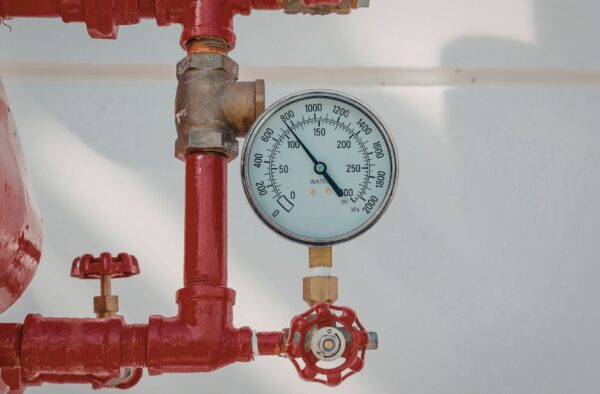
- Monitor system pressure. Ideal household pressure is between 50–60 psi.
- Install or maintain an expansion tank. This balances pressure caused by thermal expansion and helps prevent cracks or leaks.
- Insulate pipes. Reduces condensation and minimizes strain during freezing temperatures.
For professional inspection or maintenance, schedule a visit with our residential plumbing team. Our experts ensure your water heater stays reliable and secure year-round.
Conclusion
A water heater leak is not something to ignore; it’s a warning sign that your system needs immediate attention. Whether caused by loose connections, corrosion, or pressure buildup, quick action can prevent major damage and restore your hot water safely.
If your water heater is leaking, showing rust around the tank, or struggling to keep up with your hot water needs, it’s time to act fast. All State Plumbing Pros provides 24/7 emergency plumbing service across Connecticut and New York, specializing in accurate leak detection, valve replacement, and full system repairs. Whether you need quick fixes or a complete water heater replacement, trust our licensed experts to restore safety, performance, and peace of mind. Contact us today for dependable, same-day service.
FAQs
What should I do if my water heater is leaking?
Immediately shut off the cold-water inlet valve and turn the heater power off at the circuit breaker or gas control. Contain any water with towels or a bucket, then contact a licensed plumber. In Connecticut and New York, All State Plumbing Pros can quickly locate and fix the issue.
Can I still use a water heater if it is leaking?
No. Using a leaking water heater can lead to further damage or pressure buildup. Continuing to run hot water may worsen cracks, cause steam release, or short-circuit the system. Always power down and seek professional help before using it again.
Is a leaking water heater an emergency?
Yes, it’s an emergency. Even a small amount of dripping water can cause extensive water damage and threaten electrical or gas components. Contact an emergency plumber immediately to prevent serious structural or safety risks.
How serious is a leaking water heater?
A leak might start small but quickly lead to flooding, corrosion, and heater failure. Ignoring leaks can reduce your heater’s lifespan and increase repair costs. Scheduling timely repairs with All State Plumbing Pros ensures safety, reliability, and efficiency.