Top Signs of Well Pump Failure Every Homeowner Should Know
A properly functioning well pump keeps your home’s water system running smoothly, supplying consistent water pressure, clean water, and steady flow. But when parts like the pressure tank or pressure switch start to wear down, you may notice low water pressure, air spurts, or strange noises from the plumbing system. Recognizing the early signs of well pump failure can help prevent costly repairs and keep your water flowing safely.
For homeowners in Fairfield County, CT, and Westchester County, NY, quick action is crucial. All State Plumbing Pros offers 24/7 emergency plumbing and well pump repair to restore your well water system fast.
What Are the Signs of Well Pump Failure?
A malfunctioning well pump affects your entire water supply, often showing multiple symptoms before it stops working entirely. You might notice a sudden drop in water pressure, air bubbles in faucets, or unusual noises from your pump. Some systems also run constantly, showing mechanical wear or pressure tank issues.
Common signs of well pump problems include:
- Low or no water pressure
- Air sputtering from faucets
- Constantly running pump
- Dirty, cloudy, or discolored water
- Rising electric bills
- Clicking or humming noises
- Water temperature fluctuations
- Short-cycling or frequent on/off cycles
These well pump failure symptoms are particularly common in older systems around Fairfield and Westchester, where changing water levels and suction line conditions can strain equipment.
1. Low or No Water Pressure
A sudden drop in water pressure often points to a faulty pressure switch, clogged line, or weakened pressure tank. When the well pump struggles to maintain consistent flow, it may indicate internal wear or sediment buildup.
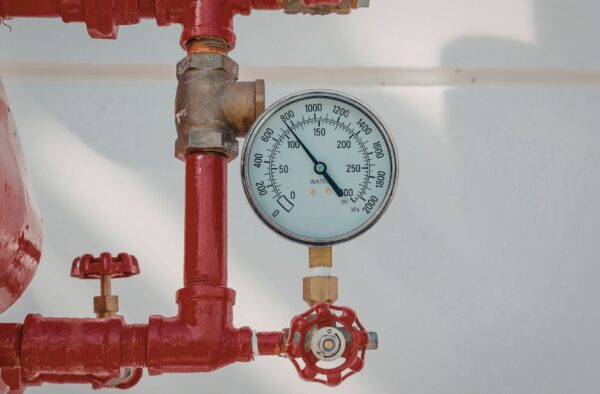
If your Danbury or Ridgefield home experiences weak flow or irregular pressure, check your pressure gauge. If readings stay low or fluctuate rapidly, that could be a sign of pump failure or an imbalance between air pressure and water flow in the well pressure tank.
Low pressure also increases your energy bills because the pump motor must work harder to push water. Contact a professional for pump troubleshooting through our Residential Plumbing service to restore normal pressure safely.
2. Air in Faucets or Sputtering Water
If your faucets sputter or release bursts of air, your system may be pumping air, a classic indicator of well pump failure. This can happen if the water level in your well is low or if cracks have formed in the suction line.
In many cases, the submersible pump may draw in air due to a leak in the pipe or a failing seal. Over time, this can cause the motor to overheat or run dry, damaging the internal components. To test, let your faucet run briefly if air keeps spitting. Call an Emergency Plumber right away to prevent further damage to your well system.
3. Pump Running Constantly or Short-Cycling
If your pump runs nonstop or switches on and off repeatedly, your pressure switch, bladder tank, or well pressure tank may not be functioning properly. A constantly running pump signals leaks, a waterlogged tank, or an electrical issue, while short cycling often means the tank bladder has ruptured.
| Sign | Likely Cause | Recommended Action |
| Constantly Running | Leak or low water level | Check for leaks, contact a professional |
| Short-Cycling | Faulty pressure switch or bladder tank | Replace the switch or service tank |
| Pressure Falls Quickly | Waterlogged tank | Drain or replace the tank |
If ignored, these pump cycles put strain on your motor and reduce the average lifespan of your system. For professional inspection, schedule a Well Pump Service appointment today.
4. Dirty, Cloudy, or Discolored Water
Discolored or cloudy water often means your pump is pumping sediment from the bottom of your well casing. Sediment and sand can clog filters, damage plumbing fixtures, and indicate that your water pump or sediment filter needs attention.
These contaminants can lead to poor water quality and even health risks if bacteria are drawn into the system. Cleaning or replacing filters and properly maintaining the pressure tank can prevent this. If your water appears rusty or gritty, call for pump repair before major damage occurs.
5. Higher Electricity Bills
A sudden increase in your electric bill could be a sign that your well pump is working harder than usual. When the system runs constantly due to leaks or pressure loss, it uses more power to push water through clogged filters or failing valves.
| System Type | Normal Operation | Overworked System |
| Efficient Pump | Runs intermittently | Runs nearly nonstop |
| Pressure Tank | Maintains steady PSI | Drops pressure frequently |
| Energy Usage | Stable | 10–30% higher bills |
In Wilton and New Milford, older systems with mechanical problems and poor air pressure regulation often consume extra energy. A timely pump service can help avoid costly repairs and lower your utility costs.
6. Unusual Noises from the Pump
A faulty well pump may produce strange noises such as grinding, humming, or clicking. These sounds often indicate worn bearings or air trapped in the pump housing. A healthy submersible pump should run quietly, so any new noise means something isn’t functioning properly.
For businesses and larger residential properties, noise could also mean that jet pumps or pressure tanks are vibrating or misaligned. Addressing these mechanical problems early helps prevent complete pump replacement. Our Commercial Plumbing team handles large-scale well system repairs for local facilities.
7. Water Quality or Taste Changes
Changes in taste or odor may indicate your well water system is pulling from a lower level where other contaminants or minerals collect. Metallic flavors suggest iron or manganese, while sulfur smells point to bacteria or decaying material.
While installing a water softener or sediment filter may help, these could also be common signs of a malfunctioning well pump. Always test your well water for quality and contact a licensed plumber if taste changes persist.
8. Pump Age Over 10–15 Years
The average lifespan of most well pumps ranges from 8 to 15 years. Systems older than that often experience weak flow, pressure falls, and other minor problems that become major over time.
If your pump water system is over a decade old, plan a pump replacement before it fails. Regular maintenance, like checking the pressure tank issue, cleaning filters, and inspecting the circuit breaker, can extend life and prevent downtime.
Common Causes Behind Well Pump Problems
Most well pump problems trace back to a faulty pressure switch, pressure tank issues, or low water levels in the well. Recognizing which applies helps avoid unnecessary parts replacement.
| Cause | Symptom | Recommended Action |
| Faulty Pressure Switch | Rapid cycling | Replace switch |
| Waterlogged Pressure Tank | Constantly running pump | Drain or replace the tank |
| Low Water Level | No water flow | Adjust pump depth or prime the system |
These issues disrupt water pressure and cause uneven flow rates. Proper inspection ensures your plumbing system keeps functioning properly. Contact All State Plumbing Pros for professional diagnostics and fast repairs.
How Long Does a Well Pump Last?
With proper care, a well pump lasts 8–15 years. But well water quality, water usage, and system design all affect longevity. Hard water and sediment can wear out submersible pumps and jet pumps, while electrical faults can damage the motor.
In Connecticut and New York, seasonal freeze-thaw cycles stress older systems. Regular inspections of the pressure tank, pressure gauge, and suction line help maintain performance and prevent further damage. Book your annual service with All State Plumbing Pros to keep your system functioning properly.
When to Call a Licensed Plumber
If your water pump shows multiple issues, like low water pressure, pumping air, or a constantly running motor, you should contact a professional immediately. Continuing to use a malfunctioning well pump risks overheating, short-circuiting, or contamination.
All State Plumbing Pros offers 24/7 well pump repair and diagnostics across Fairfield County, CT, and Westchester County, NY. Whether you need pump troubleshooting, a pressure switch replacement, or full pump service, our licensed technicians can help restore water safely. Visit our Emergency Plumber or Well Pump Service pages for more details.
Conclusion
Ignoring the signs of well pump failure, from low water pressure to unusual noises, can cause costly repairs, poor water quality, and even a complete system shutdown. Addressing problems early helps maintain consistent water flow and prevents breakdowns in your plumbing system.
If your well pump is running constantly, losing pressure, or producing cloudy water, don’t wait for a complete system failure. All State Plumbing Pros offers 24/7 emergency plumbing and well pump service across Connecticut and New York. Our licensed professionals specialize in pressure tank inspection, pump repair, and full pump replacement to restore steady water flow and prevent costly damage. Whether it’s a minor issue or a major breakdown, trust our experts for fast, dependable service. Contact us today for reliable, same-day well pump repair.
FAQs
How can you tell if the well pump is bad?
A bad water pump often causes decreased water pressure, air spurts, or unusual noises from the well system. Other clues include cloudy water or higher energy bills. If these are a sign of failure, contact All State Plumbing Pros for professional help.
What is the life expectancy of a well pump?
Most well pumps last 8–15 years with routine maintenance. Factors like water quality, pressure tank condition, and pump cycles affect lifespan. Regular tune-ups can extend longevity and prevent major problems.
What is the most common problem with a water pump?
The most common pump problems are a faulty pressure switch or a waterlogged pressure tank, both of which cause frequent cycling or weak flow. Routine service prevents these from escalating into full pump failure.
What is one way to test for a bad water pump?
Check your pressure gauge. If pressure falls quickly or the pump runs constantly, there may be a pressure tank issue or an electrical fault. Avoid DIY testing; contact a professional for an accurate diagnosis.