10 Signs of Hard Water in Your Home: Fix It Fast
Many homeowners experience the signs of hard water without realizing what is causing the problem. Hard water forms when dissolved minerals such as calcium and magnesium enter the water supply as groundwater moves through soil and rock formations. According to research from the United States Geological Survey, groundwater naturally absorbs natural minerals from underground geology before reaching homes through municipal systems or wells. When these hardness minerals reach your plumbing system through tap water, they can gradually leave behind mineral buildup, scale buildup, and mineral deposits.
At first, the common signs may appear harmless. You might notice soap scum on shower walls, hard water spots on dishes, or a rough feeling on your skin after bathing. But over time, hard water minerals can negatively impact the home’s plumbing, water-using appliances, and even personal comfort. Mineral residue can accumulate in pipes, plumbing fixtures, and bathroom fixtures, affecting water flow and water pressure.
Homeowners in Fairfield County, CT, and Westchester County, NY often encounter high mineral content in groundwater because local aquifers pass through mineral-rich geological layers. Identifying the early signs of hard water can help prevent long-term damage to appliances, plumbing systems, and water heaters.
If these issues sound familiar, it may be time to have your plumbing system evaluated. The licensed professionals at All State Plumbing Pros help homeowners throughout Danbury, Ridgefield, Wilton, New Milford, and Westchester County diagnose plumbing issues related to mineral deposits and hard water conditions. Early inspection can help protect your plumbing system and save money on repairs.
What Is Hard Water and Why Does It Happen?
Hard water is water that contains high concentrations of dissolved minerals, primarily calcium and magnesium. These hard water minerals originate from natural geological sources. As groundwater moves through soil and rock formations, it absorbs natural minerals, increasing the water’s hardness level before the water reaches residential plumbing systems.
While hard water is usually safe for drinking, the mineral content can create several household challenges. When water evaporates from surfaces, the mineral deposits left behind harden into calcium deposits, forming visible residue on fixtures and appliances. This process produces scale buildup, which may affect pipes, heating elements, and plumbing fixtures.
These deposits can slowly accumulate across your plumbing system, especially in areas where water frequently evaporates or heats up. The following table illustrates the differences between hard water and soft water.
| Feature | Hard Water | Soft Water |
| Mineral content | High calcium and magnesium | Low mineral content |
| Soap reaction | Produces fewer suds | Soap lathers easily |
| Residue | Leaves mineral deposits | Minimal residue |
| Plumbing impact | Causes scale buildup | Less buildup |
Hard water itself is not usually considered a serious health concern, but the hard water deposits it leaves behind can negatively impact plumbing systems, appliances, and cleaning effectiveness.
10 Common Signs of Hard Water in Your Home
Many households experience symptoms of hard water before understanding the cause. These signs appear when hard water sediments, soap residue, and mineral deposits accumulate throughout the home. Because hard water affects both plumbing systems and daily household activities, the symptoms often appear in bathrooms, kitchens, and laundry areas.
Below are ten of the most common signs homeowners notice when dealing with a hard water problem.
1. Mineral Buildup on Faucets and Fixtures
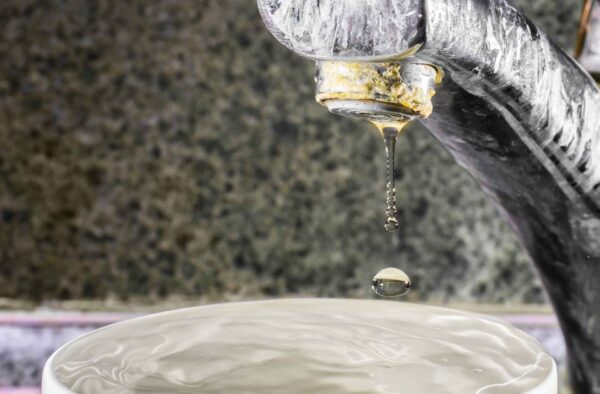
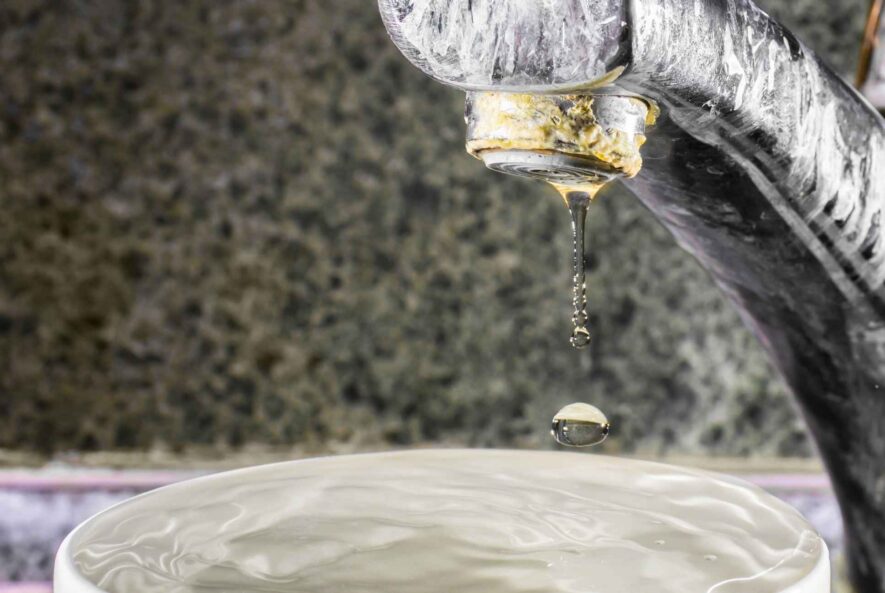
One of the most noticeable signs of hard water is mineral buildup on faucets, bathroom fixtures, and plumbing fixtures. White or chalky calcium deposits often appear around faucet bases and aerators.
These hard water deposits form when dissolved minerals remain behind after water evaporates. Over time, this buildup can require significant elbow grease to remove.
2. Soap Scum on Shower Walls and Bathtubs
Another obvious indicator is soap scum accumulating on shower walls, tiles, and bathtubs. This happens because soap reacts with hard minerals, forming an insoluble substance that sticks to surfaces.
Soap scum may also appear on:
- toilet bowl surfaces
- glass shower doors
- sinks and bathroom counters
These mineral deposits left behind can become increasingly difficult to clean over time.
3. Dry or Itchy Skin After Showering
Hard water often leaves a thin layer of soap residue on the skin. This residue can remove natural oils that protect the human body, leaving skin feeling tight or uncomfortable.
Common symptoms include:
- itchy skin
- dry skin
- flaky skin
- irritation for people with sensitive skin
For individuals with existing skin conditions, hard water may worsen symptoms because mineral residue can clog pores.
4. Dull Hair and Hair Problems
Minerals in hard water can coat hair follicles, preventing shampoo from rinsing completely. This buildup may cause hair problems such as dryness or loss of shine.
Many people notice:
- dull hair
- difficulty rinsing shampoo
- scalp irritation
- hair that feels stiff or heavy
This occurs because mineral deposits accumulate along hair strands and the scalp.
5. Hard Water Spots on Dishes and Glassware
Another frequent symptom is hard water spots on dishes, glasses, and silverware. When water evaporates, hard water residue remains behind.
Even with quality laundry detergent or dishwasher detergent, mineral content can leave cloudy spots.
These mineral deposits can appear as white or chalky circles on clean dishes.
6. Reduced Water Pressure
As scale buildup accumulates inside pipes, the internal diameter of plumbing lines gradually narrows. This can restrict water flow, leading to lower water pressure throughout the house.
Homeowners may notice:
- weak shower spray
- slow sink flow
- Inconsistent pressure across fixtures
In severe cases, scale buildup inside pipes can significantly affect the home’s plumbing system.
7. Clogged Showerheads
Clogged showerheads occur when magnesium buildup and calcium deposits block the small openings inside the shower head.
Over time, this buildup may produce:
- uneven spray patterns
- weak water flow
- inconsistent shower pressure
Cleaning the showerhead may temporarily improve performance, but ongoing buildup often returns without treatment.
8. Laundry That Feels Stiff
Hard water can reduce the effectiveness of laundry detergent because soap molecules bind with hard water minerals instead of dissolving properly.
This reaction produces fewer suds and leaves soap residue behind on clothing.
Laundry washed in hard water may feel stiff or rough because detergent cannot clean effectively in mineral-rich water.
9. Appliance Performance Problems
Hard water often affects water-using appliances such as:
- washing machines
- dishwashers
- water heaters
- coffee makers
Mineral buildup inside these systems may reduce efficiency and increase wear on components.
Over time, appliance issues caused by mineral deposits can shorten equipment lifespan.
10. Higher Energy Costs
Scale buildup inside a water heater acts as an insulating layer between the heating elements and water. As a result, the heater must work harder to warm the water.
This inefficiency can increase energy usage and raise the water bill over time.
How Hard Water Affects Your Plumbing System
Hard water minerals gradually accumulate inside pipes and fixtures throughout a home’s plumbing system. While mineral buildup may begin as cosmetic residue around faucets or showerheads, it can eventually affect deeper components within the system.
As hard water sediments accumulate, they form scale buildup inside pipes and plumbing fixtures. These deposits can restrict water movement and reduce the efficiency of appliances connected to the water supply.
Mineral buildup commonly affects:
- pipe interiors
- faucet aerators
- water heater heating elements
- valves and connectors
- dishwashers and washing machines
Over time, these deposits may negatively impact the entire plumbing system.
If you notice persistent scale buildup, recurring clogged showerheads, or changes in water pressure, it may be time to have a licensed plumber inspect the system. Services like drain cleaning and water heater repair can help identify damage caused by mineral buildup before more serious plumbing problems develop.
Homeowners across Danbury, Ridgefield, Wilton, and New Milford often rely on experienced professionals for these inspections. All State Plumbing Pros provides expert plumbing evaluations throughout Fairfield County and Westchester County, helping detect mineral-related plumbing issues early.
How to Test for Hard Water at Home
Homeowners can perform several simple checks to determine whether hard water may be present. Visible mineral deposits and soap performance often provide early clues.
One of the easiest methods is a basic soap test. When water contains high mineral content, soap produces fewer suds because minerals interfere with lathering.
Other indicators include:
- chalky residue around faucets
- hard water spots on dishes
- soap scum on surfaces
- buildup on showerheads
For accurate results, a professional test can measure mineral concentration in the water supply. Professional water analysis determines the amount of calcium, magnesium, and other dissolved minerals present.
Homes with well systems may experience greater mineral content due to groundwater conditions. In these cases, inspecting the well system and plumbing infrastructure can help identify underlying water quality issues.
Solutions for Hard Water Problems
When a hard water problem is confirmed, homeowners may consider installing water softeners or other water softening solutions to reduce mineral levels in the water supply.
Most water softening systems use an ion exchange process to remove calcium and magnesium ions from water. During this process, hardness minerals are replaced with sodium or potassium ions, preventing mineral deposits from forming.
Benefits of installing a water softening system may include:
- Reduced scale buildup in pipes
- improved soap lather
- fewer mineral deposits on fixtures
- longer lifespan for appliances
- improved water flow
While these systems help prevent future mineral buildup, existing plumbing damage may still require repair. If mineral deposits have already affected appliances or plumbing fixtures, a professional inspection can determine the best course of action.
Homeowners dealing with ongoing mineral buildup or appliance issues can schedule plumbing inspections with All State Plumbing Pros, serving homes throughout Fairfield County, CT, and Westchester County, NY.
When to Call a Professional Plumber
While minor mineral residue can sometimes be cleaned, persistent hard water issues may require professional plumbing services. Over time, scale buildup inside pipes can restrict water flow and cause long-term plumbing damage.
You should consider contacting a plumber if you notice:
- Ongoing mineral buildup across fixtures
- Repeated clogged showerheads
- sudden drops in water pressure
- appliance efficiency problems
- increasing energy costs from water heating
A licensed plumber can evaluate the plumbing system, inspect water heaters, and identify scale buildup inside pipes or fixtures.
Why Local Homeowners Trust All State Plumbing Pros
All State Plumbing Pros has become a trusted provider of plumbing services across Fairfield County, Connecticut, and Westchester County, New York. Their licensed professionals deliver reliable plumbing repairs while treating each home with care and attention.
Their services include:
- Emergency plumber services
- Drain cleaning services and repairs
- Residential plumbing solutions
- Commercial plumbing support
- Well pump service
- Water heater repair and installation
The company provides 24/7 emergency service, ensuring that homeowners and businesses receive fast assistance when plumbing issues occur.
If you are noticing the signs of hard water, a professional plumbing evaluation can help identify mineral buildup before it causes serious damage. Contact All State Plumbing Pros to schedule an inspection and protect your plumbing system from hard water problems.
Conclusion
Recognizing the signs of hard water can help homeowners understand how mineral-rich water may affect daily life and the home’s plumbing system. Common indicators such as mineral buildup on fixtures, soap scum on shower walls, clogged showerheads, dry or itchy skin, and reduced water pressure often occur when calcium and magnesium accumulate in tap water. Over time, these mineral deposits can affect appliances, water heaters, and plumbing fixtures, while also leaving residue on sinks, faucets, and dishes. Identifying these symptoms early allows homeowners to better understand potential water hardness issues and take steps to protect their plumbing systems and maintain better water quality throughout the home.
If you’re noticing the signs of hard water in your home, such as mineral buildup on fixtures, soap scum on shower walls, clogged showerheads, or changes in water pressure, it may be time to have your plumbing system evaluated. Hard water can gradually affect water heaters, pipes, and other appliances, leading to buildup that reduces efficiency and increases maintenance needs. All State Plumbing Pros provides 24/7 plumbing services across Connecticut and New York, helping homeowners identify hard water issues and protect their plumbing systems with reliable inspections, maintenance, and repair services. From diagnosing mineral buildup to servicing fixtures and water heaters, our licensed technicians deliver dependable solutions that keep your home’s plumbing running smoothly. Contact us today to schedule a plumbing inspection you can rely on.
FAQs
How can I tell if I have hard water?
You can identify signs of hard water by looking for mineral buildup on plumbing fixtures, soap scum on shower walls, or hard water spots on dishes and glassware. Many homeowners also notice dry skin, dull hair, or reduced water pressure. A professional water test can confirm whether calcium and magnesium levels in your water supply are elevated.
What are the 5 signs of hard water?
Five common signs of hard water include mineral deposits on faucets, soap scum on bathroom surfaces, dull hair after washing, stiff laundry, and clogged showerheads. These symptoms occur when dissolved minerals remain behind after water evaporates. Over time, mineral buildup may affect appliances and plumbing systems throughout the home.
How do I know if I have hard water?
If you see chalky deposits around faucets, reduced water flow, or residue left on skin after bathing, hard water may be present in your home. Hard water spots on dishes and mineral buildup on showerheads are also strong indicators. A professional water hardness test can confirm the mineral concentration in your tap water.
How do I fix hard water in my house?
Hard water can be treated with water softeners or other water treatment solutions that remove calcium and magnesium through ion exchange. These systems reduce mineral buildup and protect plumbing fixtures and appliances. If mineral deposits have already affected your plumbing system or water heater, a licensed plumber can inspect the system and recommend repairs or treatment options.