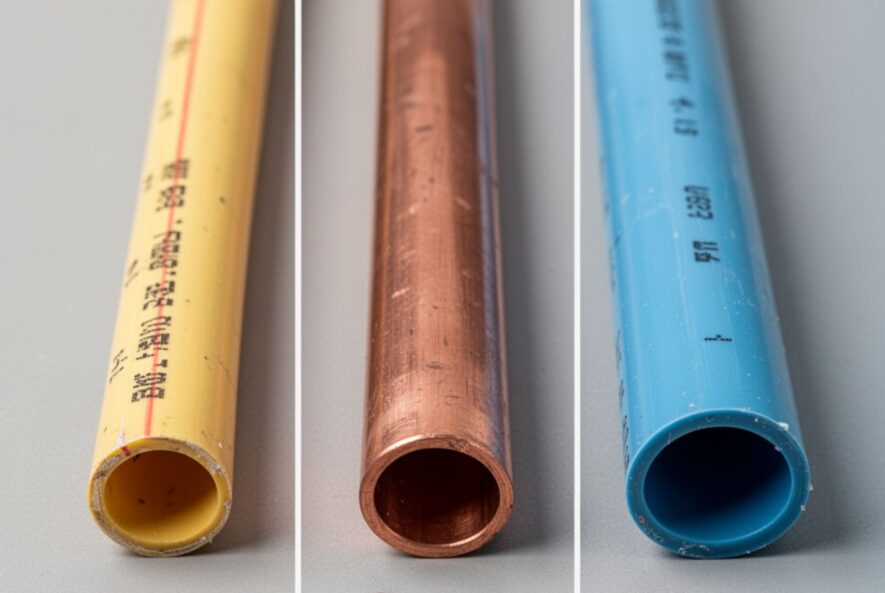
PEX vs. Copper vs. PVC: Which Plumbing Pipe Is Best?
Choosing the right pipe material is one of the most important decisions you can make for your plumbing system. Homeowners often compare PEX vs copper vs PVC when planning a repair, upgrade, or new installation because each option affects water flow, water pressure, durability, and long-term reliability. Selecting the wrong plumbing pipe can lead to leaks, thermal loss, corrosion, or costly mistakes that disrupt hot and cold water delivery.
In Fairfield County, CT, and Westchester County, NY, pipe material selection matters even more due to colder climates, older homes, and plumbing systems that combine multiple materials from past renovations. Whether you are upgrading water supply lines, addressing pinhole leaks, or planning new construction, understanding how different plumbing materials perform in real-world conditions helps you avoid future problems. If you are unsure which option fits your home, a licensed professional from All State Plumbing Pros can evaluate your system and recommend the right pipe material before small issues become emergencies.
Quick Comparison: PEX vs Copper vs PVC
When comparing PEX pipes, copper pipes, and PVC pipes, the biggest differences come down to flexibility, temperature tolerance, corrosion resistance, and approved plumbing applications. Although all three are common plumbing pipes, they are not interchangeable. Each material is designed for specific roles within a plumbing system, and using the wrong pipe in the wrong place can cause long-term issues.
The table below highlights how each material performs in typical residential plumbing applications, including hot water systems and cold water supply.
| Feature | PEX | Copper | PVC |
| Typical use | Water supply lines | Water supply lines | Drain & vent systems |
| Flexibility | Highly flexible | Rigid pipe | Rigid pipe |
| Corrosion resistance | High | Moderate | High |
| Freeze resistance | High | Low | Low |
| Hot water handling | Yes | Yes | No |
| Installation speed | Fast | Labor-intensive | Simple |
| Lifespan (typical range) | 30–50 years | 50+ years | 25–40 years |
This comparison shows why plumbers rarely recommend one universal solution. The right pipe material depends on climate, water quality, pressure demands, and whether the pipe is meant to deliver drinking water or remove wastewater.
What Is PEX Plumbing Pipe?
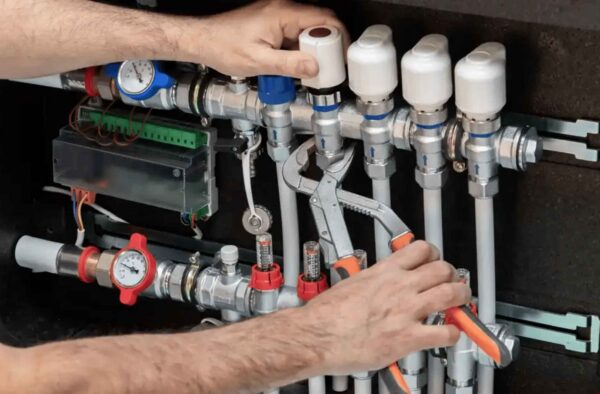
PEX is made from cross-linked polyethylene, a type of flexible plastic tubing designed for modern water supply lines. Over the last two decades, PEX has become a preferred material in many residential plumbing applications because it is corrosion-resistant, easy to install, and well-suited for colder climates.
One of the main reasons plumbers choose PEX tubing is flexibility. Unlike rigid pipe, PEX bends easily around corners and fits through tight spaces with fewer fittings. Fewer fittings reduce potential leak points and improve long-term reliability. PEX also expands slightly during freezing conditions, which helps it survive cold snaps without bursting, an important advantage in Connecticut and New York winters.
PEX handles both hot and cold water effectively and is approved for potable water in most jurisdictions. It is commonly used in new construction, remodels, and partial repipes. However, PEX should not be exposed to direct sunlight or UV rays, as prolonged UV exposure can degrade the material. For this reason, PEX is typically installed indoors and protected within walls or ceilings.
From a professional plumber’s perspective, PEX offers faster installation, lower labor costs, and quicker emergency repairs. These benefits make PEX a budget-friendly option when time, access, and long-term reliability matter.
What Are Copper Pipes?
Copper pipes have long been considered the gold standard in plumbing. Many older homes throughout Fairfield County and Westchester County still rely on copper water pipes installed decades ago. Copper plumbing is valued for its strength, ability to tolerate extreme temperatures, and performance in high-heat and high-water-pressure environments.
Copper pipes handle hot water systems exceptionally well and are commonly installed near water heaters and boiler connections. It is also naturally resistant to bacterial growth, which has historically made it a trusted choice for delivering drinking water safely.
That said, copper pipes are not without drawbacks. Over time, copper water pipes can corrode, especially in homes with acidic water or aggressive water chemistry. Corrosion may lead to pinhole leaks, reduced water flow, or rust-colored staining. Installation and repairs also require specialized tools, soldering skills, and more labor, which increases both upfront and emergency repair costs.
While copper offers excellent long-term durability, its higher cost and vulnerability to corrosion in certain plumbing systems mean it is no longer the automatic choice for every home.
What Is PVC Pipe Used For?
PVC pipes are made from polyvinyl chloride, a rigid plastic pipe material commonly used in plumbing systems for drain, waste, and vent (DWV) applications. PVC is lightweight, corrosion-resistant, and easy to cut and assemble, making it ideal for moving wastewater out of the home.
It is not designed to handle hot water or high temperatures. Exposure to high heat can cause PVC to soften, warp, or crack, which is why it should never be used for hot water lines or pressurized water supply lines. For drinking water applications, PVC is generally avoided inside the home.
Some homeowners confuse PVC with CPVC pipes, which are made from chlorinated polyvinyl chloride and rated to handle hot water. While CPVC can deliver potable water, standard PVC is best reserved for drainage, venting, and some outdoor applications where temperature limits are not exceeded.
Understanding where PVC belongs in a plumbing system helps homeowners avoid costly mistakes and premature pipe failure.
PEX vs Copper vs PVC: Pros and Cons by Material
Each plumbing pipe material has advantages and limitations that affect installation, maintenance, and long-term performance. Rather than focusing on simple pros-and-cons lists, it is more useful to understand how these materials behave in real homes.
PEX Pros and Cons
PEX offers excellent flexibility, corrosion resistance, and freeze tolerance. It installs quickly, works well in tight spaces, and reduces the number of fittings required. However, it must be protected from UV rays and is not recommended for outdoor applications.
Copper Pros and Cons
Copper pipes provide long-term durability and handle hot water and high pressure well. They remain a trusted option for certain plumbing applications but are more expensive to install and repair. Copper is also susceptible to corrosion and pinhole leaks in some water conditions.
PVC Pros and Cons
PVC is inexpensive, lightweight, and corrosion-resistant, making it ideal for drain and vent systems. It is easy to install without specialized tools. However, it cannot handle hot water, high heat, or a pressurized water supply, which limits its use.
Which Pipe Is Best for Cold Climates Like CT & NY?
Cold climates place extra stress on plumbing pipes, especially during extended freezing temperatures. When water freezes inside rigid pipes, it expands and creates pressure that can cause cracking or bursting. This makes material choice critical in colder climates.
PEX performs better during freezes because it can expand slightly without breaking. Copper and PVC, being rigid pipes, are far more likely to crack during cold snaps. While insulation and proper pipe placement help, material choice plays a major role in preventing freeze-related damage.
A licensed plumber can evaluate freeze-prone areas and recommend the safest pipe material or protective upgrades to reduce emergency risks.
Repair vs Repipe: When Material Choice Matters Most
Homeowners often face a decision between repairing a single leak or replacing aging plumbing. Pipe material plays a key role in determining which option makes sense. Repeated repairs on failing copper pipes can become costly over time, especially in older homes with mixed plumbing materials.
PEX-to-copper transitions are common in partial upgrades and can be done safely using proper fittings. However, when corrosion, pressure problems, or repeated leaks occur, a strategic repipe may offer better long-term reliability and help avoid costly mistakes.
Experienced residential plumbing professionals evaluate the full plumbing system to recommend solutions that balance cost, performance, and longevity.
What Licensed Plumbers Recommend in Real Homes
Licensed plumbers recommend pipe materials based on reliability, repair speed, and long-term performance, not just initial cost. In real service calls, plumbers frequently see copper pipes fail due to corrosion, PVC cracks from temperature stress, and older systems struggle with fluctuating water pressure.
In communities such as Danbury, Ridgefield, and New Milford, many homes contain mixed plumbing materials from decades of repairs. Plumbers often prefer PEX for upgrades and emergency repairs because it is highly flexible, installs quickly, and minimizes disruption during urgent situations.
Cost, Lifespan, and Maintenance Comparison
The true cost of plumbing pipes includes more than the price of materials. Labor, installation complexity, fittings, and future maintenance all affect total cost. Copper may last longer under ideal conditions, but corrosion or acidic water can shorten its lifespan. PEX offers lower installation costs and strong long-term durability, while PVC remains the most economical choice for drainage systems.
Choosing the right plumbing material helps protect your investment and avoid repeated service calls.
When Pipe Choice Becomes a Plumbing Emergency
Pipe material becomes especially important during emergencies such as burst pipes, sudden leaks, or loss of water pressure. Flexible materials like PEX allow faster emergency repairs, while rigid pipes may require more invasive work.
If you are dealing with an urgent plumbing issue in Fairfield County or Westchester County, All State Plumbing Pros provides 24/7 emergency plumbing services to stop leaks, limit water damage, and recommend long-term solutions that fit your home.
Conclusion
Choosing between PEX vs copper vs PVC is not about finding one perfect solution, but about selecting the right pipe material for your home’s needs. Climate, water quality, budget, and existing plumbing all influence the decision. Understanding how these plumbing materials perform helps homeowners avoid leaks, corrosion, and unnecessary repairs.
If your home is experiencing recurring leaks, fluctuating water pressure, aging pipes, or concerns about your current plumbing materials, don’t wait for a major failure to force a rushed decision. At All State Plumbing Pros, our licensed plumbers are available 24/7 across Connecticut and New York to evaluate your plumbing system and recommend the right pipe material for long-term reliability. From targeted repairs and partial repipes to full plumbing upgrades and emergency service, contact us today for professional guidance and dependable support you can trust.
FAQs
Why do plumbers use PEX instead of copper?
Plumbers often use PEX because it is flexible, corrosion-resistant, and faster to install than copper. It performs well in colder climates and reduces the number of fittings, which lowers leak risk. These benefits make it a preferred material for repairs and remodels.
Where should you not use PEX?
PEX should not be used outdoors or in areas exposed to direct sunlight, as UV rays degrade the material. It is also not recommended for applications requiring constant exposure to high heat without proper ratings. A licensed plumber can confirm where PEX is appropriate.
Is it better to use PVC or PEX?
PVC is better suited for drain and vent plumbing applications, while PEX is better for water supply lines. PVC cannot handle hot water or high pressure, making it unsuitable for most potable water systems. PEX offers greater flexibility and reliability for residential water lines.
What is the most reliable pipe in plumbing?
Reliability depends on the application. Copper offers long-term durability for hot water lines, while PEX provides excellent performance in cold climates and repair scenarios. The most reliable option is the one matched correctly to the home’s plumbing system and conditions.