P-Trap Plumbing Explained: How It Works and Common Problems
P-trap plumbing is an essential component of every modern plumbing system, yet it is often overlooked until something goes wrong. Homeowners in Fairfield County, Connecticut, and Westchester County, New York, usually become aware of their P-traps when water starts to drain slowly, a leak appears under the kitchen sink, or unpleasant odors begin coming from a drain. This curved section of drain pipe plays a critical role in preventing sewer gases from entering your living space while allowing water to flow safely into the sewer system.
Because P-traps sit directly beneath plumbing fixtures such as sinks, showers, tubs, and floor drains, they are exposed to debris, old water, and daily wear. Over time, slip joint washers can deteriorate, connection points can loosen, and metal or brass fittings can corrode. When these issues occur, leaks, drainage issues, or sewer gas smells can develop quickly. If you are experiencing leaks, sewer odors, or repeated clogs, All State Plumbing Pros offers licensed residential and emergency plumbing services throughout Danbury, New Milford, Ridgefield, Wilton, and across Westchester County to inspect and repair P-trap plumbing safely and efficiently.
What Is P Trap Plumbing?
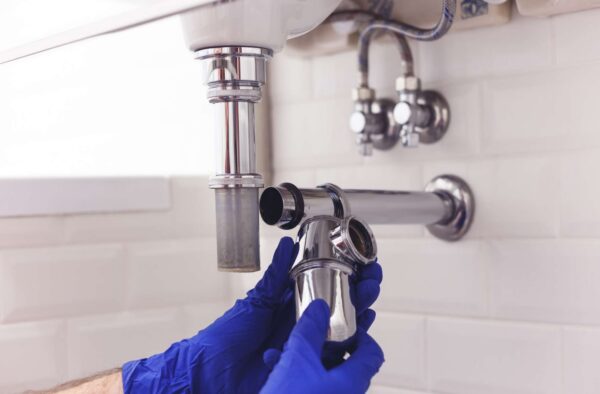
P-trap plumbing refers to the U-shaped or P-like shape of pipe installed beneath sinks, showers, tubs, and floor drains. This curved section of pipe holds a small amount of fresh water that creates a water seal. That seal acts as a barrier that blocks sewer gases from entering the home while still allowing wastewater to pass through the drainage system.
The main purpose of a P-trap is to prevent sewer gases from entering the living space while maintaining proper flow within the plumbing system. As water flows through the drain, it passes through the bend of the trap and leaves behind a small amount of water. That trapped water separates your home from the sewer line and the gases produced inside the sewer system.
P-traps are required by plumbing code and are installed as an essential component of nearly every fixture. They are commonly found under a kitchen sink, bathroom sink, shower drain, or connected to floor drains. Understanding P-traps and how they function is critical to maintaining a healthy plumbing system.
How Does a P Trap Work?
To understand how a P trap work, picture the curved section beneath your sink or behind the wall. As water flows from the fixture into the drain pipe, it travels through the U-shaped bend. Once the water exits toward the outlet and sewer line, a small amount remains inside the trap.
That retained water creates a seal that blocks sewer gases from escaping back through the pipe. Proper venting and atmospheric pressure play an important role in keeping that seal intact. Vent pipes allow air to enter the plumbing system so water can drain freely without siphoning the trap dry.
When a P-trap is properly installed, wastewater flows smoothly while the water seal remains in place. If venting fails, if connections loosen, or if an S trap is mistakenly used, the seal can break. When that happens, sewer gases may escape into the room, leading to unpleasant odors near sinks, showers, or floor drains.
Common P Trap Plumbing Problems
Although P-traps have a simple design, they are involved in many common household plumbing problems. Because they sit at a low point in the drainage system, they collect debris and experience pressure changes that can lead to leaks or clogs.
Leaking P Traps
Leaks are one of the most common P-trap problems plumbers encounter. Most leaks occur at connection points where slip joint washers wear out or fittings loosen over time. In older homes, corrosion in metal or brass traps can weaken the pipe and cause slow drips.
Leaks may also be caused by:
- Worn or misaligned slip joint washers
- Over-tightened connections that crack PVC or brass
- Cross-threaded fittings during installation
- Corrosion in older metal pipes
- Misaligned pipes after cabinet or fixture replacement
Even small leaks can lead to water damage, mold growth, or warped cabinets if left unaddressed. Regular maintenance helps determine whether a trap needs tightening, replacing, or full repair.
Clogged P Traps
Because P-traps are designed to catch water, they also tend to catch debris. Hair, grease, soap residue, and food particles often collect in the curved section. Over time, this buildup restricts flow and causes slow draining.
In kitchens, grease is a frequent cause of clogs. In bathrooms, hair and soap scum are more common. P-traps can also catch valuable items such as rings or earrings, which is why removing the trap carefully with a bucket underneath is important.
If clogs return repeatedly, the issue may extend beyond the trap and into the main sewer line. In those cases, professional drain cleaning is often required to resolve deeper drainage issues.
Dry P Traps and Sewer Odors
Dry P traps are a common source of sewer gas odor, especially in infrequently used drains. Basement floor drains, guest bathrooms, and laundry room sinks often dry out when water is not run regularly.
When the water seal evaporates, sewer gases from the sewer system can escape into the home. Running water will usually restore the seal, but if odors return frequently, venting issues or airflow problems may be present elsewhere in the plumbing system.
For recurring clogs, leaks, or sewer gas smells, professional drain cleaning services and repairs can help eliminate lingering odors and prevent sewer gases from entering the home again.
Why Your Sink Still Smells Even With a P Trap
Many homeowners assume that having a P-trap automatically prevents all odors, but that is only true when the trap and surrounding plumbing are functioning correctly. If your sink smells like hydrogen sulfide or rotten eggs, the issue may not be the trap itself.
A blocked vent can disrupt airflow and pull water from the trap. A partially clogged sewer line can create pressure that forces gases back through the drain. In some cases, bacteria buildup inside the drain pipe creates unpleasant odors that mimic sewer gas.
It is also possible that the trap is intact but not maintaining its seal due to venting or atmospheric pressure problems. When smells persist despite cleaning and running water, it often signals a deeper plumbing system issue that requires evaluation by a professional plumber.
How to Inspect and Clean a P Trap Safely
Basic inspection and cleaning of a P-trap can be done safely if you are comfortable using basic tools and working under a sink. However, it is important to know when cleaning is enough and when replacement or professional service is required.
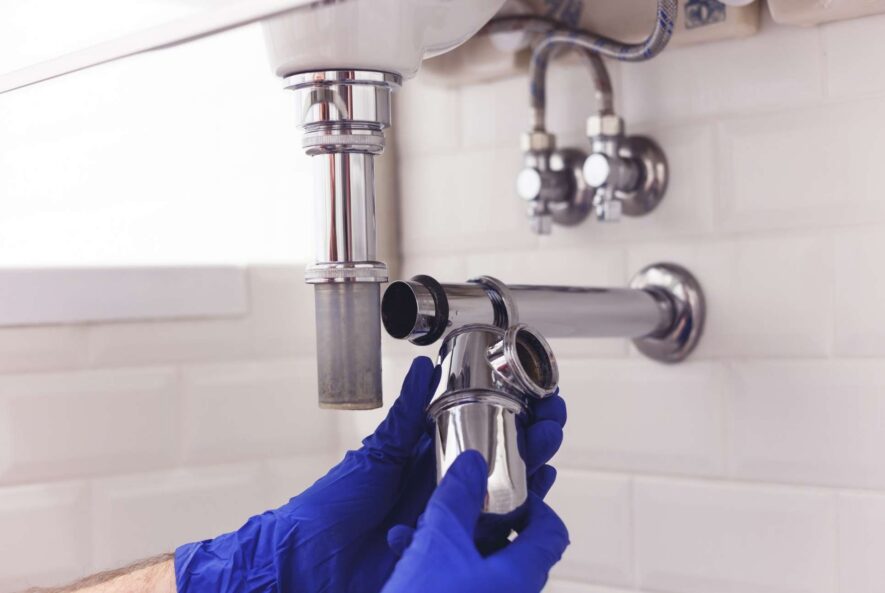
Before starting, place a bucket under the trap to catch water. Loosen the connections carefully, remove the curved section, and clean out any debris. Inspect washers and fittings before reinstalling.
Safe inspection steps include:
- Place a bucket under the trap to catch water
- Loosen slip nuts with basic tools
- Remove debris and old water
- Inspect washers and connections
- Reinstall the trap and tighten connections
- Run water to test the flow and restore the seal
If leaks continue, if multiple drains are slow, or if sewer gases persist, the problem may involve venting or the main sewer line. At that point, calling a professional plumber is the safest option.
When P Trap Plumbing Requires a Licensed Plumber
Some P-trap issues extend beyond routine maintenance. If leaks continue after replacing washers, if sewer odors spread through multiple fixtures, or if water backs up in more than one drain, the problem likely involves the sewer system or venting.
Improper installations, including S-trap configurations, can cause siphoning and allow sewer gases to escape. Commercial plumbing systems may also experience heavier buildup due to higher usage and grease exposure.
For ongoing drainage issues, sewer gas odor, or recurring leaks, All State Plumbing Pros provides emergency plumbing and commercial plumbing services to diagnose hidden problems before they lead to costly repairs.
P Trap Plumbing in Older Connecticut and New York Homes
Homes in Danbury, New Milford, Ridgefield, Wilton, and throughout Westchester County often feature older plumbing materials such as cast iron and brass. Over time, corrosion weakens pipes and connections, leading to leaks and drainage issues.
Many older homes have undergone renovations where newer PVC components were connected to older metal pipes. These mixed materials can create stress at joints and increase the likelihood of failure. Seasonal temperature changes in Connecticut and New York also affect expansion and contraction within the plumbing system, making professional inspection especially important.
Residential vs. Commercial P Trap Plumbing
Residential P-traps are typically found under sinks, showers, and tubs, while commercial plumbing systems often include additional floor drains and grease-exposed fixtures. Commercial settings place greater demand on P-traps due to frequent use and higher volumes of debris.
Regular maintenance and inspection help commercial properties maintain proper drainage flow and prevent sewer gases from entering occupied spaces. Preventative service reduces downtime and protects the building’s plumbing infrastructure.
Conclusion
P-trap plumbing is a small but vital part of every plumbing system. From creating a water seal to preventing sewer gases from entering the home, this curved section of pipe protects your living space and supports proper drainage flow. Leaks, clogs, and dry traps can quickly lead to unpleasant odors and larger plumbing problems if ignored.
If your sink is leaking, draining slowly, or producing unpleasant odors, do not wait for the problem to worsen. At All State Plumbing Pros, our licensed plumbers are available 24/7 to help homeowners and businesses across Connecticut and New York diagnose and fix P-trap plumbing issues before they lead to larger drainage or sewer problems. From leak repairs and clogged drain solutions to full P-trap replacements and inspections, contact us today for fast, dependable service that restores proper drainage and keeps your plumbing system operating safely and efficiently.
FAQs
What is a P-trap used for in plumbing?
A P-trap is used in plumbing to create a water barrier that blocks sewer gases from entering a home or building. It is installed beneath sinks, showers, tubs, and floor drains. By holding a small amount of water in its curved section, it protects the living space while allowing wastewater to flow into the sewer system.
How do you fix a smelly P-trap?
To fix a smelly P-trap, start by running water to refill the trap if it has dried out. Cleaning debris from the trap can also help eliminate odors. If smells return, the issue may involve venting or the sewer line and should be inspected by a licensed plumber.
Why is S-trap illegal?
An S trap is illegal in modern plumbing because it can siphon itself dry during use. When the water seal is lost, sewer gases can escape into the home. P-traps are designed to maintain proper airflow and prevent this problem.
Which is better, a P-trap or an S-trap?
A P trap is better because it maintains a consistent water seal and works with venting systems to block sewer gases. An S trap is more likely to lose its seal due to siphoning. For safety, performance, and code compliance, a properly installed P-trap is always the preferred option.