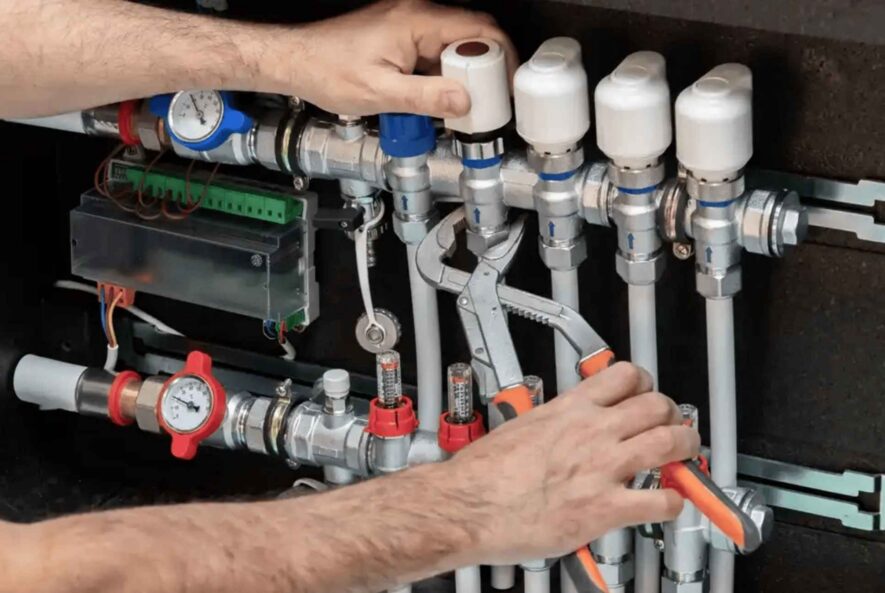
Annual Plumbing Inspection: What’s Included and Why It Matters

Plumbing problems rarely appear without warning, yet many homeowners only notice issues once damage has already begun. Across Fairfield County, CT, and Westchester County, NY, hidden problems often develop inside the home’s plumbing system long before visible signs appear. An annual plumbing inspection allows professional plumbers to identify potential issues early and protect the property year-round.

An annual plumbing inspection is a proactive step that helps maintain the plumbing system, reduce the risk of costly emergencies, and support long-term safety. Instead of reacting to sudden leaks, slow drains, or unexpected water damage, regular inspections give homeowners insight into how their system is performing. This yearly check-up helps catch hidden leaks, pressure concerns, and early pipe corrosion before they escalate.

Many homeowners assume plumbing only needs attention when something breaks. In reality, plumbing systems age continuously. Sediment buildup inside water heaters, changing water pressure, and gradual wear on components all contribute to future failure. Regular plumbing inspections help homeowners plan timely repairs, avoiding costly surprises.

All State Plumbing Pros, a family-owned business serving Connecticut and New York, provides comprehensive plumbing inspection services as part of ongoing plumbing maintenance. Taking a proactive approach now helps protect your home, your water supply, and your peace of mind.

What Is an Annual Plumbing Inspection?

An annual plumbing inspection is a professional evaluation of the home’s plumbing system designed to identify hidden problems, safety risks, and early signs of failure before they cause damage. It focuses on prevention rather than emergency repairs.

During a plumbing inspection, licensed plumbers review plumbing fixtures, pipes, drainage systems, and water heaters to ensure they are operating safely. The inspection also evaluates water pressure, water quality, and visible signs of deterioration that may not yet cause noticeable symptoms.

Unlike a quick service call, a comprehensive plumbing inspection examines how all system components work together. This process allows professional plumbers to identify potential issues that could otherwise remain hidden for months or years.

Why Annual Plumbing Inspections Are Important for Homeowners

Annual inspections play a crucial role in protecting homes from avoidable plumbing problems. Small issues often grow slowly and quietly. A minor leak, for example, can continue unnoticed until it causes structural damage or mold growth.

Regular plumbing inspections help homeowners:

  • Detect hidden leaks early
  • Prevent water damage and further damage to walls or floors
  • Reduce the risk of mold growth
  • Monitor pipe corrosion before failure
  • Avoid sudden spikes in water bills

According to national insurance data, water-related claims remain one of the most common and costly losses for homeowners. When plumbing issues are caught early, repairs are typically far less disruptive and significantly more affordable.

For most homeowners, annual inspections provide confidence and clarity. They allow problems to be caught early, protect water quality, and help save money by avoiding expensive repairs later.

After learning the benefits of prevention, many homeowners choose to schedule service. All State Plumbing Pros offers professional plumbing inspections that support long-term system reliability and safe operation.

What Does an Annual Plumbing Inspection Include?

A professional annual plumbing inspection follows a structured checklist rather than a simple visual review. Licensed plumbers examine all major areas that influence safety, efficiency, and long-term performance.

Before reviewing individual components, it helps to understand that inspections are designed to identify risk, not to push unnecessary repairs. The goal is to evaluate condition, function, and future reliability.

Areas commonly reviewed during an inspection include:

Area Inspected What’s Checked Common Issues Found
Plumbing fixtures Leaks, seals, and operation Dripping faucets
Toilets Internal components Running water
Drains Flow and buildup Slow drains
Sewer line (as needed) Camera inspection Early blockage
Water heaters Temperature, valve, sediment Reduced efficiency
Pipes Visible corrosion Corroded pipes
Shutoff valves Function and access Stuck valves
Sump pump Activation and discharge Failure risk

Professional plumbers use specialized tools and specialized equipment to inspect components accurately. This thorough evaluation provides homeowners with a clear understanding of what needs attention now and what should be monitored over time.

Step-by-Step: How an Annual Plumbing Inspection Works

An annual plumbing inspection follows a consistent process designed to minimize disruption while delivering detailed insight into system health.

The visit typically begins with a discussion of visible signs such as weak shower pressure, strange noises, foul odors, or water discoloration. These clues help guide the inspection toward areas most likely to contain hidden problems.

A typical inspection process includes:

  1. Reviewing the plumbing layout and water supply
  2. Testing water pressure throughout the home
  3. Inspecting drainage systems for slow drains or backups
  4. Evaluating water heaters for sediment buildup and safety
  5. Checking valves, connections, and exposed pipes
  6. Reviewing findings and explaining recommendations

Licensed plumbers use specialized tools to assess components that cannot be evaluated visually. Homeowners receive clear explanations and guidance, helping them understand whether issues require immediate plumbing inspection or routine maintenance planning.

Problems Commonly Found During Annual Inspections

Annual plumbing inspections often reveal minor problems that are easy to overlook. These issues rarely cause immediate disruption, but they can lead to major problems if ignored.

Common findings include small leaks beneath sinks, early pipe corrosion, sediment buildup in water heaters, and slow drains that indicate developing blockages. Even a minor leak can gradually lead to structural damage and mold growth when left unaddressed.

For example, a small leak under a sink may not appear urgent. Over time, moisture can weaken cabinetry and flooring, resulting in costly repairs. When caught early, timely repairs are typically simple and inexpensive.

Annual inspections also identify components nearing the end of their lifespan, allowing homeowners to plan upgrades rather than face costly emergencies unexpectedly.

How Annual Inspections Help Prevent Emergency Plumbing Repairs

Emergency repairs often stem from problems that existed long before failure occurred. Burst pipes, sewer backups, and water heater breakdowns typically begin as minor issues that go unnoticed.

Regular inspections help reduce emergency repairs by identifying weak points early. This proactive approach allows homeowners to schedule repairs instead of reacting to sudden breakdowns that cause water damage and disruption.

Homes with multiple slow drains or recurring clogs benefit especially from frequent inspections. Early sewer line evaluation can prevent backups that cause significant damage and expensive cleanup.

While All State Plumbing Pros provides 24/7 emergency plumbing service, annual inspections help homeowners rely less on emergency calls and maintain stability throughout the year.

How Often Should You Schedule a Plumbing Inspection?

For most homes, annual plumbing maintenance is sufficient to maintain system health. Annual inspections allow plumbers to monitor gradual changes and detect early warning signs.

More frequent inspections may be recommended for:

  • Older homes with aging pipes
  • Properties with past plumbing problems
  • Homes experiencing sudden spikes in water bills
  • Systems with sump pumps or complex heating systems

In regions like Fairfield County and Westchester County, where many homes are older, more frequent inspections can provide added protection against pipe corrosion and winter-related risks.

Annual Plumbing Inspection Cost and What Affects It

The cost of an annual plumbing inspection depends on several factors, but it is typically far less than the expense of emergency repairs or structural restoration.

Factors that affect cost include:

  • Size of the plumbing system
  • Accessibility of pipes and components
  • Age of the home
  • Need for sewer camera inspection
  • Complexity of drainage systems

Although some homeowners hesitate to invest in inspections, the long-term value is clear. Identifying problems early helps avoid expensive repairs, water damage, and extended downtime.

Why Choose a Licensed Plumber for Annual Inspections

A licensed plumber plays a crucial role in accurate inspections. Training and experience allow professionals to interpret visible signs correctly and identify hidden problems that untrained eyes may miss.

Professional plumbing inspections ensure compliance with local codes and safety standards. Licensed plumbers understand how plumbing systems behave under stress and how minor issues can escalate.

Unlicensed evaluations may overlook early warning signs such as pressure irregularities, corroded pipes, or failing valves. Working with trained professionals ensures inspections are thorough and reliable.

All State Plumbing Pros employs licensed plumbers who use proven inspection methods and modern tools to evaluate plumbing systems properly.

Conclusion

An annual plumbing inspection is one of the most effective ways to protect your home, preserve water quality, and prevent costly plumbing emergencies. By identifying potential issues early, homeowners can address minor problems before they develop into significant damage. Regular inspections support water conservation, protect structural integrity, and provide confidence that the plumbing system is operating year-round safely year round. For homeowners in Fairfield County, CT, and Westchester County, NY, a proactive inspection schedule offers long-term savings, reduced risk, and dependable performance.

If you’re noticing plumbing concerns at home, want to stay ahead of potential problems, or need a licensed professional to inspect and maintain your plumbing system, All State Plumbing Pros is here to help. Our experienced plumbers serve homeowners throughout Connecticut and New York, offering annual plumbing inspections, drain cleaning, water heater service, and 24/7 emergency support. Whether you’re planning routine maintenance or addressing early warning signs, contact us today for dependable service and expert plumbing solutions you can trust.

FAQs

How often should pipes be inspected?

Pipes should be inspected at least once per year as part of regular plumbing inspections. Older homes or properties with visible signs, such as rusty water or foul odors, may benefit from more frequent inspections. Annual reviews help identify corrosion and hidden leaks early.

What’s the difference between a 100-hour inspection and an annual inspection?

A 100-hour inspection typically applies to mechanical equipment based on usage time. An annual plumbing inspection evaluates the entire plumbing system regardless of the number of hours used. It focuses on condition, safety, and long-term reliability.

How often should drains be inspected?

Drains should be inspected annually, especially if slow drains or recurring clogs occur. Homes with multiple slow drains may require more frequent inspections to prevent sewer line issues and backups.

What is a certificate of annual inspection?

A certificate of annual inspection documents that a professional plumbing inspection was completed by a licensed plumber. Some properties, landlords, or insurance providers may require this documentation. A plumbing professional can verify whether it applies to your specific property and local regulations.

Plumbing Code Violations Repair: How to Fix and Pass Inspection

Plumbing issues often stay unnoticed until an inspection brings them to light. Many homeowners in Fairfield County, CT, and Westchester County, NY, only learn about problems when a real estate transaction stalls, a renovation review fails, or a municipal inspector identifies code violations. At that point, plumbing code violations repair becomes essential not only to move forward but also to protect the safety and value of the property.

Plumbing codes exist to regulate how a plumbing system is installed, maintained, and repaired. These regulations help prevent water damage, sewer gases entering the home, contamination of drinking water, and long-term structural issues. When a system does not meet local plumbing code standards, even if it appears to function normally, it may still be considered non-compliant.

Many homeowners are surprised to learn that older plumbing projects, DIY plumbing work, or past repairs completed with the wrong kind of materials can trigger violations years later. Working with a licensed professional early helps reduce risk, avoid repeat inspections, and ensure compliance. All State Plumbing Pros provides 24/7 plumbing services across Fairfield County and Westchester County, helping homeowners and property managers correct violations efficiently and safely. If an inspection deadline is approaching, speaking with a qualified plumber as soon as possible is often the smartest next step.

What Is a Plumbing Code Violation?

A plumbing code violation occurs when a plumbing system does not meet the safety, installation, or material requirements established by local plumbing codes. These violations are typically identified during an inspection and must be corrected before approval, occupancy, or sale can proceed.

Plumbing codes govern how pipes, drains, vents, valves, and heating components are installed. Their purpose is to protect public health, prevent sewer gases from entering living spaces, and reduce the risk of leaks or contamination. Local codes vary by town and county, which means acceptable installation in one area may fail inspection in another.

A system can be fully operational and still violate code. Improper installation, outdated components, or missing safety features may not cause immediate problems but still present long-term risk. Code violations focus on prevention, not just performance.

Why Plumbing Code Violations Happen

Plumbing code violations usually develop over time. Homes often undergo multiple plumbing projects, repairs, or upgrades, and not all of them follow current regulations. When work is completed without permits or inspections, issues surface later.

Many homeowners believe problems only occur when water is leaking. In reality, slow drainage, improper venting, or incorrect pipe slope may go unnoticed until an inspector reviews the system.

Common causes include:

  • Plumbing work was completed without a permit
  • Repairs performed by an unlicensed plumber
  • Improper installation of vents or traps
  • Use of rubber fittings or incompatible materials
  • Aging systems that no longer meet current code

These common plumbing code violations frequently appear during inspections because they affect safety and long-term system performance. Addressing them correctly helps prevent repeat failures and unnecessary costs.

Common Plumbing Code Violations Found During Inspections

Inspectors focus on areas that present health hazards or structural risk. While every home differs, certain problems appear consistently across residential and commercial properties.

Below are common code violations inspectors frequently identify and why they matter.

Violation Type Why It Fails Inspection Typical Repair
Improper venting Allows sewer gases into the home Vent correction
Missing or faulty P valve Leads to unpleasant odors Proper trap installation
S-traps installed Causes siphoning and dry traps Replacement with approved traps
Incorrect drain slope Results in slow drainage Drain adjustment
Water heater safety issues Pressure or heating risk Valve or vent repair
Missing backflow protection Risk of contamination Backflow device installation

These violations are not cosmetic. Improper venting can allow sewer gases into living areas, while drainage system issues can lead to standing water and long-term damage. Water heaters are especially critical because pressure and heating components must meet strict safety standards.

Correcting these issues requires more than a quick fix. A professional plumber must evaluate how all system components work together to ensure compliance with local codes.

What Happens After a Plumbing Code Violation Is Issued

Once an inspector identifies plumbing code violations, a written report or correction notice is issued. This document outlines the specific problems that must be repaired before approval can be granted.

After receiving a violation notice, homeowners typically move through several steps. Understanding this process helps reduce delays and stress.

The process usually includes:

  1. Reviewing the inspection report carefully
  2. Scheduling an evaluation with a licensed plumber
  3. Verifying permit requirements
  4. Completing compliant repairs
  5. Scheduling a follow-up inspection

Delays often occur when repairs are attempted without understanding code requirements. A professional plumber familiar with local regulations can help ensure the job is completed correctly the first time. All State Plumbing Pros assists homeowners by reviewing inspection findings, identifying potential issues, and preparing the plumbing system for reinspection efficiently.

How Plumbing Code Violations Repair Works

Plumbing code violations repair focuses on correcting unsafe or non-compliant components so the system meets inspection standards. The goal is not just to fix the visible problem but to restore proper function and safety.

The process begins with a detailed assessment of the plumbing system. A qualified plumber reviews the inspection report, examines affected areas, and checks related components that may contribute to failure.

A typical repair process includes:

  1. Evaluating inspection findings and risks
  2. Verifying applicable regulations and local codes
  3. Identifying whether permits are required
  4. Completing repairs using approved materials
  5. Testing the system for proper operation
  6. Preparing for reinspection

Attention to detail is crucial. Issues such as correct slope, proper vent placement, and secure valve installation must meet precise standards. Attempting shortcuts often leads to repeated violations and additional costs.

When repairs involve plumbing, heating systems, or water heaters, accuracy becomes even more critical. These components interact with other parts of the system and can create safety concerns if installed incorrectly.

Do Plumbing Code Violations Require Permits?

Some violations can be corrected without permits, but many require official approval. Permits are commonly needed when repairs involve major system components or structural changes.

Repairs that often require permits include:

  • Water heater installation or replacement
  • Modifications to drain or vent systems
  • Pipe replacement behind walls
  • Changes affecting heating or pressure systems

Permit requirements vary by municipality. In Fairfield County and throughout Westchester County, local regulations differ from town to town. A professional plumber can verify requirements before proceeding, helping homeowners avoid unnecessary inspection setbacks.

Permits also provide documentation that repairs were completed legally, which is important during property sales or refinancing.

Minor vs. Major Plumbing Code Violations

Not all violations carry the same level of urgency. Some are minor and easily corrected, while others present a significant risk.

Minor violations may include labeling issues, small vent adjustments, or outdated fixtures. These issues rarely cause immediate damage, but must still be corrected to ensure compliance.

Major violations involve safety concerns such as sewer gas exposure, improper drainage design, or water heater pressure problems. These issues can lead to water damage, health hazards, or system failure if left unaddressed.

When violations affect heating, active leaks, or pressure components, immediate repair is crucial. In these cases, emergency plumbing services may be required to reduce risk and protect the home.

How Long Do Plumbing Code Violation Repairs Take?

The time required for plumbing code violations repair depends on the severity of the issue and inspection requirements. Simple repairs may be completed within a day, while complex projects may take longer.

Factors that influence timing include:

  • Extent of repairs needed
  • Accessibility of pipes and drains
  • Permit approval timelines
  • Availability of replacement components
  • Scheduling of reinspection

While homeowners often focus on the repair itself, inspection scheduling frequently determines the overall timeline. Planning and taking a proactive approach help prevent unnecessary delays.

Why Licensed Plumbing Matters for Code Repairs

Code compliance requires experience, training, and familiarity with regulations. A licensed plumber understands how plumbing codes apply in real-world situations and how inspectors evaluate work.

Licensed professionals help ensure:

  • Proper installation methods are used
  • Approved materials meet safety standards
  • Documentation is accurate and complete
  • Repairs pass inspection

Unlicensed plumbing work may appear less expensive upfront, but it often leads to repeat violations and additional money spent correcting errors. Working with a qualified plumber protects your investment and ensures long-term reliability.

All State Plumbing Pros maintains licensed technicians who stay current with changing regulations across Connecticut and New York municipalities.

Plumbing Code Violations and Real Estate Transactions

Plumbing violations frequently appear during home sales. Buyer inspections often uncover non-compliant plumbing that must be repaired before closing.

Lenders and insurers may require documentation proving that violations were corrected. Even minor issues can delay transactions if repairs are incomplete or improperly documented.

Homeowners preparing to sell in Fairfield County or Westchester County benefit from addressing plumbing concerns early. A proactive approach helps avoid last-minute stress and keeps transactions moving smoothly.

Conclusion

Plumbing code violations are common, particularly in older homes or properties with previous renovations, but they are manageable when addressed correctly. Understanding how plumbing code violations repair works helps homeowners move forward with confidence, from identifying common issues to navigating permits and inspections. With proper evaluation and code-compliant repairs, these violations can be resolved efficiently, reducing risk, protecting property value, and ensuring the plumbing system remains safe, reliable, and fully compliant with local requirements.

If you’re dealing with plumbing code violations, preparing for an inspection, or need reliable repairs completed the right way, All State Plumbing Pros is here to help. Our licensed plumbers serve homeowners and property owners across Connecticut and New York, offering 24/7 support for code-compliant repairs, drain cleaning, water heater service, and emergency plumbing needs. Whether you’re responding to a violation notice or taking a proactive approach to protect your home’s plumbing system, you can rely on our experienced team for safe, professional solutions you can trust. Contact us today to get started.

FAQs

What are the most common plumbing code violations?

Common plumbing code violations include improper venting, incorrect drain slope, missing P valves, S traps, and water heater safety issues. These problems affect drainage, air flow, and pressure control. Many homeowners only discover them during inspections.

When should you repair defective plumbing?

Defective plumbing should be repaired as soon as it is identified. Delaying repairs can increase risk, lead to water damage, and cause inspection failures. Early correction also helps reduce overall cost.

What is the most common building code violation?

Improper drainage and venting are among the most common building code violations. These issues can cause slow drainage, sewer gas odors, and moisture problems. Proper installation is crucial for long-term safety.

What are the benefits of compliance with the plumbing code?

Code compliance improves safety, protects water quality, and reduces health hazards. It also helps properties pass inspections and retain value. Regular inspections and professional maintenance help ensure compliance over time.


How Often to Clean Drains: A Simple Maintenance Guide

Knowing how often to clean drains is one of the simplest ways to protect your plumbing system and avoid slow drainage, frequent clogs, sewage backups, and costly repairs. Many homeowners only think about drain cleaning once water is backing up into a sink or shower, but by then, the problem is usually more advanced. Regular drain cleaning helps keep drain lines clear, supports healthy drain pipes, and reduces stress across the entire plumbing system.

In Fairfield County, CT, and Westchester County, NY, many homes deal with older pipes, mineral-heavy water, and seasonal changes that accelerate buildup inside drains. Grease, soap scum, hair, food particles, and other debris can cling to pipes long before a clog forms. This guide explains how often drains should be cleaned, what affects that schedule, and when professional drain cleaning is the safest option. If you need reliable plumbing service from licensed plumbers who understand local systems, All State Plumbing Pros provides professional cleaning and same-day service for residential and commercial properties throughout Connecticut and New York.

Why Regular Drain Cleaning Matters

Regular drain cleaning is an essential part of routine plumbing maintenance. As water flows through drain pipes, it carries grease, soap scum, hair buildup, food particles, and other debris that slowly stick to the inside of the pipes. Even when drains appear to work, buildup continues behind the scenes and eventually leads to poor drainage or clogged drains.

Routine cleaning removes this buildup before it hardens into a serious clog. This helps prevent unpleasant odors, reduces the chance of water backing up into sinks or floors, and lowers the risk of costly damage to pipes. Compared to emergency plumbing repairs, regular drain cleaning is a far more affordable way to protect your house and maintain long-term plumbing performance.

How Often to Clean Drains in a Typical Home

Homeowners often ask, “How often should I clean my drains?” The answer depends on usage, drain type, and the age of your plumbing. For most homes, light maintenance should happen monthly, with deeper cleaning every few months to keep drain lines clear.

Homes with frequent cooking, garbage disposals, or multiple bathrooms may need drains cleaned more often. Older plumbing systems and homes that have experienced past clogs also benefit from more frequent maintenance. Waiting until drains stop working often leads to serious clogs, water damage, and costly repairs that could have been avoided with regular cleaning.

Drain Area Typical Cleaning Frequency Risk if Ignored
Kitchen sink drain Every 1–2 months Grease buildup, slow drainage
Bathroom drains Every 2–3 months Hair buildup, soap scum
Shower drain Monthly light cleaning Standing water, foul odors
Main sewer line Every 1–2 years Sewage backups, flooding

How Often to Clean Drains by Drain Type

Different drains handle different waste, which is why cleaning frequency should vary by drain type. Understanding how each drain is used helps prevent clogs and extend the life of your plumbing.

How Often to Clean Kitchen Drains

Kitchen sink drains collect grease, oils, soap, and food particles every day. Even if you avoid pouring grease down the drain, residue still builds up over time. Garbage disposals grind food, but they do not eliminate grease or sticky debris that coats drain pipes.

Most plumbers recommend cleaning kitchen sink drains every one to two months. Running very hot water after washing dishes, pouring hot water weekly, and avoiding pouring grease down the drain can help. Sprinkling baking soda followed by vinegar can provide light maintenance, but professional drain cleaning is often needed to fully remove grease buildup from kitchen drain lines.

How Often to Clean Bathroom Drains

Bathroom drains, including the bathroom sink and shower drain, commonly clog due to hair buildup, soap scum, and toothpaste residue. Even one drain showing slow drainage can indicate buildup deeper in the system.

Light cleaning every two to three months helps keep bathroom drains flowing. Drain strainers help catch hair, and rinsing with hot water after use reduces residue. When multiple drains in the bathroom drain slowly or emit foul odors, professional cleaning is usually the safest solution.

How Often to Clean Main Drains and Sewer Lines

Main drains and sewer lines carry waste from the entire house. Because these pipes are underground, problems often go unnoticed until water backs up or toilet flushes behave abnormally.

Most homes benefit from professional cleaning of the main sewer line every one to two years. Homes with septic systems, tree roots, or older sewer lines may need more frequent service. Professional drain cleaning helps prevent sewage backups, flooded basements, and costly damage caused by neglected blockages.

Signs Your Drains Need Cleaning Sooner Than Scheduled

Even with regular maintenance, some warning signs indicate drains need attention sooner than planned. These symptoms often mean buildup has reached a level that can no longer be ignored.

Paying attention to early changes can prevent a serious clog and limit water damage.

  • Slow drainage in one drain or multiple drains
  • Frequent clogs that return after cleaning
  • Gurgling sounds from sinks or shower drains
  • Unpleasant odors or foul odors from drains
  • Water backing up into sinks, tubs, or floors

When these signs appear, professional drain cleaning helps restore proper flow and prevent clogged pipes from causing further damage.

DIY Drain Cleaning vs Professional Drain Cleaning

Many homeowners try DIY solutions first, such as pouring boiling water, using a cup plunger, or mixing baking soda and vinegar. These methods can offer temporary relief for light buildup near the drain opening.

However, chemical cleaners and harsh chemicals can damage pipes over time, especially in older plumbing systems. Drain cleaning chemicals often push debris deeper into drain lines, increasing the risk of a serious clog later. Pouring boiling water can help dissolve grease, but it does not remove hardened buildup inside pipes.

When Professional Drain Cleaning Is the Better Choice

Professional drain cleaning removes buildup safely and completely. Licensed plumbers use specialized tools to clean drain pipes thoroughly rather than offering short-term fixes. Techniques such as hydro jetting use high-pressure water to clean the full interior of the pipe.

Professional cleaning is the better choice when clogs are frequent, multiple drains are affected, or DIY methods no longer work. This approach helps prevent clogs, protects pipes, and supports long-term plumbing health.

How Plumbing Age and Local Conditions Affect Drain Cleaning Frequency

In Fairfield County, CT, and Westchester County, NY, many homes have older plumbing systems that require extra care. Aging pipes are more prone to corrosion and narrowing, which allows debris to accumulate faster.

Local water conditions also play a role. Mineral-heavy water increases residue inside drain pipes, while seasonal cold weather can stress plumbing and affect drainage. These factors make regular drain cleaning an important part of home maintenance in the region.

What Happens If You Never Clean Your Drains?

When drains are never cleaned, buildup continues to grow until water flow is severely restricted. This leads to frequent clogs, water backing up into the house, and unpleasant odors. Over time, pressure from blocked drain lines can damage pipes and cause leaks.

Ignoring drain maintenance often results in emergency plumbing calls, sewage backups, and costly repairs. What starts as slow drainage can quickly turn into significant water damage and structural issues.

Conclusion

Understanding how often to clean drains helps homeowners prevent many common plumbing problems before they escalate. Routine drain cleaning keeps water flowing, removes grease and debris, and protects the entire plumbing system from unnecessary strain. From kitchen sink drains and bathroom drains to the main sewer line, each drain benefits from regular maintenance.

If drain issues need attention today, such as slow drainage, frequent clogs, foul odors, or water backing up into sinks or showers, it is best to address them before they lead to costly repairs or sewage backups. All State Plumbing Pros provides dependable same-day drain cleaning and plumbing service across Connecticut and New York for both residential and commercial properties. Our licensed technicians arrive with the right tools to diagnose drain problems accurately and restore proper flow efficiently, whether the issue involves kitchen drains, bathroom drains, or the main sewer line. Contact All State Plumbing Pros today to schedule same-day drain cleaning service you can rely on.

FAQs

Should drains be cleaned regularly?

Yes, drains should be cleaned regularly as part of routine plumbing maintenance. Regular drain cleaning helps prevent clogs, reduces buildup, and protects drain pipes from long-term damage. Most plumbers recommend adjusting the schedule based on drain type and household usage.

Why do plumbers say not to use drain cleaner?

Plumbers discourage chemical cleaners because harsh chemicals can damage pipes and worsen plumbing problems. These products often provide temporary relief while pushing debris deeper into drain lines. Professional drain cleaning removes buildup safely without harming the plumbing system.

What do plumbers recommend to keep drains clean?

Plumbers recommend using drain strainers, avoiding pouring grease down the drain, and flushing drains with hot water regularly. Catching hair, rinsing drains after use, and scheduling professional cleaning also help prevent clogs and extend pipe life.

What are the signs of a serious drain issue?

Signs of a serious drain issue include frequent clogs, water backing up into sinks or showers, foul odors, and multiple drains draining slowly at the same time. These symptoms often point to a deeper blockage in the sewer lines or main drain. In these cases, contacting a professional plumbing service is the safest next step.


Signs You Need a Plumber: 12 Warning Signs Homeowners Miss

If you are starting to notice changes in how your plumbing works, you may already be seeing the signs that you need a plumber. Plumbing issues often begin as a minor annoyance, such as slow drains or dripping faucets, but they rarely stay small. When left untreated, these problems can lead to costly repairs, significant water damage, and even structural damage to your home.

Homeowners in Fairfield County, CT, and Westchester County, NY often deal with aging pipes, underground pipes, mineral buildup, and cold-weather stress that can push a plumbing system past its limits. Knowing the warning signs helps you decide when a simple fix is possible and when it is time to call a professional. This guide explains the key signs, what they usually mean, and when calling a professional plumber is the safest next step. If you need expert plumbers who can handle everything from minor leaks to burst pipes, All State Plumbing Pros provides professional plumbing services and 24/7 emergency support for homes and businesses across the region.

What Counts as a Plumbing Warning Sign?

Plumbing warning signs are visible or noticeable changes that signal your plumbing system is under stress. These signs often point to hidden problems such as pipe corrosion, blockages, frozen pipes, or failing components. While some plumbing problems appear manageable at first, most issues worsen when left untreated.

A clear sign that something is wrong is when water usage changes without explanation, fixtures behave differently, or strange noises coming from pipes become more frequent. Identifying these warning signs early helps conserve water, prevent significant water damage, and reduce the risk of costly damage spreading behind walls or under floors.

Signs You Need a Plumber for Drain and Pipe Problems

Drain and pipe issues are among the most common plumbing problems homeowners face. These issues often develop gradually, making them easy to dismiss until water starts backing up or damage becomes visible.

Slow or Frequently Clogged Drains

Slow drains in a kitchen sink, bathroom sink, or shower are one of the most common signs you need a plumber. While a single clog may seem like a simple fix, recurring clogged drains usually point to a blockage deeper in the drain or sewer line.

Grease, soap residue, food waste, and mineral buildup can restrict water flow over time. These blockages reduce drainage efficiency and increase pressure inside pipes. Professional plumbing services can remove buildup completely using the right tools, including hydro jetting, which provides long-term results instead of temporary relief.

Gurgling Sounds or Bubbling Drains

Gurgling sounds or bubbling noises from sinks, tubs, or toilets often mean air is trapped inside the plumbing system. This usually happens when a blockage forms or when the system cannot vent properly.

Strange noises like these are a clear sign of a developing issue in the drain or sewer line. Ignoring gurgling sounds can lead to sewage backups, running water where it should not be, or water coming back up through fixtures.

Foul or Unpleasant Odors From Drains

Unpleasant odors or foul odors coming from drains are another warning sign that should not be ignored. These smells often come from waste buildup, dried traps, or sewer gases entering the home.

Odors usually indicate organic waste trapped in the system or a partial blockage that allows waste to sit and decay. Professional help ensures the drain is cleared safely and that sewer gases are properly directed away from living spaces.

Signs You Need a Plumber for Hidden Leaks

A hidden leak is one of the most damaging plumbing issues because it often goes unnoticed until a significant amount of damage has already occurred. Hidden leaks commonly form behind walls, under floors, or within underground pipes.

Water Stains on Ceilings or Walls

Water stains on ceilings, walls, or near light fixtures are a clear sign of a hidden leak. These stains may appear yellow, brown, or dark and often grow larger over time. Wet spots or peeling paint usually indicate ongoing moisture exposure.

In many older homes, corroded pipes and failing connections are common causes. Left untreated, hidden leaks can lead to mold growth and structural damage that requires extensive repairs.

Unexplained Increase in Your Water Bill

A sudden increase in your water bill without a change in daily habits often signals a hidden leak. Even a small leak can waste a significant amount of water over time, driving up water usage and costs.

Monitoring your water bill helps identify plumbing issues early. If your bill spikes unexpectedly, it’s often time to call a plumber to inspect water lines and fixtures.

Musty Smells or Mold Growth

Musty odors, visible mold growth, or damp areas around floors and walls often indicate long-term moisture caused by a hidden leak. Mold thrives in dark, damp environments and can spread quickly when leaks are left untreated.

Beyond health concerns, mold usually means water damage has been present for an extended period. Calling a professional plumber early helps stop the leak and limit further damage.

Signs You Need a Plumber for Water Pressure or Supply Issues

Changes in water pressure or water quality are more than inconveniences. They are warning signs that something is wrong within the plumbing system or water supply.

Low or Fluctuating Water Pressure

Low water pressure throughout the home may be caused by pipe corrosion, mineral buildup, or leaks in water lines. Fluctuating pressure often indicates stress on the system, especially when multiple fixtures are in use.

These issues can originate from corroded pipes, underground pipes, or damaged water lines. A professional plumber can identify the source and recommend the right solution.

No Water or Sudden Pressure Drops in Well Systems

Homes that rely on private wells may experience sudden pressure loss or no water at all. These issues often point to well pump problems, pressure tank failures, or electrical issues.

Well systems require specialized knowledge and tools. When water stops flowing or pressure drops suddenly, calling a professional with experience in well pump service is critical.

Discolored or Rusty Water

Brown water, green water, or water with a metallic smell often indicates corrosion inside pipes or sediment buildup in the plumbing system. Corroded pipes can release rust and lead particles into the water supply.

Discolored water can stain sinks and fixtures and damage appliances. Addressing the issue early helps protect your plumbing and water quality.

Signs You Need a Plumber for Water Heater Problems

Water heater problems are a common plumbing problem and rarely resolve on their own. Early warning signs often indicate declining efficiency or imminent failure.

No Hot Water or Inconsistent Temperature

If hot water runs out quickly or the temperature fluctuates, the water heater may be struggling due to sediment buildup inside the hot water tank. Sediment reduces efficiency and puts extra strain on the system.

When hot water becomes unreliable, professional plumbing services can assess whether repair or replacement is the best option.

Strange Noises From the Water Heater

Strange noises coming from the water heater, such as popping or rumbling, usually result from hardened sediment at the bottom of the tank. These sounds signal reduced efficiency and increased wear.

Addressing sediment buildup early can prevent leaks or tank failure.

Leaking Water Heater Tank

Water coming from the base of a hot water tank is a serious warning sign. Tank leaks often result from internal corrosion and typically require replacement to prevent flooding or further damage.

Signs You Need an Emergency Plumber Right Away

Some plumbing problems require immediate attention. Burst pipes, sewage backups, flooded basements, frozen pipes, and major leaks can cause significant water damage in a short amount of time.

If you notice running water that will not stop, water coming from walls or floors, or sewage backing up into sinks or toilets, it is time to call a professional immediately. All State Plumbing Pros provides true 24/7 emergency plumbing for homes and businesses across Fairfield County, CT, and Westchester County, NY.

Residential vs Commercial Plumbing Warning Signs

Residential and commercial plumbing systems share similar components, but commercial systems experience heavier use and higher risk. Multiple clogged drains, pressure problems across several fixtures, or sewage odors affecting an entire building often indicate a larger issue.

Commercial plumbing issues can disrupt operations and create compliance concerns. Professional commercial plumbing services help address problems quickly and reduce downtime.

When to Call a Plumber vs When You Can Wait

Understanding when it is time to call a plumber helps prevent damage while avoiding unnecessary delays.

Symptom Likely Cause Risk Level Time to Call
Slow drains Buildup or blockage Moderate If recurring
Dripping faucets Worn components Low Schedule service
Water stains Hidden leak High Immediately
Low water pressure Leak or corrosion Moderate to high Soon
Sewage backups Sewer line issue Emergency Right away

When plumbing problems are left untreated, they often turn into significant water damage that affects floors, walls, and foundations.

Conclusion

Recognizing the signs you need a plumber helps you act before plumbing problems lead to costly damage or emergencies. From slow drains and low water pressure to hidden leaks, mold growth, and water heater failure, these warning signs are your plumbing system’s way of asking for attention. Homes and businesses in Danbury, New Milford, Ridgefield, Wilton, and throughout Westchester County often face added risk from aging pipes and seasonal stress.

If a plumbing issue needs attention today, such as leaks, low water pressure, clogged drains, or water heater problems, it is best to address it before it turns into costly damage. All State Plumbing Pros provides dependable same-day plumbing service across Connecticut and New York for both residential and commercial properties. Our licensed technicians arrive with the right tools to diagnose plumbing issues quickly and complete repairs efficiently, whether you need emergency plumbing, drain cleaning, or water heater service. Contact All State Plumbing Pros today to schedule same-day plumbing service you can rely on.

FAQs

Are plumbers needed in the USA?

Yes, plumbers are in high demand across the USA due to aging infrastructure, increased water usage, and ongoing maintenance needs. Professional plumbers play a critical role in managing waste, protecting water lines, and preventing water damage in homes and businesses. Their expertise helps ensure plumbing systems operate safely and efficiently.

What is the 135 rule for plumbing?

The 135 rule refers to using two 45-degree fittings instead of one sharp 90-degree turn when changing pipe direction. This approach improves flow, reduces blockage risk, and minimizes stress on pipes. Expert plumbers use this method to extend system lifespan and reduce plumbing problems.

When to know when to call a plumber?

It is time to call a plumber when issues persist, worsen, or involve hidden components like pipes behind walls or underground. Warning signs include recurring clogs, water stains, low water pressure, sewage odors, or unexplained increases in your water bill. Early professional help prevents costly repairs.

How to choose the best plumber in the USA?

Choosing the best plumber means looking for proper licensing, experience, and availability, especially for emergencies. A trusted plumber should offer clear communication, professional plumbing services, and the ability to handle both small fixes and major repairs. Working with a company like All State Plumbing Pros gives you access to trained professionals you can rely on.

Replacing Sewage Pipe: Signs, Costs, and Repair Options

Replacing a sewage pipe is one of the most important plumbing decisions a property owner can face. When a sewer line begins to fail, the effects are rarely limited to one drain or fixture. Problems often show up as clogged drains, foul odors, sewage backups, or water pooling in the yard. Homeowners searching for a replacement sewage pipe are usually dealing with repeated issues or a broken sewer line that can no longer be fixed with simple repairs. (more…)

Residential Plumbing Near Me: Trusted Local Plumbers 24/7

When homeowners search for residential plumbing near me, they are usually dealing with a problem that needs attention right away. It could be clogged drains, a leaking pipe, a broken toilet, or water damage caused by a burst line. These situations create stress, raise safety concerns, and often leave homeowners wondering who to trust and what the repair might cost. (more…)

Hydro Jet Drain Cleaning for Severe and Recurring Clogs

Hydro jet drain cleaning is one of the most effective methods for clearing severe clogs and restoring full flow in a plumbing system. Across Fairfield County, CT, and Westchester County, NY, homeowners and businesses often turn to hydro jetting when clogged drains keep coming back despite repeated snaking or chemical treatments. Unlike temporary fixes, hydro jet cleaning uses high-pressure water to remove debris buildup from pipe walls, flushing waste safely through sewer lines. (more…)

Grease Trap Maintenance: Schedules, Rules, and Best Practices

Grease trap maintenance is an essential part of operating commercial kitchens, restaurants, and food-service facilities responsibly. In Fairfield County, CT, and Westchester County, NY, local regulations require grease traps to be properly maintained to prevent fats, oils, and grease (FOG) from entering municipal sewer lines. When grease traps are ignored, grease waste, food particles, and debris can move through pipes downstream, leading to clogs, foul odors, wastewater backups, and costly repairs. (more…)

Commercial Water Heater Service for CT and NY Businesses

Reliable hot water is essential for every business, from restaurants and hotels to office buildings and multi-unit facilities. When a commercial water heater begins to struggle, it can slow operations, disrupt customer service, and create safety concerns. That’s why commercial water heater service is an important part of protecting equipment, maintaining indoor air quality, and ensuring your business has steady hot water flowing throughout the day. (more…)

Backflow Prevention Device Guide for Homes and Businesses

A backflow prevention device protects your drinking water by stopping contaminated water from reversing direction inside your plumbing system. When backflow occurs, dirty water from an irrigation system, sewer line, ground runoff, or cross connections can flow backwards into clean supply lines. (more…)