Backflow Preventer Installation: Cost, Types, and Process
Installing a backflow preventer is one of the most effective ways to protect a potable water supply from contamination and water damage. If your property connects to a municipal water supply, irrigation system, boiler, or secondary water source, backflow preventer installation may be required under local cross-connection control rules. For property owners across Fairfield County, CT, and Westchester County, NY, proper installation supports drinking water safety, code compliance, and long-term system reliability.
All State Plumbing Pros provides licensed, professional backflow preventer installation for residential and commercial properties. Our team manages new installations, replacements, testing, inspection coordination, and documentation so property owners can protect their water system with confidence.
What a Backflow Preventer Is and Why Installation Is Required
A backflow preventer is a backflow prevention device installed within a plumbing system to stop contaminated water from flowing backward into clean pipes. Backflow occurs when changes in supply pressure or water pressure cause water to reverse direction, allowing contaminants to enter the drinking water system.
This reversal can happen through back-siphonage, often caused by a sudden pressure drop from a water main break or heavy demand, or through back-pressure, when downstream pressure exceeds the municipal supply pressure. In either situation, unprotected systems can draw in debris, chemicals, or bacteria from irrigation lines, storage tanks, or connected equipment.
Because these risks affect public health and safety, municipalities require the installation of backflow prevention assemblies at certain connection points. Proper installation protects the water source, reduces contamination risk, and ensures the system continues functioning properly under normal and high-pressure conditions.
When Backflow Preventer Installation Is Mandatory
Backflow preventer installation becomes mandatory when a plumbing system presents a contamination risk or when required by local water authorities. These requirements are commonly enforced when a system includes multiple water sources, pressure changes, or connections that could allow dirty water to enter clean lines.
Properties often require installation when irrigation systems, fire suppression lines, boilers, or commercial plumbing fixtures are present. These systems introduce additional pressure variables and potential exposure to contaminants that must be controlled.
Common situations that require installing a backflow preventer include:
- Irrigation systems connected near the property line
- Commercial kitchens and food service plumbing
- Fire sprinkler systems with dedicated water meters
- Boilers and auxiliary water systems
- New installations, renovations, or changes to an existing water system
In Connecticut and New York, many municipalities require proof of installation, testing, and inspection before approving service. After reviewing these requirements, property owners often rely on licensed residential plumbing or commercial plumbing professionals to handle the project correctly from start to finish.
Types of Backflow Preventers and How Plumbers Choose the Right One
Not all backflow preventers offer the same level of protection. Device selection depends on contamination risk, system pressure, water source, and local code requirements. Choosing the correct unit is essential, as an incorrect device may fail inspection or provide insufficient protection.
Plumbers evaluate the water system layout, supply pressure, and type of cross connection before selecting a device. Location also matters, as some units require drainage, easy access, or protection from freezing temperatures.
Common Backflow Preventer Types
| Device Type | Typical Use | Risk Level | Installation Considerations |
| Pressure Vacuum Breaker (PVB) | Irrigation systems | Low to moderate | Installed above finished grade |
| Reduced Pressure Zone (RPZ) | High-risk commercial systems | High | Requires relief valve drainage |
| Double Check Valve Assembly (DCVA) | Fire systems, low hazard | Low | Can be installed in pits or enclosures |
| Air Gap | Indirect waste lines | Very high | Physical separation, no moving parts |
Each backflow prevention assembly uses two check valves, shutoff valves, and sometimes a relief valve to control flow and pressure. Professional installation ensures the device matches the system’s specific needs and meets all local safety requirements.
Backflow Preventer Installation Process (Step-by-Step)
Backflow preventer installation follows a structured process designed to protect the plumbing system and ensure reliable operation. While each project is unique, the overall workflow remains consistent.
The process begins with a site evaluation. A licensed plumber reviews the plumbing layout, checks supply pressure, and identifies the best installation location. Placement must allow easy access for testing and maintenance while also preventing freezing, flooding, or accidental damage.
The installation typically includes:
- Evaluating the system and selecting the appropriate device
- Shutting off the water supply and preparing the work area
- Installing fittings, shutoff valves, and the backflow preventer
- Securing the unit at the proper height or finished grade
- Restoring water flow and checking for leaks or discharge issues
- Performing initial testing to confirm the unit is functioning properly
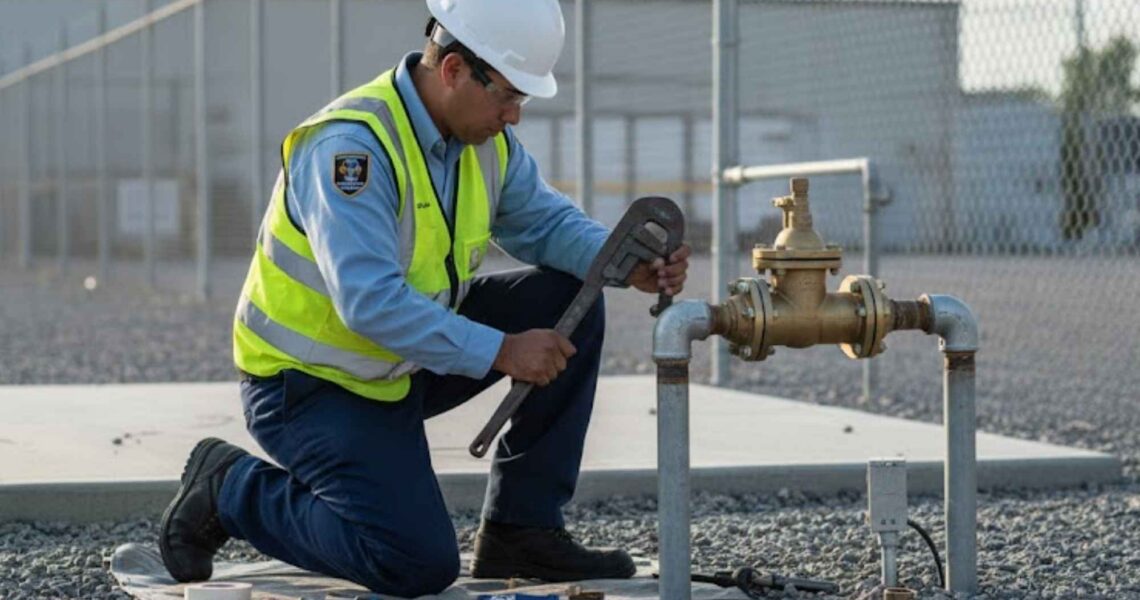
All State Plumbing Pros uses professional tools and follows manufacturer and code guidelines to ensure every preventer installation protects the water system and passes inspection.
How Long Does Backflow Preventer Installation Take
Most backflow preventer installations are completed within a few hours. The timeline depends on whether the project involves new installations or the replacement of an existing unit, as well as device type and plumbing accessibility.
Replacing a unit is often faster because fittings and shutoff valves are already in place. New installations may take longer if additional piping, drainage, or wall or floor penetration is required. Weather, permit approvals, and system complexity can also affect the project schedule.
An experienced plumber plans the job carefully to minimize downtime and ensure water service is restored safely.
Backflow Preventer Installation Cost Factors
The cost of backflow preventer installation varies based on project scope rather than a flat rate. Several elements influence pricing, especially when commercial systems or high-risk assemblies are involved.
Key cost factors include:
- Type of backflow preventer or assembly
- Pipe size, fittings, and installation location
- Need for drainage, enclosures, or freeze protection
- Permits, inspection, and testing requirements
- Replacement versus first-time installation
Higher-risk units, such as reduced-pressure backflow assemblies, generally require more labor and equipment. A professional evaluation helps clarify costs and avoid unexpected issues during installation.
Residential vs Commercial Backflow Preventer Installation
Residential and commercial installations differ significantly in complexity and oversight. Homes typically require simpler devices for irrigation or auxiliary water connections, while businesses may need multiple assemblies to protect different water sources.
Commercial properties such as restaurants, medical facilities, and multi-unit buildings face stricter inspection standards and documentation requirements. These systems may include double-check detector assemblies, pressure-regulated devices, or multiple shutoff points that require careful coordination.
In communities like Danbury, New Milford, Ridgefield, Wilton, and Westchester County, local codes can vary. Working with a local plumbing company familiar with these differences helps avoid delays and compliance issues.
Testing, Certification, and Documentation After Installation
After installation, most backflow preventers must be tested to confirm proper operation. Certified technicians perform pressure and flow testing to verify that check valves and relief components respond correctly.
Once testing is complete, certification and inspection documentation are prepared and submitted to the appropriate authority. This paperwork confirms that the device protects the water supply and meets code. Many systems also require annual testing to maintain compliance.
All State Plumbing Pros manages installation, testing, and documentation together, simplifying the process for property owners and maintenance personnel.
Why Hiring a Licensed Local Plumber Matters
Backflow preventer installation requires professional knowledge, approved tools, and familiarity with local regulations. Licensed plumbers understand system pressure requirements, device specifications, and installation standards that affect approval.
Local professionals are also aware of regional conditions, such as freezing temperatures or drainage limitations, that can affect long-term performance. If leaks, flooding, or valve issues occur later, having a trusted local team available for repair or emergency service adds critical protection.
All State Plumbing Pros provides licensed installation services across Connecticut and New York, including emergency support when unexpected plumbing issues arise.
Schedule Backflow Preventer Installation With Confidence
Proper backflow preventer installation protects drinking water, reduces contamination risk, and supports long-term plumbing safety. Whether you are planning a new installation, replacing an outdated unit, or bringing a system into compliance, professional installation ensures the job is done right.
All State Plumbing Pros offers dependable backflow preventer installation throughout Fairfield County, CT, and Westchester County, NY. Our licensed team handles evaluation, installation, testing, inspection coordination, and documentation so property owners can move forward with confidence.
Conclusion
Backflow preventer installation plays an essential role in protecting drinking water, maintaining plumbing system safety, and meeting local compliance requirements. By understanding how backflow occurs, when installation is required, and how different devices function, property owners can make informed decisions that reduce contamination risk and prevent costly issues down the line. Proper installation, testing, and ongoing maintenance help ensure the system continues to function as intended, safeguarding both public health and the long-term reliability of the water supply.
If backflow prevention requirements, inspection notices, or concerns about water contamination are affecting your home or commercial property, don’t wait for a compliance issue or system failure to occur. All State Plumbing Pros provides professional backflow preventer installation across Connecticut and New York, helping property owners protect their drinking water and meet local code requirements with confidence. From selecting the right device to proper installation, testing, and documentation, our licensed plumbers deliver reliable, code-compliant service designed to safeguard your water supply and prevent costly problems. Contact us today to schedule backflow preventer installation you can depend on.
FAQs
How much does a backflow preventer cost in the US?
The cost of a backflow preventer depends on the device type and its intended use. Residential units for irrigation systems are typically less expensive, while commercial-grade assemblies such as RPZ units cost more due to higher risk and added components. Installation, testing, and certification also affect the total cost.
How much is it to install a backflow valve?
Installation costs vary based on device type, pipe size, accessibility, and whether the project involves replacement or a new installation. Additional factors such as permits, drainage requirements, and inspection fees can influence pricing. A licensed plumber can provide an accurate estimate after evaluating the system.
How is a backflow preventer installed?
A backflow preventer is installed by shutting off the water supply, fitting the device into the plumbing line, and securing it with proper shutoff valves and supports. The plumber restores water flow, checks for leaks or discharge, and performs testing to ensure the unit functions correctly. Certification paperwork is then completed as required.
Do I need to install a backflow preventer?
You may need to install a backflow preventer if your plumbing system creates a contamination risk or if local regulations require one. Irrigation systems, commercial kitchens, fire suppression lines, and auxiliary water sources commonly trigger installation requirements. A licensed plumber can confirm whether your property needs a device and which type is appropriate.
Backflow Testing Services Near Me: Certified Local Plumbers
If you’re searching for backflow testing services near me, you’re likely responding to a notice from your local water authority, managing a commercial property, or trying to protect your home’s drinking water from contamination. Backflow testing is a mandatory safety process that helps prevent dirty water from flowing backward into the clean water supply through a plumbing system. (more…)